
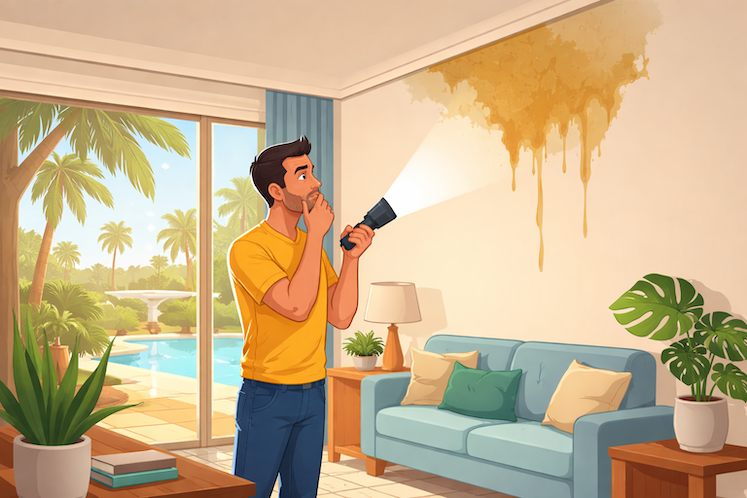
Water stains on walls are easy to ignore at first. A faint yellow mark near the ceiling or a brown streak creeping down drywall may not seem urgent, especially in a busy Miami household. But wall stains usually mean moisture is getting where it should not, and in South Florida’s heat and humidity, that can turn into a much bigger problem fast.
For Miami homeowners, water stains often point to plumbing leaks, roof issues, AC condensation problems, or hidden moisture trapped behind walls. Left alone, those stains can lead to mold growth, damaged drywall, peeling paint, warped framing, and higher repair costs. The good news is that early action can protect your home and help you fix the real source before it spreads.
Why water stains on walls should never be ignored
A water stain is rarely just a cosmetic issue. It is a warning sign that moisture has already made its way into your wall system. By the time you can see discoloration, water has usually been present for longer than most homeowners realize.
In Miami, that matters even more. Humidity can keep damp materials from drying properly, which creates the perfect environment for mold and mildew. Even a slow leak can stay active behind the wall for weeks before the damage becomes obvious.
That is why the right response is not to repaint over the mark or hope it dries out on its own. The stain needs to be treated like evidence. It tells you something is leaking, sweating, or seeping, and finding the source is the first priority.
What water stains usually look like
Wall stains are not always dramatic. Sometimes they start as subtle discoloration that is easy to dismiss.
Common signs include:
- Yellow, tan, or brown patches
- Bubbling or peeling paint
- Soft or swollen drywall
- Musty odors near the stained area
- Warped baseboards or trim
- Small cracks around damp spots
Some stains also appear after heavy rain, while others slowly expand over time. If the stain keeps getting darker, wider, or softer to the touch, the moisture source is likely still active.
The most common causes of wall stains in Miami homes
Miami homes deal with a mix of plumbing stress, weather exposure, and high indoor humidity. That means the source of a water stain is not always obvious.
Hidden plumbing leaks
One of the most common causes is a pipe leak behind the wall. This could come from a supply line, drain line, or a loose plumbing connection near a bathroom, kitchen, laundry room, or water heater.
Older homes may also have aging pipes that corrode over time. If you are weighing whether patching is enough or whether a bigger fix makes more sense, understanding pipe replacement warning signs can help you decide before recurring leaks cause even more wall damage.
Roof leaks after storms
Heavy rain and wind-driven water are part of life in Miami. If the stain is near the ceiling or along an exterior wall, your roof may be the culprit. Water can enter through damaged flashing, cracked tiles, clogged gutters, or worn roof penetrations and then travel along framing before showing up somewhere else indoors.
Air conditioning condensation
AC systems work hard in South Florida. A clogged condensate drain line, damaged drain pan, or poor insulation around ducts can introduce moisture into walls and ceilings. These issues are especially common near air handlers, utility closets, and upper-wall areas.
Bathroom and shower seepage
Bathrooms create constant moisture. Failed caulking, cracked grout, shower pan leaks, or plumbing behind the vanity can all produce staining on nearby walls. Sometimes the stain appears on the opposite side of the bathroom wall, which makes the source easy to miss.
Drain backups and clogs
A blocked drain can sometimes force water where it does not belong. If the stain appeared after slow drainage, overflow, or repeated backups, the issue may be connected to your drain system. In that case, it helps to know the difference between a quick DIY fix and a problem that needs a professional, especially when dealing with stubborn drain backup issues that can keep returning.
Septic or sewer line issues
In some South Florida properties, older waste systems or transitions between septic and sewer service can create moisture and drainage complications. If staining is accompanied by foul odors, slow drains, or soggy areas outside, the wall damage may be part of a broader issue. For homes dealing with aging infrastructure, a sewer conversion process may eventually become part of the long-term solution.
What Miami homeowners should do first
When you spot a water stain, the first few steps matter. Acting quickly can limit damage and make it easier to identify where the moisture is coming from.
1. Do not paint over it
Painting over a water stain does not solve anything. It only hides the evidence for a while. If the moisture source is still active, the stain will come back, often worse than before.
2. Check whether the area feels damp
Gently touch the wall if it appears safe to do so. If the drywall feels soft, cool, swollen, or damp, water may still be present. Avoid pressing too hard, since wet drywall can crumble.
3. Look for the nearest likely source
Check what is on the other side of the wall or directly above it. Is there a bathroom, kitchen, laundry area, AC unit, or roof section nearby? The location can offer important clues.
4. Watch for active changes
Take a photo and keep track of whether the stain grows after rain, after shower use, or while running appliances. A stain pattern can help narrow down the cause.
5. Shut off water if needed
If you suspect a plumbing leak and the stain is worsening quickly, shutting off the home’s water supply may prevent further damage until the issue is assessed.
How to tell if the problem is urgent
Some wall stains can wait a day for inspection. Others need immediate attention.
A water stain is more urgent if:
- It is growing quickly
- The wall or ceiling is bulging
- There is visible mold
- You smell sewage or strong mildew
- Electrical outlets or switches are nearby
- Water is actively dripping
- The drywall feels very soft or unstable
If any of those signs are present, it is best to treat the issue as active water damage, not a minor cosmetic repair.
Why mold risk is higher in Miami homes
Miami’s climate makes moisture problems harder to contain. Even when a leak seems small, the combination of heat and humidity can keep wall cavities damp long enough for mold to develop.
That risk increases when homeowners wait too long to investigate. Drywall paper, wood studs, insulation, and dust inside walls can all support mold growth when moisture lingers. Once that happens, the job may require more than a simple plumbing repair. It can involve drywall removal, containment, drying equipment, and remediation.
That is why the goal is not just to stop visible water. It is to fully identify the cause, dry the affected materials, and make sure moisture is no longer trapped behind the surface.
Can you fix a water-stained wall yourself?
In some cases, part of the cleanup can be handled after the source is repaired. But the repair process depends on what caused the stain in the first place.
When a DIY response may be reasonable
You may be able to handle the cosmetic side yourself if:
- The leak source has already been fixed
- The wall is completely dry
- The stain is small and isolated
- There is no mold, odor, or softness
- The drywall is still structurally sound
In that situation, homeowners sometimes use stain-blocking primer and repaint the area after confirming it is fully dry.
When professional help is the smarter move
A professional inspection is the better call if:
- The source is hidden
- The stain keeps returning
- You suspect pipe damage
- Mold may be present
- The affected area is large
- The stain is near electrical wiring
- The wall feels weak or swollen
With hidden leaks, the expensive mistake is not calling too soon. It is waiting until the damage spreads into insulation, cabinets, flooring, or framing.
What a plumber will usually check
When the source appears plumbing-related, a plumber will typically start by tracing the location of the stain against the layout of your home. From there, they may inspect supply lines, drain lines, nearby fixtures, shutoff valves, and any appliances connected to water.
Depending on the situation, they may also check for:
- Slow pinhole leaks
- Failed fittings inside the wall
- Drain pipe seepage
- Toilet seal leaks
- Shower valve leaks
- Water heater line issues
- Pressure-related pipe stress
A thorough inspection matters because water does not always stain the wall directly next to the leak. It can travel along framing or drip from one level to another before becoming visible.
How to prevent future wall stains
Once the immediate issue is fixed, prevention becomes the next step. Miami homeowners can reduce the chance of repeat problems by staying ahead of both plumbing wear and moisture buildup.
Inspect high-risk areas regularly
Pay extra attention to bathrooms, kitchens, laundry rooms, utility closets, and walls below rooflines. These areas are more likely to develop hidden leaks.
Address slow drains early
Repeated clogs and backups can create pressure and overflow risks. Drain issues may seem separate from wall stains, but they often point to a larger plumbing concern.
Keep your roof and flashing in good shape
After major storms, inspect for roof damage or have it professionally checked. Small roof failures often lead to interior staining long before homeowners spot the entry point outside.
Service your air conditioning system
Routine AC maintenance can prevent condensate line blockages and moisture issues around air handlers and ductwork.
Replace aging plumbing before it fails
If your home has older piping, recurring leaks may be a sign that spot repairs are no longer enough. Proactive replacement often costs less than repeated water damage restoration.
The cost of waiting too long
Many homeowners delay action because the stain seems small. But wall stains are one of those home issues that tend to get more expensive with time, not less.
A minor leak caught early might only require a targeted plumbing repair and drywall patch. Wait too long, and the same issue could involve mold treatment, framing repairs, cabinet replacement, flooring damage, or a larger repipe project.
There is also the hidden cost of uncertainty. When moisture is left unaddressed, homeowners often keep repainting, cleaning, or patching symptoms while the real cause continues behind the wall.
The best next step for Miami homeowners
If you have water stains on your walls, the smartest move is to treat the stain as a symptom, not the problem itself. The goal is to identify where the water is coming from, stop it at the source, and make sure the wall is dry and safe before any cosmetic repair begins.
In Miami, where humidity and storms can make moisture damage worse in a hurry, fast action protects both your home and your budget. Whether the issue comes from a hidden pipe leak, a clogged drain, roof intrusion, or a larger plumbing concern, getting the right diagnosis early can save you from a much bigger repair later.
When you are ready to have the issue properly assessed, trusted plumbing service is the most reliable way to stop the leak, protect your walls, and move forward with confidence.