Switching from a septic system to a municipal sewer line is a major upgrade for many homeowners in Homestead. Whether you’re dealing with frequent maintenance, planning a property upgrade, or simply looking for a more reliable wastewater solution, understanding the process can save you time, money, and stress.
This guide breaks down everything you need to know about septic to sewer conversion in Homestead—how it works, why it matters, and what to expect along the way.
Why Homeowners Are Switching to Sewer Systems
Septic systems can work well for years, but they’re not always ideal for growing households or aging properties. Over time, they require regular maintenance and can become less efficient.
A sewer connection offers a more hands-off solution. Once connected, wastewater is managed by the municipal system, reducing your responsibility for upkeep.
Key Benefits of Converting
- Lower long-term maintenance
No more pumping or ongoing inspections required for a septic tank. - Improved property value
Homes connected to sewer systems are often more appealing to buyers. - Reduced environmental risk
Sewer systems are designed to handle waste more efficiently and safely. - Better reliability
You won’t have to worry about system failures or drainage field issues.
How the Conversion Process Works
Understanding the process helps you plan better and avoid surprises.
Step 1: Site Evaluation
A professional plumber or contractor will assess your property to determine feasibility. This includes checking your existing plumbing layout and proximity to sewer lines.
If you’re already buying a home in homestead, this step becomes even more important. It ensures you’re not inheriting hidden plumbing issues.
Step 2: Permits and Approvals
Local authorities require permits before work begins. This ensures compliance with safety and environmental regulations.
Step 3: Disconnecting the Septic System
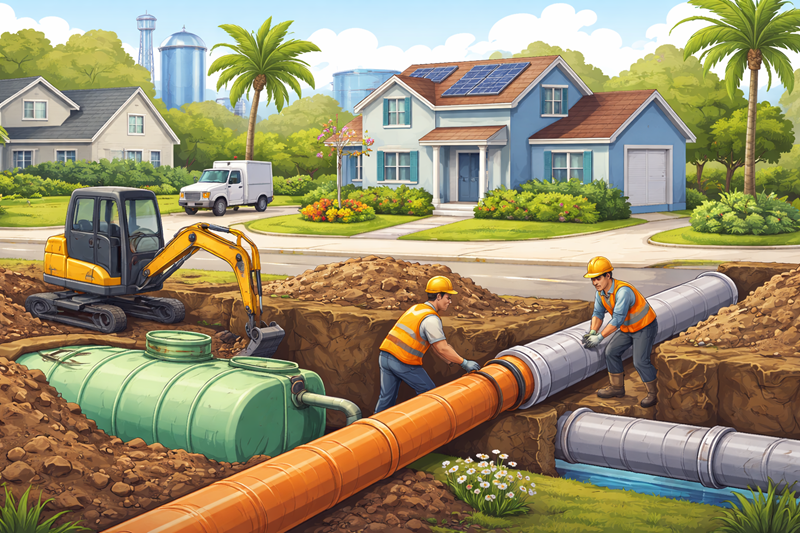
Your existing septic tank is either removed or properly abandoned. This step must be handled carefully to avoid contamination.
If your system is already failing, you might have dealt with issues like leaks or backups requiring septic tank repair in the past.
Step 4: Installing Sewer Lines
New pipes are installed to connect your home’s plumbing to the municipal sewer system.
Step 5: Final Inspection
Once installed, inspectors verify that everything meets code requirements before approving the connection.
What Does It Cost?
The septic to sewer conversion cost can vary based on several factors:
- Distance to the nearest sewer line
- Property size and layout
- Soil conditions
- Permit and inspection fees
On average, homeowners can expect a moderate to significant investment. However, many find that the long-term savings on maintenance and repairs make it worthwhile.
If you’re in Florida specifically, the septic to sewer conversion florida programs in some areas may offer incentives or financial assistance, depending on local policies.
Signs It’s Time to Convert
Not every homeowner plans a conversion—it often becomes necessary due to ongoing issues.
Frequent Drain Problems
If you’re dealing with slow or blocked drains, your septic system might be struggling to keep up.
Persistent Odors
A common red flag is why your bathroom smells like sewer. This can indicate deeper issues within your septic system.
System Age
Older septic systems are more prone to failure and may not meet modern standards.
Property Upgrades
Adding bathrooms or expanding your home can put extra strain on a septic system, making conversion a smarter choice.
Is Conversion Right for Your Home?
A residential septic to sewer conversion isn’t a one-size-fits-all solution. It depends on your property, budget, and long-term goals.
When It Makes Sense
- Your septic system requires frequent repairs
- You plan to sell your home in the near future
- Sewer lines are easily accessible
- You want a low-maintenance wastewater solution
When You Might Wait
- Your septic system is relatively new
- Connection costs are unusually high
- Sewer access is limited in your area
Common Challenges (and How to Handle Them)
Every home is different, so it’s normal to encounter a few challenges during the process.
Limited Access to Sewer Lines
If your property is far from the main sewer connection, installation becomes more complex.
Permit Delays
Working with experienced professionals can help speed up approvals and avoid paperwork issues.
Unexpected Repairs
Sometimes, underlying plumbing issues are discovered during the process. Having access to reliable emergency plumbing services ensures problems are handled quickly without delaying your project.
How to Choose the Right Plumbing Professional
The success of your conversion depends heavily on who you hire.
Look for Experience
Choose professionals who have handled similar projects in Homestead. Local expertise matters.
Verify Licensing and Insurance
Always confirm credentials to ensure compliance with local regulations.
Ask About Timeline
A clear project timeline helps you plan better and avoid unnecessary disruptions.
Get Transparent Pricing
A detailed estimate prevents surprises later on.
Maintenance After Conversion
One of the biggest advantages of switching to a sewer system is reduced maintenance—but that doesn’t mean zero care.
Smart Habits to Follow
- Avoid flushing non-biodegradable items
- Schedule occasional plumbing inspections
- Be mindful of grease and food waste
These simple habits keep your plumbing system running efficiently for years.
Environmental Impact of Sewer Systems
Switching to a sewer system isn’t just convenient—it’s also environmentally responsible.
Septic systems can leak or overflow, potentially contaminating groundwater. Sewer systems, on the other hand, treat wastewater at centralized facilities, reducing environmental risks.
This makes conversion a practical step toward more sustainable living.
Final Thoughts
Making the switch from septic to sewer is a significant decision, but for many Homestead homeowners, it’s a worthwhile investment.
From improved reliability to increased property value, the benefits often outweigh the upfront costs. With the right planning and professional support, the process can be smooth and stress-free.
If your current system is showing signs of trouble or you’re planning a long-term upgrade, now might be the right time to consider making the change.