Pipes are one of the most overlooked parts of any home—until something goes wrong. A small leak, a drop in water pressure, or a strange discoloration in your water can quickly raise a bigger question: should you repair the problem or replace your pipes entirely?
This is a common concern for homeowners dealing with aging plumbing systems. The decision isn’t always straightforward, but making the right call can save you from recurring repairs, costly damage, and long-term headaches.
In this guide, we’ll break down when a simple repair makes sense, when pipe replacement is the smarter investment, and how to spot the warning signs early.
Understanding the Difference Between Pipe Repair and Replacement
Before deciding what to do, it’s important to understand what each option involves.
What Pipe Repair Means
Pipe repair focuses on fixing a specific issue without replacing the entire system. This could include:
- Sealing small leaks
- Replacing a short damaged section
- Fixing joints or fittings
- Clearing localized corrosion
Repairs are typically faster and less expensive upfront, making them ideal for isolated problems.
What Pipe Replacement Involves
Pipe replacement is a more comprehensive solution. It means removing old or damaged pipes and installing new ones.
This is often necessary when:
- Pipes are severely corroded
- Multiple leaks are present
- The plumbing system is outdated
While the initial cost is higher, replacement often eliminates recurring issues and improves overall system performance.
Key Signs Your Pipes Need Attention
Knowing when something is wrong is the first step toward making the right decision.
Frequent Leaks
If you’re dealing with repeated leaks, it’s a sign your plumbing system is deteriorating. Repairing one section may not stop problems from appearing elsewhere.
If leaks are becoming a regular issue, it’s worth reviewing what to do when pipes start leaking to understand the next steps and risks involved.
Discolored or Rusty Water
Brown or yellow water often points to internal corrosion. This doesn’t just affect water quality—it’s a clear indicator your pipes may be breaking down from the inside.
Low Water Pressure
A sudden drop in water pressure can be caused by buildup, leaks, or narrowing pipes. While minor issues can be repaired, widespread pressure problems often suggest deeper system damage.
Unusual Noises in Pipes
Banging, rattling, or whistling sounds may indicate structural issues or pressure problems within your plumbing system.
Visible Corrosion or Damage
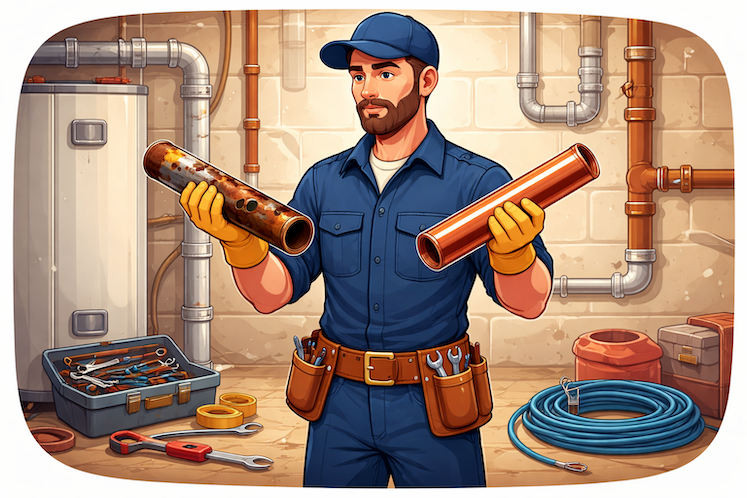
If you can see rust, flaking, or discoloration on exposed pipes, there’s a good chance the internal condition is worse.
In cases like these, a corroded pipe replacement is often the safer long-term option.
When Pipe Repair Is the Right Choice
Not every plumbing issue requires a full replacement. In many cases, repairs are sufficient and cost-effective.
The Problem Is Isolated
If only one section of pipe is damaged, repairing that area can resolve the issue without affecting the rest of the system.
Pipes Are Relatively New
Modern plumbing systems made from materials like PVC or PEX are more durable and less prone to corrosion. If your pipes are newer, a repair is usually the best option.
No History of Recurring Issues
If this is your first plumbing issue and everything else is working fine, there’s no need to replace the entire system.
Damage Is Minor
Small leaks, loose fittings, or minor blockages can typically be fixed quickly without major work.
When It’s Time to Replace Your Pipes
There comes a point where repairs are no longer practical. Continuing to fix individual problems can cost more in the long run.
Multiple Leaks Across the System
When leaks appear in different areas, it’s a strong indication that your pipes are aging and failing throughout the system.
Pipes Are Old or Outdated
Older materials like galvanized steel or polybutylene are more prone to corrosion and failure.
If your home still uses these materials, replacement is often the safest choice.
Severe Corrosion or Buildup
Corrosion weakens pipes from the inside, making them more likely to crack or burst. Once corrosion reaches a certain level, repairs won’t hold.
Water Quality Issues
If your water smells bad, tastes unusual, or appears discolored, your pipes may be affecting your water supply.
High Repair Costs Over Time
If you’ve already spent a significant amount on repairs, it may be more cost-effective to invest in a full replacement.
How Professionals Determine the Best Solution
Choosing between repair and replacement often requires a detailed inspection.
One of the most effective methods is a camera inspection, which allows plumbers to see inside your pipes without tearing into walls or floors.
This approach is explained in more detail in this overview of camera pipe inspection services, which helps identify hidden damage and pinpoint problem areas.
With accurate diagnostics, you can make a confident, informed decision.
The Risks of Delaying Pipe Replacement
Putting off pipe replacement might seem like a way to save money, but it often leads to bigger problems.
Water Damage
Leaking pipes can damage walls, floors, and ceilings, leading to costly repairs.
Mold and Mildew Growth
Moisture from leaks creates the perfect environment for mold, which can affect both your home and your health.
Structural Damage
Over time, water damage can weaken your home’s structure, especially if leaks go unnoticed.
Higher Utility Bills
Leaks and inefficiencies can increase your water usage, leading to higher monthly bills.
Cost Considerations: Repair vs Replacement
Cost is often the deciding factor, but it’s important to look beyond the initial expense.
Short-Term vs Long-Term Value
- Repairs are cheaper upfront but may need to be repeated
- Replacement costs more initially but reduces future expenses
Hidden Costs of Repeated Repairs
Frequent service calls, water damage repairs, and rising utility bills can quickly add up.
Increased Home Value
Upgrading your plumbing system can improve your home’s value and appeal to potential buyers.
Preventing Future Pipe Problems
Whether you choose repair or replacement, prevention plays a key role in maintaining your plumbing system.
Schedule Regular Inspections
Routine inspections help catch small issues before they become major problems.
Monitor Water Pressure
High pressure can strain pipes and lead to leaks.
Address Issues Early
Don’t ignore warning signs. Acting early can save you time and money.
Use Quality Materials
If you’re replacing pipes, invest in durable materials that are built to last.
When to Call a Professional
If you’re unsure whether your pipes need repair or replacement, it’s best to consult a professional.
An experienced plumber can assess your system, identify hidden issues, and recommend the most effective solution.
If you’re dealing with leaks, water pressure issues, or signs of pipe damage, the safest step is to schedule a professional leak detection service to pinpoint the problem and prevent further damage.
Final Thoughts
Deciding between pipe repair and replacement isn’t always easy, but it comes down to the condition of your plumbing system and the severity of the problem.
Minor, isolated issues can often be repaired quickly and affordably. However, if your pipes are aging, corroded, or causing recurring problems, replacement is usually the smarter long-term investment.
The key is to act early, stay informed, and work with a professional who can guide you toward the right solution for your home.