A clogged drain is one of those problems that starts small but can quickly turn into a major headache. Whether it’s a slow-draining sink, a backed-up shower, or a toilet that won’t flush properly, the issue rarely fixes itself. The good news is that many minor clogs can be handled with simple, practical methods. The challenge is knowing when a DIY fix is enough—and when it’s time to bring in a professional.
In this guide, you’ll learn how to unclog a drain safely and effectively, what causes most blockages, and the warning signs that mean you should stop troubleshooting and call an expert.
What Causes Most Drain Clogs?
Before jumping into solutions, it helps to understand what’s actually blocking your pipes. Most clogs don’t happen overnight—they build up gradually.
Common Culprits Behind Drain Blockages
- Grease and oil buildup from cooking
- Hair accumulation in bathroom drains
- Soap residue and mineral deposits
- Food scraps and debris
- Foreign objects accidentally flushed or washed down
If you want a deeper breakdown of what leads to recurring plumbing issues. Understanding the cause makes it easier to choose the right solution—and avoid making the clog worse.
Signs Your Drain Is Clogged
Not all clogs are obvious right away. Some develop slowly and give off subtle warning signs.
Early Warning Signs to Watch For
- Water draining slower than usual
- Gurgling sounds coming from pipes
- Unpleasant odors from the drain
- Water backing up in sinks or tubs
Ignoring these signs can allow the blockage to grow deeper in your plumbing system, making it harder—and more expensive—to fix later.
How to Unclog a Drain Yourself
If the clog is minor, there are several proven methods you can try at home. The key is to start simple and work your way up without damaging your pipes.
Method 1 – Boiling Water
This is the easiest place to start.
Boiling water works well for grease and soap buildup, especially in kitchen sinks. Carefully pour hot water down the drain in stages, allowing it to break down residue.
Best for: Light clogs caused by grease or soap
Avoid if: You have PVC pipes that can be damaged by high heat
Method 2 – Baking Soda and Vinegar
This natural method creates a chemical reaction that can loosen debris.
Steps:
- Pour half a cup of baking soda into the drain
- Follow with one cup of vinegar
- Cover the drain and let it sit for 10–15 minutes
- Flush with hot water
This method is effective for mild buildup and is safe for most plumbing systems.
Method 3 – Plunger
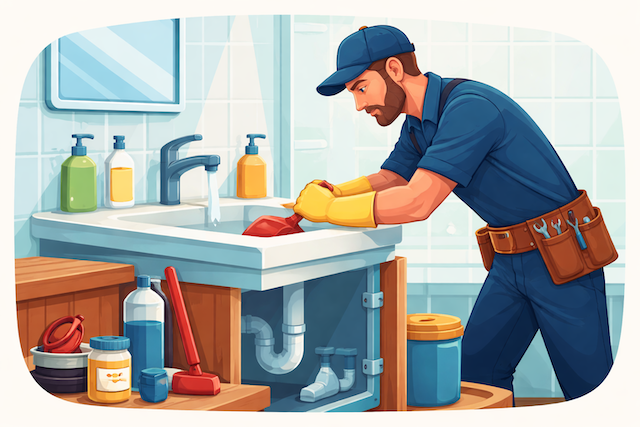
A plunger is one of the most reliable tools for clearing clogs.
Make sure you create a tight seal over the drain and use firm, controlled plunges. This pressure helps dislodge blockages.
Best for:
- Sink clogs
- Toilet blockages
- Shower drains
Method 4 – Drain Snake or Auger
For tougher clogs, a drain snake can reach deeper into the pipe.
Insert the tool into the drain and rotate it to break up or pull out debris. This is especially effective for hair clogs in bathroom drains.
Tip: Be gentle to avoid damaging pipes.
Method 5 – Remove and Clean the P-Trap
If your sink clog isn’t clearing, the blockage might be in the P-trap (the curved pipe under the sink).
Place a bucket underneath, unscrew the pipe, and remove any debris inside. Reassemble it carefully once cleaned.
When DIY Methods Aren’t Enough
DIY solutions can handle many minor clogs, but they have limits. Some blockages go deeper into your plumbing system and require specialized tools and expertise.
Warning Signs You Need Professional Help
- Water keeps backing up after multiple attempts
- Multiple drains are clogged at the same time
- You hear loud gurgling sounds in pipes
- There’s a persistent foul odor
- The clog returns frequently
If you’re dealing with these issues, it’s likely that the blockage is beyond reach—or part of a larger plumbing problem.
Why Some Clogs Keep Coming Back
Recurring clogs are a sign that the root issue hasn’t been resolved.
In many South Florida homes, factors like humidity, older plumbing systems, and environmental conditions contribute to repeated blockages.
Professional inspection can identify deeper problems such as:
- Pipe damage
- Tree root intrusion
- Severe buildup inside pipes
The Risks of Waiting Too Long
Delaying professional help can turn a simple clog into a major plumbing emergency.
What Can Go Wrong
- Pipe damage or bursting
- Water damage to your home
- Mold and mildew growth
- Higher repair costs
What starts as a slow drain can escalate into a full system backup if left untreated.
Professional Drain Cleaning: What to Expect
When you call a professional, the approach is very different from DIY methods.
How Experts Handle Clogs
- Camera inspections to locate the blockage
- Hydro jetting to clear tough buildup
- Advanced augers for deep clogs
- Safe, non-damaging techniques
Professionals don’t just remove the clog—they identify the cause and help prevent it from coming back.
DIY vs Professional: Making the Right Choice
Knowing when to stop trying DIY fixes is just as important as knowing how to unclog a drain.
DIY Is Best When:
- The clog is minor
- It’s limited to one drain
- There’s no recurring issue
Call a Professional When:
- The clog won’t clear
- Multiple drains are affected
- You suspect deeper plumbing issues
Trying too many DIY methods can sometimes worsen the problem, especially if chemical cleaners are involved.
Why Avoid Chemical Drain Cleaners
It’s tempting to reach for a store-bought drain cleaner, but these products can do more harm than good.
The Downsides
- Corrosive chemicals can damage pipes
- They often don’t fully remove the clog
- They can be hazardous to your health
Professional methods are safer, more effective, and designed to protect your plumbing system long-term.
Preventing Future Drain Clogs
The best way to deal with clogs is to prevent them in the first place.
Simple Habits That Make a Big Difference
- Avoid pouring grease down the sink
- Use drain covers to catch hair
- Run hot water after using the sink
- Dispose of food waste properly
- Schedule routine maintenance
Consistent maintenance reduces the risk of major blockages and extends the life of your plumbing system.
When It’s Time to Call a Pro
If your drain problem is taking too much time, effort, or guesswork, it’s usually a sign you need expert help.
Professional plumbers have the tools and experience to handle even the toughest clogs quickly and safely. More importantly, they address the underlying issue so it doesn’t keep coming back.
If you’re dealing with a stubborn or recurring clog, the most reliable solution is to book an appointment for professional clog removal and get the problem resolved properly the first time.
Final Thoughts
Clogged drains are a common issue, but they don’t have to disrupt your home or routine. With the right approach, you can handle minor blockages yourself and recognize when it’s time to call in a professional.
The key is not to ignore the warning signs. Acting early can save you time, money, and stress—and keep your plumbing system running smoothly.