A leaking sink pipe can quickly turn into a frustrating problem for Miami homeowners. What starts as a few drops under the cabinet can lead to water damage, mold growth, unpleasant odors, and higher utility bills if ignored for too long. With Miami’s humid climate and aging plumbing systems in many homes, sink pipe leaks are more common than most people realize.
Whether the leak is coming from the drainpipe, P-trap, supply line, or connection joints, knowing what causes the issue — and how to fix it properly — can save you time and money. In this guide, we’ll break down the most common reasons sink pipes leak in Miami homes, how to troubleshoot the issue, and when it’s time to call a professional plumber.
Why Sink Pipes Leak in Miami Homes
Sink pipe leaks can happen for several reasons, but Miami homeowners often face additional challenges due to moisture, corrosion, and frequent plumbing usage. Some leaks develop slowly over time, while others appear suddenly after pipe damage or loose fittings.
Here are the most common causes.
Corroded Pipes
Older metal pipes can corrode internally and externally over the years. Once corrosion weakens the pipe walls, small cracks or holes begin forming, causing water to drip beneath the sink.
This issue is especially common in older homes where galvanized steel pipes are still in use.
Loose Pipe Connections
The constant vibration from water flow and daily usage can slowly loosen pipe fittings. Even a slightly loose connection near the P-trap or drain assembly can create noticeable leaks.
If your cabinet floor feels damp after running water, checking these fittings should be your first step.
Clogged Drain Lines
Severe clogs increase pressure inside the drainpipe system. Over time, that pressure can weaken joints and cause leaks around pipe connections.
Many homeowners rely on liquid drain cleaners for quick fixes, but harsh chemical cleaners can damage certain pipe materials and worsen leaks over time.
Worn-Out Seals and Washers
Rubber gaskets, washers, and plumber’s putty naturally wear out with age. Once seals deteriorate, water begins escaping around sink drains or pipe joints.
This is one of the easier plumbing repairs if caught early.
Excess Moisture Under the Sink
In Miami’s humid environment, condensation buildup under sinks can sometimes mimic an active pipe leak. Moisture accumulation may also accelerate pipe deterioration over time.
Knowing the difference between condensation and an actual leak is important before starting repairs.
Signs Your Sink Pipe Is Leaking
Some sink leaks are obvious, while others remain hidden for weeks before causing noticeable damage. Spotting the warning signs early helps prevent larger repairs later.
Water Stains or Cabinet Damage
Peeling cabinet material, warped wood, or discoloration beneath the sink often points to an ongoing leak.
Musty Odors
Persistent moisture creates the perfect environment for mildew and mold growth. If your kitchen or bathroom smells musty, inspect the pipes underneath the sink.
Increased Water Bills
Even a small leak can waste gallons of water every day. Unexpected spikes in your monthly water bill may signal hidden plumbing problems.
Slow Drainage
If your sink drains so slowly, there could be buildup inside the pipe system contributing to leaks or pressure problems.
Dripping Sounds
Hearing dripping beneath the sink — especially at night when the house is quiet — is usually a clear indicator of a plumbing issue.
How to Fix a Leaking Sink Pipe
The right repair depends on where the leak originates. Some minor issues can be handled with basic tools, while others require professional attention.
Step 1: Identify the Leak Source
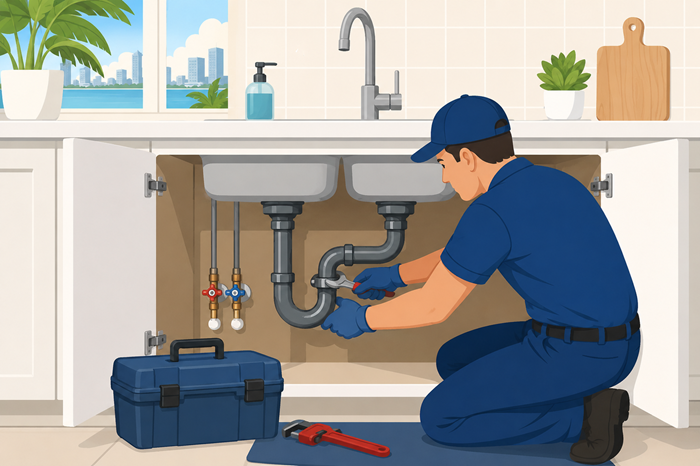
Start by emptying the cabinet beneath the sink. Dry all pipes thoroughly with a towel, then run water while inspecting each connection carefully.
Pay close attention to:
- The P-trap
- Drainpipe joints
- Water supply lines
- Sink drain flange
- Shut-off valves
Once you locate the leak, you can move forward with the appropriate repair.
Step 2: Tighten Loose Connections
If water is leaking from threaded fittings, use a wrench to tighten them gently. Avoid overtightening, as this can crack plastic pipes or damage fittings.
After tightening, run water again to check if the leak has stopped.
Step 3: Replace Damaged Washers or Gaskets
If seals appear cracked or brittle, replacing them is often enough to solve the problem.
Turn off the water supply before disassembling any pipe connections. Install new rubber washers or gaskets of the correct size, then reassemble the pipe securely.
Step 4: Repair or Replace the P-Trap
The curved pipe beneath the sink, known as the P-trap, commonly develops leaks due to clogs, corrosion, or loose connections.
Plastic P-traps are relatively inexpensive and easy to replace. If the trap is heavily damaged or cracked, replacement is usually the best option.
Step 5: Use Plumber’s Tape for Minor Joint Leaks
Thread seal tape can help stop small leaks around threaded pipe connections. Wrap the tape around the threads before reconnecting the fitting.
This is often an effective temporary fix for minor drips.
Step 6: Clear Drain Clogs Safely
Avoid pouring harsh chemicals into the drain repeatedly. Many homeowners unknowingly worsen plumbing damage by using excessive cleaners.
Learning what not to pour down your sink can help prevent future clogs and pipe deterioration.
Instead, use safer alternatives like drain snakes, plungers, or enzymatic cleaners when possible.
When DIY Repairs Aren’t Enough
While some leaks are simple to fix, others indicate deeper plumbing issues hidden behind walls or beneath flooring.
You should contact a professional plumber if:
- The leak keeps returning
- Pipes are heavily corroded
- Water damage is spreading
- Mold growth appears
- Multiple drains are affected
- You suspect hidden pipe damage
Many homeowners attempt temporary fixes only to discover larger issues later. If you suddenly find a water leak that doesn’t have an obvious source, professional leak detection becomes especially important.
Contact Now: (786) 709-0426
Preventing Future Sink Pipe Leaks
Preventive maintenance can dramatically reduce plumbing problems in Miami homes.
Inspect Pipes Regularly
Check under sinks every few months for moisture, rust, or slow drips. Catching small problems early prevents costly repairs later.
Avoid Excessive Drain Cleaner Use
Chemical cleaners may provide temporary relief, but repeated use can weaken pipes over time.
Don’t Ignore Slow Drains
Small clogs eventually become bigger plumbing issues. Address slow drainage before pressure buildup causes leaks.
Install Quality Pipe Materials
If your home still has outdated plumbing, upgrading to modern materials like PVC or PEX can improve long-term durability.
Address Minor Leaks Immediately
Even tiny drips can escalate into major repairs. If your pipes start leaking at home, acting quickly can prevent structural damage and mold growth.
Why Miami Homeowners Should Take Plumbing Leaks Seriously
Miami’s humidity creates the perfect environment for water-related damage. A leaking sink pipe doesn’t just affect plumbing — it can also damage cabinetry, flooring, drywall, and indoor air quality.
That’s why routine maintenance and fast repairs matter so much in South Florida homes.
Many residents searching for the best plumbing in Miami often wait until a leak becomes an emergency before contacting a professional. Unfortunately, delayed repairs usually lead to higher costs and more extensive damage.
Working with a trusted plumbing company helps ensure leaks are diagnosed properly and repaired before they spread.
Professional Leak Detection Makes a Difference
Some sink pipe leaks are easy to spot, while others remain hidden behind walls or under flooring for weeks. Advanced leak detection equipment allows plumbers to locate moisture issues without unnecessary damage to your home.
Homeowners looking for affordable leak detection services Miami should prioritize companies that use modern diagnostic tools and provide transparent repair recommendations.
Accurate leak detection not only saves time but also prevents unnecessary demolition and repair costs.
Contact Now: (786) 709-0426
Choosing Reliable Plumbing Help in Miami
Not all plumbers approach leak repairs the same way. Experience, response time, and proper diagnostics all play a major role in the quality of the repair.
Whether you need emergency repairs or long-term maintenance, professional emergency plumbing services can help protect your home from serious water damage.
Choosing licensed experts for plumbing in miami ensures repairs meet local building codes while helping prevent recurring issues.
Final Thoughts
A leaking sink pipe may seem minor at first, but ignoring the issue can lead to expensive repairs and long-term damage. From loose fittings and worn seals to corrosion and clogged drains, several factors can contribute to leaks in Miami homes.
The good news is that many sink pipe leaks can be repaired quickly when identified early. Regular inspections, proper drain care, and timely repairs all play an important role in protecting your plumbing system.
If the problem persists or hidden leaks are suspected, contacting a professional plumber is often the safest and most cost-effective solution.
FAQs
How do I know if my sink pipe leak is serious?
If water damage spreads, mold appears, or the leak continues after repairs, it’s likely a serious issue.
Can I repair a leaking sink pipe myself?
Minor leaks from loose fittings or worn washers can often be fixed without professional help.
Why do sink pipes leak more in older homes?
Older pipes are more prone to corrosion, weakened seals, and joint failures.
Are chemical drain cleaners bad for pipes?
Frequent use of harsh chemical cleaners can damage certain pipe materials over time.
When should I call a plumber for a sink leak?
Call a plumber if the leak persists, worsens, or involves hidden water damage.