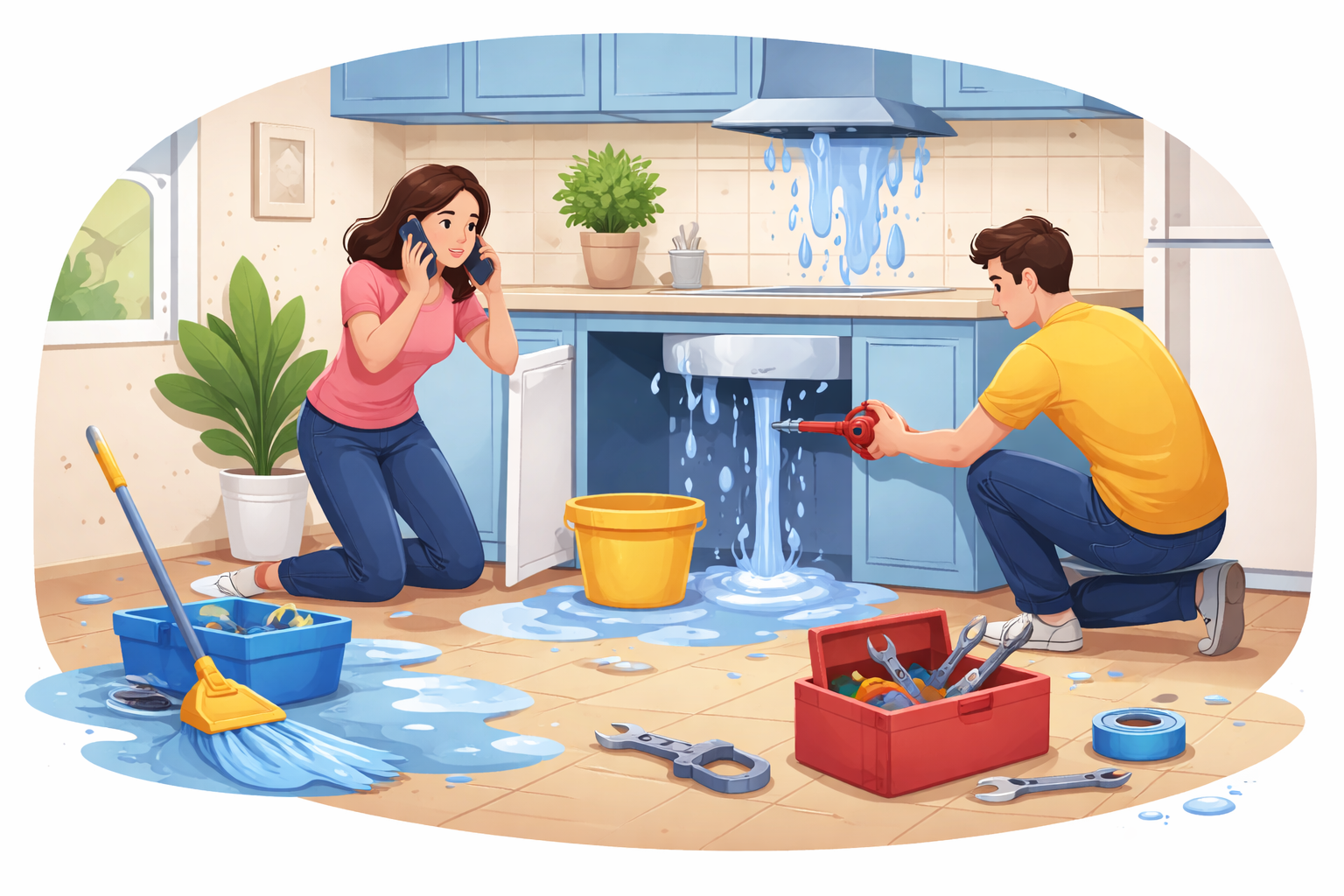
Discovering a water leak in your home can be unsettling, especially when you don’t know how serious the problem is or how fast it could escalate. What starts as a small drip can quickly turn into water damage, mold growth, or costly structural repairs if it’s ignored.
Whether you live in Homestead or anywhere in South Florida, knowing exactly what to do when a leak appears can make all the difference. This guide walks you through practical, homeowner-friendly steps to protect your property and understand when it’s time to bring in a professional.
Stay Calm and Assess the Situation
The first thing to do when you notice a water leak is slow down and assess what’s happening. Panic often leads to rushed decisions that can make the situation worse.
Look for visible signs such as dripping water, damp spots, pooling on the floor, or discoloration on walls or ceilings. Pay attention to sounds as well—running water when no fixtures are on can indicate a hidden issue.
If water is actively spreading, stopping the flow becomes the immediate priority.
Shut Off the Water Supply Immediately
Turning off the water is the single most important step in preventing further damage.
Locate the Main Shut-Off Valve
Most homes have a main water shut-off valve near the water meter, outside the house, or where the main line enters the property. Turning this valve clockwise will stop water from flowing into your home.
If the leak appears to be isolated to one fixture, such as a sink or toilet, you can shut off the local valve. When in doubt, always turn off the main supply.
Turn Off the Water Heater
After shutting off the water, turn off your water heater to prevent pressure buildup or internal damage. This is especially important if the leak involves hot water lines or the unit itself.
Leaks connected to water heaters often worsen quickly and can cause significant damage if left unchecked.
Protect Your Home and Belongings
Once the water is off, focus on minimizing interior damage.
Move furniture, electronics, rugs, and personal items away from the affected area. Use towels, buckets, or a wet/dry vacuum to remove standing water as quickly as possible.
Drying the area promptly helps prevent mold growth and reduces long-term damage to floors, cabinets, and walls.
Pinpoint leaks fast—before they cause major damage.
Call us at (786) 709-0426
Identify the Type of Water Leak
Understanding the source of the leak helps determine how serious the issue may be.
Visible Plumbing Leaks
These include dripping pipes, loose fittings, or leaking faucets. While tightening a connection may slow the leak, it rarely solves the underlying problem.
Appliance-Related Leaks
Washing machines, dishwashers, refrigerators, and hot water systems are common culprits. Worn hoses or failing connections can release large amounts of water in a short time.
If the issue involves your hot water supply, professional inspection of your water heaters system is strongly recommended to avoid repeat failures.
Hidden or Slab Leaks
Some leaks aren’t visible at all. Warning signs include unexplained increases in your water bill, damp flooring, warm spots on concrete, or the sound of water when everything is turned off.
These leaks require specialized detection equipment and should be handled by a licensed plumber.
Avoid Temporary DIY Fixes
Quick DIY fixes may seem helpful, but they often create bigger problems.
Tapes, sealants, or clamps can hide the leak without addressing the root cause. This can increase pressure elsewhere in the system and lead to additional pipe failures.
In South Florida homes, where plumbing systems face constant humidity and shifting soil, professional repairs are far more reliable than temporary solutions.
Check for Water Damage and Mold Risk
Even after the leak stops, damage may already exist.
Inspect nearby walls, ceilings, baseboards, and flooring for swelling, staining, or softness. Mold can begin developing within 24 to 48 hours if moisture remains trapped behind surfaces.
If you notice persistent dampness or musty odors, professional drying and inspection are essential.
Document the Damage
Before any repairs begin, take clear photos and videos of the affected areas. This documentation is useful for insurance purposes and helps plumbers understand the scope of the problem.
Make note of when you discovered the leak and what steps you took to stop it. Clear records make the entire repair process smoother.
Call a Licensed Plumber for Professional Repairs
Once the immediate situation is under control, it’s time to call a licensed plumber to diagnose and fix the problem correctly.
Why Professional Leak Detection Matters
Many leaks originate behind walls, under floors, or underground. Professional plumbers use advanced tools such as camera inspections and acoustic sensors to locate leaks without unnecessary demolition.
This approach saves time, reduces repair costs, and ensures the issue is fully resolved.
Same-Day and Emergency Plumbing Services
Water damage spreads fast. Delaying repairs can turn a manageable leak into a major restoration project.
Reliable plumbing services offer same-day response, upfront pricing, and repairs backed by warranty—especially important for urgent leaks or failing water heaters.
Fast, Reliable & Affordable Plumbing Solutions — Call Now for Same-Day Service
Common Causes of Water Leaks in Homes
Knowing why leaks occur can help prevent future issues.
Aging Pipes
Older plumbing systems often suffer from corrosion and weakened joints, increasing the risk of leaks.
High Water Pressure
Excessive pressure puts constant stress on pipes, fixtures, and appliances, leading to premature failure.
Poor Installation or Past Repairs
Improper installations or DIY repairs may hold temporarily but often fail without warning.
Normal Wear and Tear
Valves, hoses, and seals degrade over time. Routine inspections help catch problems early.
How to Prevent Future Water Leaks
While not all leaks are avoidable, many can be prevented with proactive maintenance.
Schedule routine plumbing inspections, replace old hoses and valves, and monitor your water bill for unexplained increases. Knowing where your shut-off valves are located can also save valuable time during an emergency.
When a Water Leak Becomes an Emergency
Leaks become emergencies when water is flooding your home, affecting electrical systems, or compromising structural integrity.
Issues involving the main water line or hot water systems should always be treated as urgent and handled by professionals immediately.
Final Thoughts
Discovering a water leak is never convenient, but knowing how to respond puts you in control. Acting quickly, avoiding risky DIY fixes, and calling a licensed plumber can prevent extensive damage and costly repairs.
If you’re unsure about the source of a leak or want peace of mind that it’s fixed properly, professional help is always the safest choice.