Water damage beneath a home’s foundation can quietly turn into one of the most expensive plumbing issues homeowners face. In areas like Cutler Bay, where shifting soil, aging pipes, and humid conditions are common, slab leaks are a growing concern for many property owners. The challenge is that these leaks often start out hidden, slowly damaging flooring, concrete, and plumbing systems before anyone notices a problem.
Understanding why slab leaks happen — and recognizing the early warning signs — can help homeowners avoid major structural repairs and unexpected utility costs. Whether you own an older property or recently noticed unusual moisture around your home, learning what to watch for could save you thousands in future repairs.
What Is a Slab Leak?
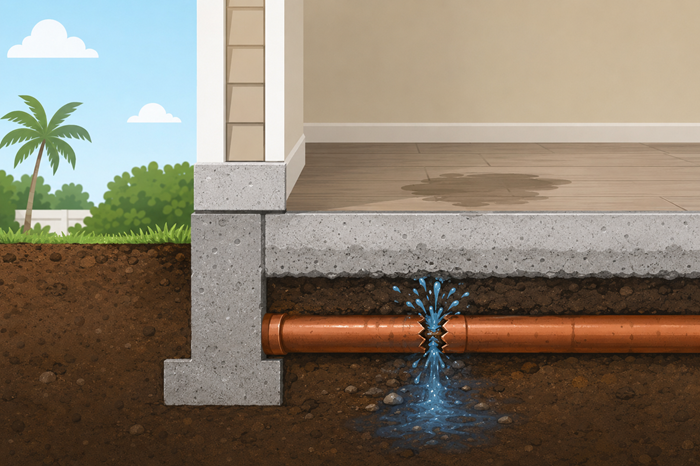
A slab leak occurs when a water pipe beneath the concrete foundation of a home begins leaking. Since the plumbing is buried under the slab, the leak remains out of sight until symptoms begin appearing inside the property.
These leaks can develop in both hot and cold water lines. In many cases, they form gradually due to pipe corrosion, shifting foundations, poor installation, or excessive water pressure.
Homes in South Florida are especially vulnerable because of the region’s climate and soil movement. Over time, even small shifts in the ground can place stress on underground pipes.
Why Slab Leaks Are Common in Cutler Bay
Cutler Bay homeowners deal with several environmental and structural conditions that increase the likelihood of underground plumbing issues.
Soil Movement and Foundation Stress
South Florida soil naturally expands and contracts depending on moisture levels. During heavy rain seasons, the ground absorbs water and shifts. During drier periods, the soil contracts again.
This repeated movement creates pressure against buried plumbing lines. Eventually, pipes can crack, weaken, or separate beneath the slab foundation.
Aging Plumbing Systems
Many homes in Cutler Bay were built decades ago using plumbing materials that deteriorate over time. Copper pipes, while durable, can corrode from long-term exposure to minerals and moisture.
As pipes age, small pinhole leaks become more common. These tiny openings may seem harmless at first but can quickly spread water underneath the foundation.
Poor Water Quality
Water chemistry also affects pipe longevity. Hard water and mineral buildup inside plumbing lines slowly wear down pipes from the inside out.
Once corrosion weakens the pipe walls, leaks begin forming beneath the concrete slab where homeowners cannot immediately detect them.
Improper Pipe Installation
In some homes, pipes were installed too tightly against the concrete or without proper protective wrapping. Over time, friction between the pipe and slab can create wear spots.
This ongoing abrasion weakens the pipe exterior and eventually causes leaking.
Early Slab Leak Symptoms Homeowners Should Never Ignore
The earlier you identify a slab leak, the easier and less expensive the repair process becomes. Unfortunately, many homeowners mistake early warning signs for normal household issues.
Here are some of the most common indicators.
Unexplained Increases in Water Bills
A sudden rise in monthly water usage often points to hidden plumbing leaks beneath the home. Even a small underground leak can waste hundreds of gallons of water over time.
If your water habits have not changed but your bill continues climbing, it may be time to investigate further.
Warm or Damp Flooring
Hot water line leaks frequently create warm spots beneath tile, hardwood, or carpeting. Some homeowners notice certain floor areas always feel damp or humid.
Moisture trapped beneath flooring materials can also create odors and mold growth.
Cracks in Walls or Flooring
When water accumulates under a foundation, it can shift portions of the slab unevenly. This movement often causes visible cracks in flooring, drywall, or baseboards.
While not every crack means plumbing trouble, new or rapidly growing cracks should never be ignored.
Mold or Mildew Odors
Persistent musty smells without a visible source may indicate moisture buildup beneath the foundation.
A hidden water leak can create ideal conditions for mold growth inside walls, flooring, and insulation long before standing water becomes visible.
Constant Sound of Running Water
If you hear water running even when all fixtures are turned off, there may be a leak somewhere within the plumbing system.
This symptom is especially common with underground slab leaks because water continuously escapes beneath the home.
How Slab Leaks Damage Your Home Over Time
Many homeowners delay repairs because the leak appears minor initially. Unfortunately, underground plumbing issues rarely stay small for long.
Foundation Damage
Continuous water flow beneath the slab weakens the soil supporting your foundation. Over time, sections of the home may settle unevenly.
Foundation repairs are significantly more expensive than addressing a leak early.
Flooring Destruction
Moisture rising through concrete can ruin hardwood flooring, loosen tiles, damage carpet padding, and warp laminate surfaces.
Water trapped beneath flooring materials also encourages mold and bacteria growth.
Structural Instability
As water spreads beneath load-bearing areas of the home, walls and support structures can shift. Doors may stop closing properly, and windows may become difficult to open.
These issues typically worsen the longer the leak continues unnoticed.
Increased Repair Costs
A small plumbing issue can eventually require extensive demolition, foundation stabilization, flooring replacement, and mold remediation.
That’s why early leak detection matters so much for homeowners throughout Cutler Bay.
Why Professional Leak Detection Matters
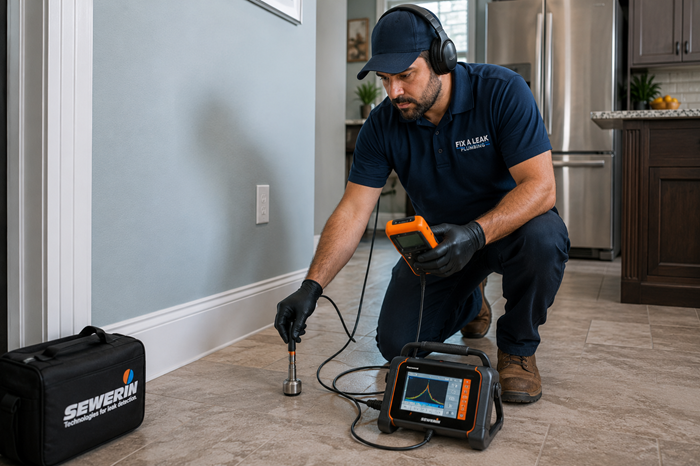
Finding the exact source of a slab leak is difficult without specialized equipment. Modern plumbers use advanced diagnostic tools that minimize unnecessary damage to flooring and foundations.
Today’s leak detection technology allows professionals to pinpoint underground leaks using acoustic listening devices, pressure testing, thermal imaging, and camera inspections.
Accurate detection helps reduce repair time while preventing unnecessary excavation.
Signs It’s Time to Call a Professional
Some plumbing issues can wait a few days. Slab leaks should not.
You should contact a plumbing specialist if you notice:
- Sudden spikes in water bills
- Moisture beneath flooring
- Cracking foundations or tiles
- Persistent mold odors
- Low water pressure
- Running water sounds behind walls or floors
Many homeowners search for slab leak detection near me after noticing only one or two of these warning signs. Acting quickly often prevents widespread structural damage.
How Slab Leak Repairs Are Typically Handled
Repair methods depend on the severity and location of the leak.
Spot Repairs
If the damaged section is isolated and accessible, plumbers may expose and repair only the affected pipe area.
This approach works best when the plumbing system is otherwise in good condition.
Pipe Rerouting
For older homes with repeated plumbing failures, rerouting water lines above ground may offer a more reliable long-term solution.
This avoids future slab penetration entirely.
Full Repiping
In severe cases involving widespread corrosion, a complete repiping project may be recommended.
Although more expensive upfront, it often prevents recurring leaks and future foundation risks.
Homeowners researching slab leak repair near me are often surprised to learn that repair options vary significantly depending on pipe condition and foundation access.
What Influences Slab Leak Repair Costs?
Several factors determine overall repair expenses.
Leak Location
Leaks beneath kitchens, bathrooms, or load-bearing walls are usually more difficult to access.
Foundation Thickness
Thicker concrete slabs require more labor and equipment during excavation.
Flooring Materials
Tile, hardwood, and specialty flooring increase restoration costs after repairs are completed.
Extent of Water Damage
Long-term leaks often require mold cleanup, drywall replacement, and flooring restoration.
Because every property is different, slab leak repair cost estimates can vary widely between homes.
Preventing Future Slab Leaks
While not every plumbing failure can be avoided, homeowners can reduce their risk substantially.
Schedule Regular Plumbing Inspections
Routine inspections help identify corrosion, pressure problems, and small leaks before they worsen.
Monitor Water Pressure
Excessively high water pressure strains pipes over time. Installing a pressure regulator can protect plumbing systems from premature wear.
Address Minor Leaks Immediately
Small plumbing issues rarely stay small forever. Ignoring dripping fixtures or moisture problems can eventually lead to much larger repairs.
The reality behind minor leaks, major damage becomes very clear when hidden plumbing problems begin affecting a home’s foundation.
Learn the Warning Signs
Understanding the symptoms of underground plumbing issues helps homeowners respond faster when problems appear.
If you suspect a slab leak at home, early professional evaluation can prevent long-term structural complications.
When to Contact a Slab Leak Specialist
Slab leaks are not problems homeowners should attempt to diagnose alone. Underground plumbing systems require specialized tools and experience to inspect safely and accurately.
If you notice unexplained moisture, rising water bills, or foundation movement, contacting experienced slab leak plumbers near me can help identify the source before extensive damage develops.
Fast action is often the difference between a manageable plumbing repair and a major structural restoration project.
Final Thoughts
Slab leaks are among the most serious plumbing issues a homeowner can face because the damage happens silently beneath the surface. In Cutler Bay, environmental conditions and aging infrastructure make these leaks especially common.
Fortunately, early detection can dramatically reduce repair costs and protect your foundation from severe damage. Paying attention to subtle warning signs — like damp flooring, unusual water bills, or persistent mold odors — gives homeowners the best chance to stop problems before they escalate.
When in doubt, professional inspection and modern leak detection methods provide the safest path forward.
FAQs
What causes slab leaks in homes?
Slab leaks are commonly caused by pipe corrosion, shifting soil, high water pressure, and aging plumbing systems.
Can a slab leak damage my foundation?
Yes, ongoing water exposure beneath the slab can weaken soil and create structural foundation movement.
How do I know if I have a slab leak?
Warm floors, higher water bills, damp spots, mold odors, and running water sounds are common warning signs.
Are slab leaks expensive to repair?
Repair costs vary depending on the leak location, pipe condition, and amount of water damage.
Can slab leaks be detected without breaking concrete?
Yes, modern plumbing tools can often locate underground leaks without major excavation.