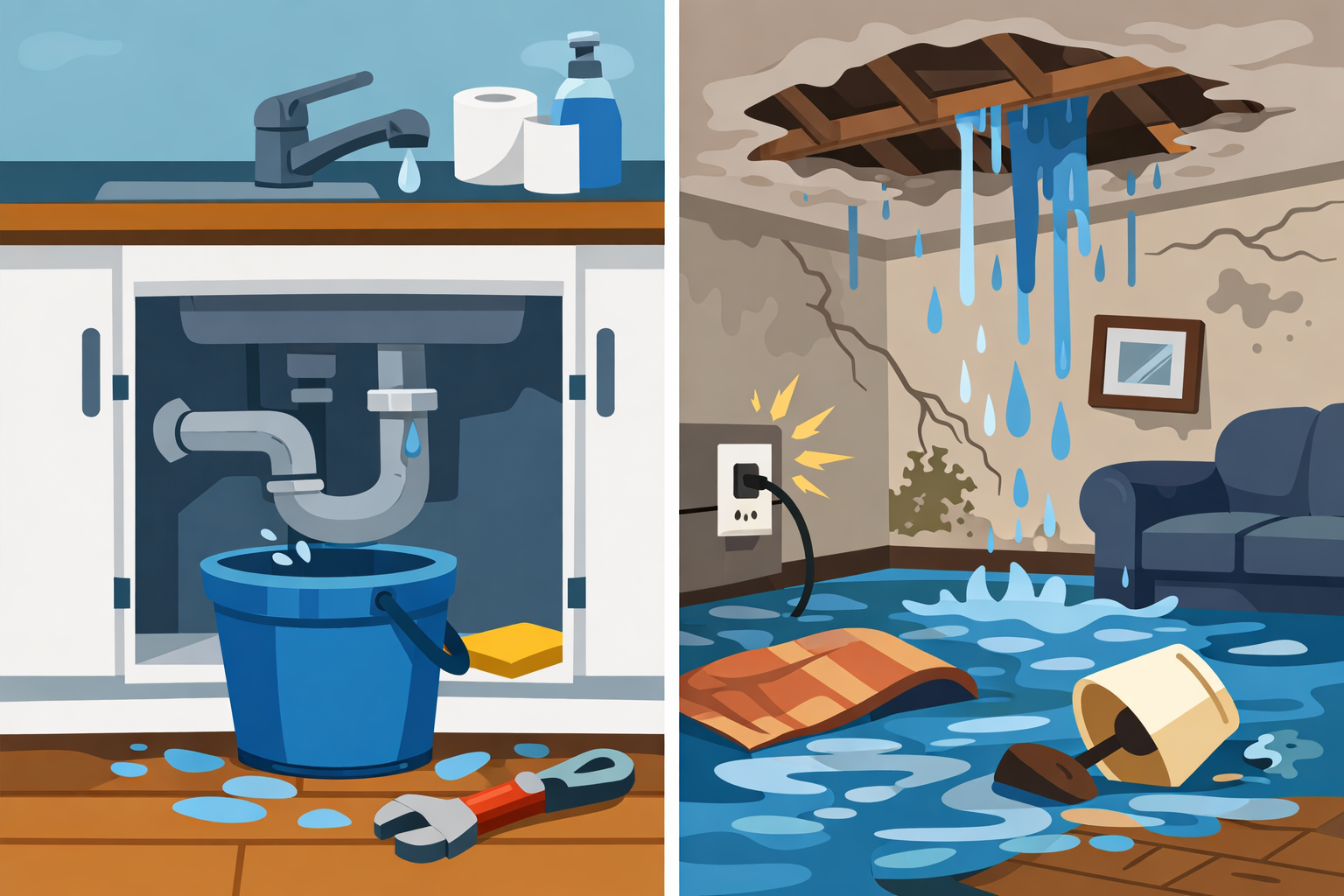
Even the smallest leak in your home’s plumbing system can quickly escalate into a costly problem. Many homeowners assume that a minor drip is harmless, but over time, it can cause structural damage, increase water bills, and create health hazards. Understanding why these small leaks matter and how to address them early is crucial to protecting your property and your wallet.
In this article, we’ll break down the hidden dangers of small leaks, signs to watch for, and practical solutions to prevent major plumbing issues.
The Hidden Costs of Ignoring Minor Leaks
Small leaks might seem insignificant, but their long-term impact can be severe. Over time, water constantly dripping from a faucet or pipe can lead to several costly issues.
Structural Damage
Even a slow leak behind walls or under floors can weaken structural components. Moisture can seep into wood, drywall, and insulation, causing warping, mold, and rot. Homeowners often don’t notice these problems until it’s too late, resulting in expensive repairs or even partial renovations.
High Water Bills
A faucet dripping once per second may waste over 3,000 gallons of water per year. That’s not only an environmental concern but also a significant increase in your monthly water bills. Overlooking these small leaks can make a noticeable dent in your budget without any obvious sign until your bill arrives.
Health Hazards
Standing water and damp areas from undetected leaks create ideal conditions for mold and bacteria. Mold exposure can lead to respiratory issues, allergies, and other health complications. Addressing leaks early can prevent these health risks while also saving money on remediation later.
Common Signs of Hidden Leaks
Not all leaks are obvious. Some occur in places you rarely check, such as under sinks, behind walls, or beneath floors. Being aware of warning signs can help you catch leaks before they cause major damage.
Unexplained Water Stains
Water stains on ceilings, walls, or floors often indicate a hidden leak. If you notice discoloration or peeling paint, it’s essential to investigate immediately.
Dripping or Running Faucets
Even a minor drip is a leak that should not be ignored. Faucets that continue to run after being turned off are wasting water and may indicate worn-out seals or other plumbing problems. Calling a licensed plumber to inspect your fixtures can prevent larger issues.
Unusual Sounds
Hissing, gurgling, or dripping noises from pipes may indicate a leak behind walls or under floors. These subtle sounds often go unnoticed but can signal significant water damage if not addressed promptly.
High Water Bills
Sudden spikes in your water bill without changes in usage are often the first clue that you have a hidden leak. If you notice unusual increases, call a plumber immediately, even if you haven’t observed visible damage.
How Small Leaks Escalate Into Major Problem
Minor leaks often start as tiny drips, but over weeks and months, they can evolve into more serious plumbing failures.
Pipe Corrosion
Continuous moisture accelerates pipe corrosion, particularly in older homes with galvanized or copper piping. Corrosion weakens pipes, leading to cracks or bursts that require extensive repairs. Learn how to address burst pipes before they escalate.
Mold and Mildew Growth
Moisture from leaks creates the perfect environment for mold and mildew to thrive. Mold can spread quickly through walls and floors, damaging property and posing health risks to occupants. Early detection is crucial to prevent widespread contamination.
Structural Weakening
Persistent leaks can compromise wooden beams, drywall, and insulation, causing sagging floors, warped walls, and ceiling collapse. Repairs in these cases are far more costly than fixing the original leak.
When to Call a Professional
Knowing when to address a leak yourself and when to call a professional can save both time and money. Some minor leaks, like loose faucet connections, can be fixed with basic tools, but many situations require expert attention.
Emergency Situations
Certain leaks require immediate professional intervention to prevent catastrophic damage. If you notice water gushing from a pipe, major flooding, or rapid water accumulation, it’s time to contact an emergency plumber. Acting fast can prevent structural damage and reduce repair costs.
Routine Repairs
For minor leaks that are harder to detect, scheduling a professional inspection is the safest approach. Plumbers can identify problems behind walls, under floors, and in other hidden areas, preventing small issues from turning into expensive repairs.
Preventative Maintenance
Even without visible leaks, regular plumbing inspections can catch potential weak points in your system. Preventative maintenance protects your home and ensures your plumbing system remains efficient for years to come.
Tips to Prevent Small Leaks from Becoming Big Problems
Prevention is always better than repair. Taking proactive measures helps maintain your plumbing system and avoid costly emergencies.
Regular Inspections
Schedule routine plumbing inspections to check for signs of leaks, corrosion, or damage. Professional plumbers can identify potential problems before they escalate.
Monitor Your Water Usage
Keep track of your water bills. Sudden spikes often indicate leaks, even if no visible signs exist. Early detection can save money and prevent property damage.
Upgrade Aging Fixtures
Old faucets, toilets, and water heaters are prone to leaks. Upgrading to modern, high-quality fixtures reduces the risk of leaks and improves efficiency.
Address Leaks Immediately
Even small drips should be repaired promptly. Ignoring minor issues increases the likelihood of severe damage and higher repair costs.
Educate Yourself on Plumbing
Understanding the basics of your home’s plumbing system helps you identify leaks quickly. Knowing where pipes and water lines are located can speed up detection and repair.
Why Hiring a Local Plumber Matters
A licensed, local plumber offers several advantages when dealing with small leaks and potential emergencies.
- Quick Response: Local plumbers are available faster in emergencies. If you experience a burst pipe or sudden leak.
- Expertise: Experienced professionals can identify and fix leaks efficiently, minimizing long-term damage.
- Preventative Advice: Local plumbers provide guidance on maintenance, helping homeowners avoid recurring issues.
- Customized Solutions: They understand the unique plumbing challenges in your area, including common causes of leaks in South Florida homes.
If you want to prevent costly repairs, it’s worth investing in professional services rather than attempting DIY fixes that may not fully address the problem. You can also contact us for routine inspections and emergency repairs.
Call us at (786) 709-0426
Conclusion
Small leaks are often ignored, but their long-term consequences can be severe, from structural damage to health risks and rising water bills. Detecting leaks early, scheduling regular inspections, and consulting a professional plumber can save you thousands of dollars and prevent unnecessary stress.
Don’t wait for a minor drip to turn into a major repair. By acting early, you protect your home, safeguard your health, and avoid costly emergency plumbing situations. Remember, even the smallest leak deserves attention. If you suspect a hidden leak, take action today and prevent future headaches.