Florida summers are brutal on commercial plumbing systems. High humidity, constant temperature swings, and heavy HVAC usage create the perfect environment for moisture buildup inside buildings. When condensation forms around exposed pipes, it often leads to hidden mold, water stains, insulation damage, and expensive maintenance issues that disrupt business operations.
For property owners, facility managers, and maintenance teams, controlling moisture around plumbing lines is not just about comfort — it’s about protecting the building itself. In many cases, pipe sweating becomes the first warning sign of larger humidity and drainage problems that can quietly spread through ceilings, walls, and utility rooms.
This guide explains why pipe condensation happens during Florida summers, how mold growth develops in commercial systems, and what building managers can do to prevent long-term damage before repairs become costly.
Why Florida Summers Create Serious Pipe Condensation Problems
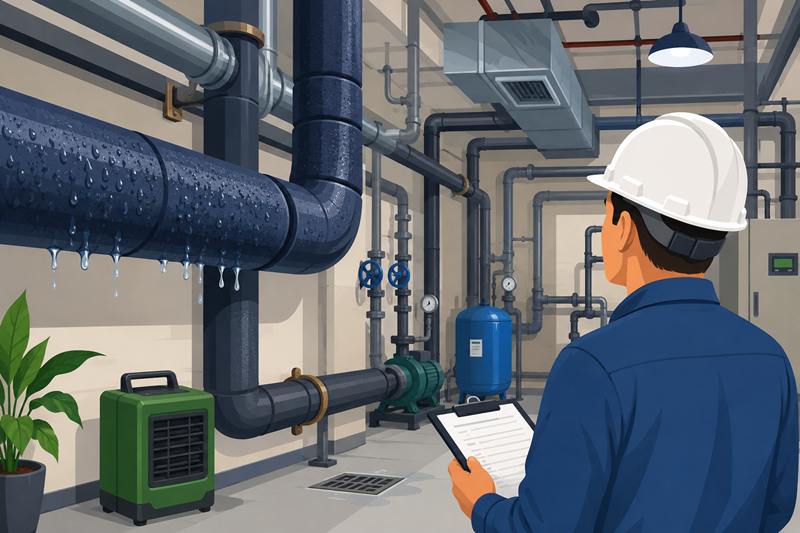
Florida’s climate is naturally humid, especially between late spring and early fall. When cold water flows through pipes surrounded by warm, moisture-heavy air, condensation forms on the outer pipe surface. This process is similar to water droplets forming on a cold drink left outside.
In commercial buildings, the problem becomes much worse because plumbing systems are larger, operate continuously, and often run through poorly ventilated spaces.
Common high-risk areas include:
- Mechanical rooms
- Ceiling cavities
- Commercial kitchens
- Storage areas
- Utility corridors
- Parking garage plumbing systems
Over time, even small amounts of moisture can damage drywall, ceiling tiles, insulation, flooring, and electrical systems.
The Hidden Risks of Excess Moisture Around Pipes
Many building owners underestimate how quickly moisture can spread. Pipe sweating often starts as a minor inconvenience but can evolve into serious structural and indoor air quality issues.
Mold Growth Inside Commercial Buildings
Mold thrives in damp, dark environments with limited airflow. Once condensation repeatedly wets surrounding materials, spores begin spreading rapidly.
This becomes especially dangerous in:
- Healthcare facilities
- Restaurants
- Office buildings
- Hotels
- Retail centers
- Schools
Mold contamination can trigger health complaints, odor problems, and expensive remediation projects.
Damage to Building Materials
Constant moisture weakens nearby materials over time. Ceiling panels sag, drywall softens, flooring warps, and insulation loses effectiveness.
If ignored long enough, the damage may require major restoration work rather than simple maintenance repairs.
Increased Utility Costs
Wet insulation performs poorly. HVAC systems must work harder to maintain indoor temperatures, which increases energy consumption throughout the building.
Many facility operators notice higher cooling bills long before discovering hidden condensation problems.
Signs Your Commercial Plumbing System Has Condensation Issues
Pipe condensation is not always obvious at first. Early detection helps reduce repair costs and prevents mold outbreaks.
Watch for these warning signs:
Water Dripping from Exposed Pipes
This is the clearest indicator of condensation buildup. Pipes may appear wet even without leaks.
Musty Odors Near Utility Areas
Persistent damp smells often signal mold growth behind walls or above ceilings.
Stained Ceiling Tiles or Walls
Brown spots, bubbling paint, or peeling finishes can indicate ongoing moisture exposure.
Rust and Corrosion
Metal pipe supports, brackets, and nearby equipment may begin corroding due to excess humidity.
Damp Insulation
If insulation feels wet or compressed, condensation may already be severe.
Businesses that ignore these issues often discover later how quickly plumbing problems affect business operations through shutdowns, repairs, and indoor air quality complaints.
The Role of Proper Pipe Insulation
One of the most effective ways to reduce sweating is investing in proper pipe insulation. Insulation limits temperature transfer between cold pipes and warm surrounding air.
High-quality insulation helps by:
- Reducing moisture formation
- Improving energy efficiency
- Protecting pipe surfaces
- Preventing mold-friendly conditions
- Extending plumbing system lifespan
Choosing the correct thickness and material matters, especially in humid coastal environments.
A properly designed system for commercial pipe insulation should also account for mechanical room temperatures, ventilation quality, and building occupancy levels.
Ventilation Matters More Than Most Building Owners Realize
Poor airflow accelerates condensation problems. Many commercial properties trap humid air in maintenance spaces where plumbing lines run continuously.
Improving ventilation helps stabilize humidity levels and dry moisture before mold develops.
Areas That Often Need Better Airflow
Utility Closets
Small enclosed spaces frequently become humidity hotspots.
Ceiling Spaces
Commercial drop ceilings can trap warm, damp air around chilled water lines.
Basement and Storage Rooms
Limited circulation allows moisture accumulation to continue unnoticed.
Installing dehumidifiers or improving HVAC airflow can dramatically reduce recurring condensation issues.
Routine Inspections Prevent Expensive Repairs
Preventive maintenance is far cheaper than emergency restoration work. Regular plumbing inspections help detect insulation failures, moisture buildup, and airflow issues early.
Maintenance teams should routinely inspect:
- Pipe insulation condition
- Water stains
- HVAC humidity performance
- Drainage systems
- Mechanical room ventilation
- Pipe support corrosion
Many property managers now follow a proactive maintenance strategy instead of waiting for emergencies. A strong approach to smart commercial plumbing maintenance often reduces unexpected downtime and extends the lifespan of critical plumbing infrastructure.
Why Pipe Material Also Affects Condensation
Different pipe materials react differently to temperature changes and humidity.
Copper Pipes
Copper cools quickly, which often increases exterior condensation in humid environments.
PVC and CPVC Pipes
These materials resist corrosion better but may still accumulate moisture without insulation.
Steel Pipes
Steel systems are vulnerable to rust when exposed to repeated condensation cycles.
Choosing the right commercial pipe setup depends on building size, water usage, HVAC conditions, and environmental exposure.
How HVAC Systems Influence Pipe Sweating
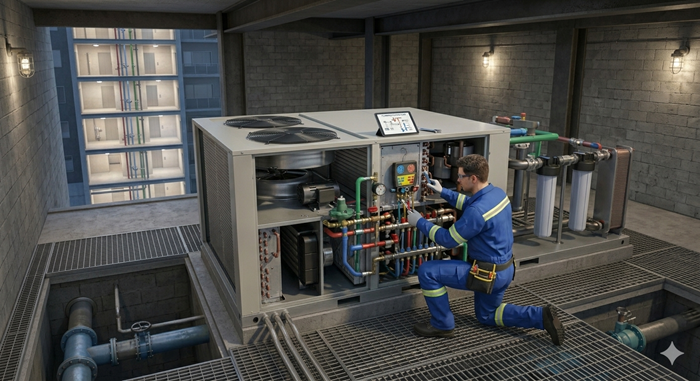
Many building owners focus only on plumbing while ignoring HVAC performance. In reality, indoor humidity control plays a major role in condensation prevention.
If HVAC systems fail to properly remove moisture from indoor air, condensation becomes much more aggressive.
Common HVAC-Related Causes
- Oversized air conditioning systems
- Poor return airflow
- Dirty filters
- Blocked vents
- Inconsistent cooling cycles
- Improper humidity settings
Commercial buildings should ideally maintain indoor humidity between 40% and 60% during summer months.
Florida Buildings Need Faster Response Times
Humidity-related plumbing issues escalate quickly in Florida climates. Delaying repairs by even a few weeks can significantly increase mold risks and restoration costs.
That’s why many businesses search for emergency plumbing near me when sudden pipe sweating, leaks, or water damage appear unexpectedly during peak summer heat.
Fast intervention often prevents:
- Mold remediation expenses
- Tenant complaints
- Inventory damage
- Business interruptions
- Structural deterioration
Book An Appointment: (786) 709-0426
The Importance of Professional Commercial Assessments
Commercial plumbing systems are far more complex than residential setups. Large properties may contain hundreds of feet of concealed piping running through multiple climate zones.
Professional assessments help identify:
- Hidden condensation points
- Failed insulation
- Humidity imbalances
- Improper drainage slopes
- Ventilation deficiencies
- Early mold risks
Experienced technicians also use thermal imaging and moisture detection tools to locate hidden water accumulation before visible damage appears.
Businesses in South Florida often rely on reliable coral springs plumbers for detailed inspections and long-term prevention strategies designed for high-humidity commercial environments.
Best Practices for Preventing Pipe Condensation
Preventing moisture problems requires a combination of insulation, airflow, maintenance, and humidity control.
Install High-Quality Insulation
Ensure all cold water lines and chilled pipes are properly wrapped and sealed.
Control Indoor Humidity
Use HVAC systems, dehumidifiers, and ventilation upgrades to reduce moisture levels.
Inspect Plumbing Systems Regularly
Routine inspections catch early warning signs before damage spreads.
Repair Leaks Immediately
Even minor leaks increase humidity and worsen condensation risks.
Improve Air Circulation
Keep utility spaces ventilated and avoid stagnant humid air pockets.
Monitor Mechanical Rooms
Mechanical spaces often become the starting point for widespread moisture problems.
Many facility operators now follow a preventive strategy similar to a facility managers’ plumbing survival guide to reduce emergency service calls during peak summer months.
Call Now: (786) 709-0426
When to Call a Commercial Plumbing Specialist
Some condensation issues can be corrected with basic insulation upgrades. However, persistent moisture problems usually indicate deeper system inefficiencies.
Professional help is recommended if you notice:
- Repeated mold growth
- Water-damaged ceilings
- Corroded plumbing supports
- Constant dripping pipes
- Persistent humidity problems
- Rising energy bills
- Wet insulation recurring after replacement
Searching for commercial pipe repair near me often becomes necessary once condensation has already caused structural or operational concerns.
The earlier these problems are addressed, the lower the overall repair costs tend to be.
Final Thoughts
Florida’s extreme humidity creates unique challenges for commercial plumbing systems. Pipe condensation may seem minor at first, but it can quickly evolve into mold growth, structural damage, and expensive restoration projects if left unresolved.
Preventive maintenance, insulation upgrades, proper ventilation, and routine inspections all play critical roles in protecting commercial buildings during the summer season.
Building owners who take a proactive approach not only reduce repair costs but also improve energy efficiency, indoor air quality, and long-term plumbing reliability.
FAQs
What causes pipe condensation in commercial buildings?
Warm humid air meeting cold pipes creates moisture on pipe surfaces.
Can pipe condensation lead to mold growth?
Yes, repeated moisture exposure creates ideal conditions for mold development.
How do you stop commercial pipes from sweating?
Proper insulation, humidity control, and ventilation help reduce condensation.
Is pipe condensation common in Florida?
Yes, Florida’s high humidity makes commercial buildings especially vulnerable.
Should wet pipe insulation be replaced?
Yes, damaged or saturated insulation loses effectiveness and should be replaced.