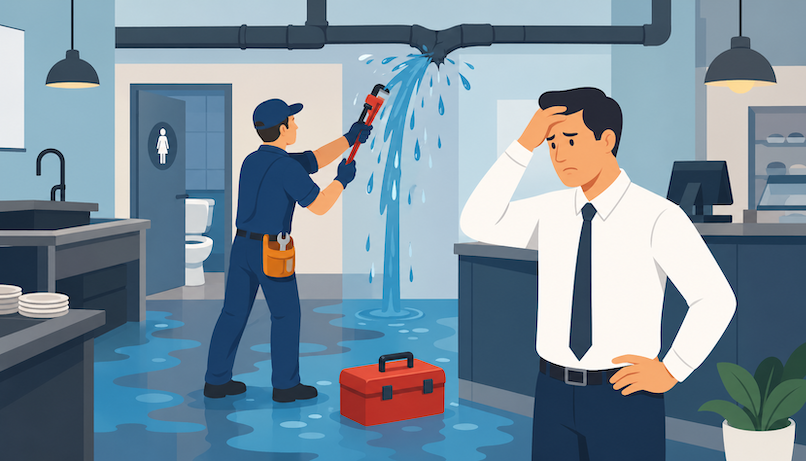
Plumbing issues can do more than create a minor inconvenience. For South Florida businesses, a clogged drain, burst pipe, sewer backup, or failed water heater can quickly interrupt daily operations, affect customers, damage property, and force a temporary closure.
Whether you manage a restaurant, retail store, office, warehouse, salon, medical facility, or rental property, your plumbing system quietly supports almost every part of the business. The moment it fails, productivity slows down, expenses rise, and your reputation can take a hit.
That is why commercial plumbing problems should never be ignored. A small leak under a sink today can become water damage tomorrow. A slow drain can turn into a sanitation issue. A pipe problem behind the wall can shut down your entire location if it is not caught early.
Understanding how plumbing issues can disrupt your business helps you act faster, reduce risk, and protect your bottom line.
Why Plumbing Issues Are a Serious Business Risk
Most business owners think about plumbing only when something stops working. But commercial plumbing systems often handle more demand than residential systems. More people use the bathrooms. More water flows through sinks, drains, appliances, and fixtures. In some industries, plumbing is directly tied to daily revenue.
A restaurant cannot operate without clean water, working drains, and safe restrooms. A salon needs reliable hot water. A medical office must maintain sanitary conditions. A retail space with a leaking ceiling or flooded restroom may have to close until repairs are complete.
The problem is that plumbing issues rarely stay isolated. Water spreads quickly. Moisture can damage flooring, walls, inventory, electrical systems, furniture, and equipment. Sewer backups can create health hazards. Even a short shutdown can lead to lost sales, canceled appointments, and unhappy customers.
For businesses that rely on foot traffic, customer trust, or scheduled services, plumbing problems can become operational problems almost immediately.
Common Plumbing Problems That Can Interrupt Operations
Not every plumbing issue causes an emergency right away, but many can escalate faster than expected. The key is knowing which problems deserve quick attention.
Clogged Drains
Clogged drains are one of the most common commercial plumbing problems. In restaurants, grease, food particles, and debris can build up inside drain lines. In offices and retail spaces, restroom sinks and toilets may clog from heavy daily use.
At first, a clogged drain may seem like a small nuisance. Water drains slowly, smells appear, or one sink backs up. But if the blockage worsens, wastewater can overflow into customer areas, employee spaces, or food preparation zones.
That kind of issue can create sanitation concerns and may force your business to pause operations until the drain is cleared.
Leaking Pipes
A leaking pipe may start as a drip, but it can quietly damage your property for days or weeks before anyone notices. In commercial buildings, pipes may run behind walls, above ceilings, under floors, or near equipment.
Hidden leaks can cause stains, mold growth, warped flooring, damaged drywall, and higher water bills. If the leak reaches electrical systems or business equipment, the repair costs can multiply quickly.
Leaks are especially risky in South Florida because humidity can make moisture problems worse. A damp area that might dry out in another climate can linger longer and create the perfect environment for mold.
Burst Pipes
A burst pipe can shut down a business almost instantly. Water can flood rooms, damage inventory, and make areas unsafe for customers or employees.
While South Florida does not face freezing pipes as often as colder regions, pipes can still burst from corrosion, high water pressure, aging materials, ground movement, or neglected damage. Businesses in older buildings should be especially careful.
If your property has signs of pipe weakness, slow leaks, or pressure changes, learning about burst pipe repair can help you understand when the situation needs immediate attention.
Sewer Line Backups
Few plumbing issues are more disruptive than a sewer backup. Wastewater entering your building creates serious health and safety concerns. Employees may be unable to work, customers may need to leave, and cleanup must happen quickly.
Sewer backups can be caused by tree roots, grease buildup, collapsed pipes, heavy rainfall, or blockages in the main line. In South Florida, storms and saturated ground can increase pressure on drainage systems, making regular inspections even more important.
A sewer issue is not something to wait on. The longer wastewater sits inside a building, the more damage it can cause.
Water Heater Failure
Many businesses depend on hot water to operate properly. Restaurants, salons, gyms, medical offices, and cleaning-based businesses all need reliable hot water for safety, sanitation, and customer comfort.
A failing water heater may produce inconsistent temperatures, strange noises, rusty water, leaks, or no hot water at all. If your business depends on hot water, even one day without it can interrupt services or create compliance concerns.
Replacing or repairing a water heater before it fully fails is often much less disruptive than waiting for an emergency.
How Plumbing Problems Lead to Lost Revenue
A plumbing issue affects more than the repair bill. The bigger cost often comes from downtime.
If your business has to close for several hours or a full day, you lose sales, appointments, productivity, and customer opportunities. Employees may still need to be paid. Customers may reschedule with a competitor. Inventory may be damaged. Insurance claims may take time to process.
For restaurants, plumbing problems can also affect food safety and health inspections. For property managers, tenant complaints can increase. For offices, water damage can interrupt meetings, technology, and daily workflow.
The true cost of plumbing failure often includes:
Lost business hours, emergency repair costs, cleanup expenses, damaged property, unhappy customers, staff disruption, and possible code or safety concerns.
This is why preventive plumbing care is not just maintenance. It is business protection.
Customer Experience Can Suffer Quickly
Customers may not notice when your plumbing works properly, but they will notice when it fails.
A restroom that is out of order, a foul odor near the entrance, a ceiling leak, or standing water on the floor can immediately affect how people view your business. Even if the issue is temporary, it can make your company seem poorly maintained.
For customer-facing businesses, first impressions matter. A plumbing problem can make visitors question cleanliness, safety, and professionalism.
This is especially important for restaurants, salons, medical offices, fitness centers, and retail stores. Customers expect clean, functional spaces. When plumbing problems interfere with that expectation, it can hurt trust.
Plumbing Issues Can Create Safety Hazards
Water and commercial spaces are a risky combination. A leak or overflow can create slippery floors, electrical hazards, mold concerns, and structural damage.
Employees and customers may be at risk if water spreads into walkways or work areas. If contaminated water is involved, the risk becomes even more serious.
A plumbing issue can also affect fire suppression systems, restrooms, handwashing stations, kitchens, and cleaning areas. Depending on your industry, that may create compliance problems or require your business to stop operating until the issue is resolved.
Business owners have a responsibility to maintain safe premises. Fast plumbing repairs help reduce liability and protect everyone inside the building.
The Hidden Damage Behind Small Plumbing Problems
Some plumbing problems are obvious. Others are quiet.
A slow leak behind a wall may not cause visible damage right away. A small drain clog may seem manageable until the line fully backs up. Low water pressure may look like an inconvenience, but it could point to a bigger pipe issue.
Hidden plumbing damage can affect:
Drywall, flooring, ceilings, cabinets, insulation, electrical systems, inventory, furniture, and indoor air quality.
By the time the problem becomes visible, the damage may already be expensive. That is why business owners should pay attention to early warning signs, even if operations are still running normally.
Warning Signs Your Business Has a Plumbing Problem
Many shutdown-level plumbing issues show warning signs before they become emergencies. Catching these early can save your business from major disruption.
Watch for:
Slow drains, gurgling sounds, sewage odors, unexplained water stains, higher water bills, low water pressure, recurring toilet clogs, damp flooring, moldy smells, rusty water, or inconsistent hot water.
If more than one fixture is affected, the issue may be deeper in the plumbing system. For example, multiple slow drains could suggest a main line blockage rather than a simple sink clog.
When signs repeat, do not rely on temporary fixes. Commercial plumbing systems need proper diagnosis to prevent bigger problems.
Why DIY Plumbing Can Be Risky for Businesses
DIY repairs may seem like a way to save money, but they can create more expensive problems when used on commercial plumbing systems.
A plunger or drain cleaner might temporarily improve a clog, but it may not remove the full blockage. Store-bought chemical drain cleaners can damage pipes over time. A small leak may be patched incorrectly and return later with worse damage.
Commercial buildings also have more complex plumbing layouts than homes. What looks like a simple issue may involve shared lines, backflow concerns, grease systems, water heaters, or code requirements.
Preventive Maintenance Helps Avoid Shutdowns
The best way to reduce plumbing emergencies is to prevent them before they happen. Preventive maintenance keeps your plumbing system in better condition and helps catch issues early.
For commercial properties, this may include drain inspections, leak checks, water heater maintenance, sewer line inspections, fixture repairs, water pressure testing, and grease line maintenance.
A regular plumbing maintenance plan can help business owners avoid surprise breakdowns. It also gives you a clearer picture of your system’s condition, especially if your building is older or your business uses a high volume of water.
Preventive service is usually easier to schedule around business hours than emergency repairs. That means less disruption and better control over costs.
When Plumbing Upgrades Make Sense
Sometimes repairs are enough. Other times, frequent plumbing issues are a sign that your system needs an upgrade.
Older pipes, outdated fixtures, inefficient water heaters, poor drainage, and recurring leaks can all cost your business money over time. If your plumbing system is constantly causing problems, upgrading may be more cost-effective than repeated repairs.
Modern plumbing upgrades can improve water efficiency, reduce downtime, support business growth, and help prevent emergencies. For businesses expanding, remodeling, or moving into an older property, planning a plumbing upgrade can make operations more reliable from the start.
Upgrades are also worth considering when your business has changed. A restaurant serving more customers, a salon adding stations, or an office adding employees may place more demand on the plumbing system than it was originally designed to handle.
Choosing the Right Plumbing Company Matters
When your business is at risk, you need a plumbing company that responds quickly and understands commercial needs.
The right plumber does more than fix the immediate issue. They identify the cause, explain your options clearly, and help reduce the chances of the same problem happening again.
Look for a company with experience, proper licensing, responsive service, clear communication, and knowledge of local plumbing conditions. In South Florida, local experience matters because weather, older buildings, salt air, and storm-related drainage issues can all affect plumbing systems.
If you are comparing service providers, knowing what defines a reliable plumbing company can help you make a smarter choice before an emergency happens.
What to Do When a Plumbing Issue Threatens Your Business
If a plumbing problem starts during business hours, act quickly and calmly.
First, stop using the affected fixture or area. If there is active flooding, shut off the water supply if it is safe to do so. Keep customers and employees away from wet floors or contaminated areas. Move inventory, equipment, or important documents away from water.
Then contact a professional plumber as soon as possible. The faster the issue is assessed, the better your chances of limiting damage and reopening quickly.
For urgent problems, do not wait until the end of the day. A few hours can make a major difference when water damage, sewer backups, or pipe failures are involved.
Industries Most Affected by Plumbing Shutdowns
Any business can be affected by plumbing issues, but some industries face higher risk because plumbing is central to daily operations.
Restaurants and Food Service
Restaurants depend on drains, sinks, restrooms, dishwashing areas, grease systems, and hot water. A plumbing failure can affect food preparation, cleaning, sanitation, and customer access.
Even a minor backup can create health concerns and disrupt service during peak hours.
Salons and Spas
Salons, spas, and barbershops rely on water for washing, cleaning, and customer services. Poor water pressure, clogged drains, or no hot water can lead to canceled appointments and lost revenue.
Medical and Dental Offices
Healthcare-related businesses need clean, functional plumbing to maintain sanitary conditions. A restroom issue, leak, or water outage can affect patient comfort and office compliance.
Retail Stores
Retail businesses may not use plumbing as heavily as restaurants, but leaks and restroom problems can still affect customer experience. Water damage can also destroy merchandise and flooring.
Property Management
Apartment buildings, condos, and commercial rental properties can face tenant complaints, emergency calls, and liability risks when plumbing problems are not handled quickly.
How South Florida Conditions Increase Plumbing Risk
South Florida businesses face unique plumbing challenges. Heavy rainfall, tropical storms, humidity, older infrastructure, high groundwater, tree roots, and salt air can all contribute to plumbing wear and tear.
Storm season can overwhelm drainage systems. Coastal conditions can speed up corrosion. Older commercial buildings may have outdated pipes that are more vulnerable to leaks and backups.
Because of these conditions, South Florida businesses should take plumbing maintenance seriously. Waiting until something breaks can be costly, especially when repairs are needed during a busy season or after severe weather.
The Bottom Line: Plumbing Problems Are Business Problems
A plumbing issue is not just a building maintenance concern. It can affect revenue, safety, reputation, employee productivity, and customer trust.
The good news is that many plumbing shutdowns can be prevented with early action, regular maintenance, and a dependable plumbing partner. When you pay attention to warning signs and handle small problems quickly, you protect your business from bigger disruptions.
For South Florida business owners, reliable plumbing is part of reliable operations. Keeping your system in good shape helps keep your doors open, your customers comfortable, and your business moving forward.
FAQ
Can a plumbing issue really force my business to close?
Yes. Serious issues like sewer backups, burst pipes, flooding, no working restrooms, or no hot water can force a business to stop operating until repairs are complete.
What plumbing problems are most likely to cause downtime?
The most disruptive problems include burst pipes, sewer backups, major leaks, clogged main drains, failed water heaters, and restroom plumbing failures.
How often should a business schedule plumbing maintenance?
Most businesses should schedule plumbing maintenance at least once a year. High-use businesses like restaurants, salons, and medical offices may need inspections more often.
What should I do first if a pipe bursts at my business?
Shut off the water supply if it is safe, keep people away from wet areas, move valuables away from water, and call a professional plumber immediately.
Are slow drains a serious problem for businesses?
They can be. A slow drain may point to buildup inside the pipes. If ignored, it can lead to backups, odors, sanitation issues, and business disruption.
Is commercial plumbing different from residential plumbing?
Yes. Commercial plumbing systems usually handle more usage, larger layouts, stricter code requirements, and more complex equipment than residential systems.
How can I prevent plumbing emergencies at my business?
Regular inspections, drain cleaning, leak detection, water heater maintenance, and fast repairs are the best ways to reduce emergency plumbing risks.