South Florida homeowners know how quickly utility bills can climb, especially during long, humid months when appliances work overtime. While air conditioning gets most of the attention, your hot water system also plays a major role in monthly energy use. Small inefficiencies inside your system can quietly increase costs every single month.
The good news is that lowering your energy bill does not always require a full replacement. A few strategic adjustments can improve efficiency, reduce wasted energy, and extend the life of your equipment. Whether you own a traditional tank system or a modern upgrade, these practical solutions can make a noticeable difference for your home.
If you have been searching for ways to improve efficiency without sacrificing comfort, these four water heater tweaks are worth considering.
Lower the Temperature Setting for Better Efficiency
One of the easiest ways to reduce energy use is adjusting the thermostat on your system. Many units are automatically set higher than necessary, which causes them to consume more electricity or gas than most households actually need.
For most South Florida homes, setting the temperature to around 120 degrees Fahrenheit provides enough hot water for showers, laundry, and dishwashing while helping reduce energy waste.
Why High Temperatures Increase Bills
When your system constantly maintains excessively hot water, it cycles more frequently throughout the day. That means higher energy consumption and additional strain on internal components.
Lowering the temperature by even a small amount can help:
- Reduce monthly utility costs
- Lower the risk of scalding
- Slow down mineral buildup inside the tank
- Extend the lifespan of heating components
This simple change becomes especially important in warmer climates where incoming groundwater temperatures are already relatively mild.
Signs Your Current Setting May Be Too High
You may benefit from lowering the thermostat if:
- Hot water feels excessively hot at faucets
- Steam appears quickly during normal use
- Energy bills have steadily increased
- The system runs frequently even during low-demand periods
If temperature adjustments do not improve performance, it may be time to look into professional water heater installation services for a more efficient system.
Flush Sediment Buildup Out of the Tank
Mineral-rich water is common throughout many parts of Florida. Over time, sediment collects at the bottom of storage tanks and creates a barrier between the burner and the water itself.
This buildup forces the system to work harder and consume more energy to produce the same amount of hot water.
How Sediment Impacts Efficiency
Sediment acts like insulation inside the tank. Instead of heating water directly, the burner or heating element must first heat layers of hardened mineral deposits.
That leads to:
- Longer heating cycles
- Increased utility costs
- Reduced hot water capacity
- Rumbling or popping noises from the tank
- Premature wear on components
Routine maintenance can dramatically improve performance and lower monthly expenses.
Call Now: (786) 709-0426
How Often Should Maintenance Be Done?
For most South Florida homes, experts recommend draining and cleaning the system at least once per year. Homes with harder water may require more frequent service.
Regular maintenance becomes even more important in older systems where buildup accumulates faster. If you are unsure about timing, learning when to flush your water heater can help prevent unnecessary energy waste.
Upgrade Insulation Around Pipes and the Tank
Many homeowners focus only on the appliance itself, but exposed hot water pipes can also contribute to significant heat loss.
When hot water travels through uninsulated pipes, it cools before reaching faucets and appliances. That forces the system to run longer to maintain desired temperatures.
Pipe Insulation Makes a Bigger Difference Than Most Expect
Adding insulation around accessible hot water pipes helps retain heat and improves overall efficiency.
Benefits include:
- Faster delivery of hot water
- Reduced standby heat loss
- Lower energy consumption
- Less strain on the system
- Improved comfort during peak usage
Pipe insulation is relatively inexpensive and can often provide immediate savings.
Tank Insulation for Older Systems
If your unit is older, adding an insulating blanket around the tank may also help reduce heat loss. However, this upgrade should only be used on appropriate systems and installed carefully to avoid covering safety controls.
Older units often lose heat continuously through tank walls, especially when installed in garages or utility rooms exposed to fluctuating temperatures.
Consider Switching to a High-Efficiency Upgrade
Sometimes efficiency problems cannot be solved with maintenance alone. Older units naturally lose performance over time and may consume far more energy than newer systems.
Upgrading to a modern high-efficiency model can significantly reduce long-term operating costs while improving reliability.
Tankless Systems Reduce Wasted Energy
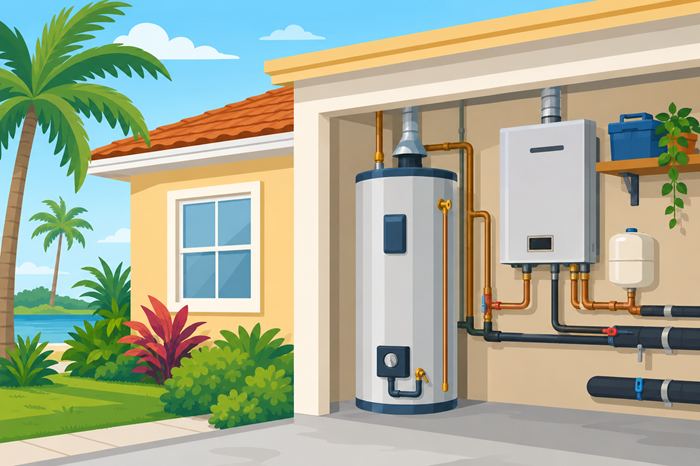
A tankless water heater heats water only when needed instead of storing it continuously inside a large tank. That means less standby energy loss and more consistent efficiency.
Advantages include:
- Lower monthly utility bills
- Endless hot water supply
- Compact design
- Longer operational lifespan
- Reduced maintenance needs
Tankless systems are especially popular in South Florida homes looking to improve energy efficiency without sacrificing convenience.
Hybrid Systems Offer Even Greater Savings
Hybrid systems combine heat pump technology with traditional heating methods to reduce electricity usage dramatically.
These systems pull heat from surrounding air instead of generating it directly, which makes them highly efficient in warm climates like South Florida.
Homeowners interested in long-term savings often explore hybrid water heater services because these systems can substantially lower annual energy costs.
Pay Attention to Seasonal Performance Changes
South Florida may not experience harsh winters like northern states, but seasonal weather changes still affect appliance performance.
Even mild temperature drops can force systems to work harder, especially older units already struggling with sediment or worn components.
Cooler Weather Can Expose Existing Problems
When temperatures dip unexpectedly, many homeowners suddenly notice issues like:
- Longer recovery times
- Inconsistent hot water
- Rising utility bills
- Strange operating noises
That is often because hidden inefficiencies become more noticeable during heavier demand periods.
Understanding how cold snaps stress your water heater can help homeowners prepare before small issues turn into costly repairs.
Watch for Warning Signs Before Energy Costs Spike
Rising energy bills are often one of the first indicators that something is wrong with your system.
Minor performance issues can gradually increase operating costs long before the unit completely fails.
Common Symptoms of an Inefficient System
You may need professional attention if you notice:
- Water taking longer to heat
- Reduced hot water supply
- Rust-colored water
- Leaks around the tank
- Unusual noises during operation
- Sudden increases in utility bills
Addressing problems early usually costs less than waiting for complete failure.
If your household suddenly experiences no hot water?, the issue may involve failing heating elements, sediment buildup, thermostat problems, or aging equipment.
Call Now: (786) 709-0426
Small Changes Can Deliver Long-Term Savings
Lowering your monthly utility costs does not always require major renovations. In many cases, a few targeted improvements can significantly improve performance and reduce wasted energy.
Simple steps like reducing thermostat settings, cleaning sediment buildup, insulating pipes, and upgrading outdated systems can all contribute to better efficiency.
For South Florida homeowners, focusing on preventative maintenance and energy-smart upgrades helps keep monthly costs manageable while ensuring reliable hot water year-round.
If your current system struggles to meet demand or continues driving up energy expenses, it may be time to explore professional solutions before repair costs continue adding up.
Frequently Asked Questions
How can I lower my hot water energy costs?
Lowering the thermostat, insulating pipes, and scheduling regular maintenance can reduce energy usage.
Does sediment buildup increase utility bills?
Yes, sediment forces the system to work harder and consume more energy.
Are tankless systems more energy efficient?
Yes, they reduce standby heat loss by heating water only when needed.
How often should maintenance be scheduled?
Most homes benefit from annual flushing and inspection services.
When should I replace an older unit?
Replacement is often recommended when repairs become frequent or efficiency noticeably declines.