Clogged drains are one of the most common plumbing issues homeowners deal with, especially in humid areas like Homestead where grease buildup, soap residue, hair, and mineral deposits can quickly create serious blockages. When water starts draining slowly, many people grab a bottle of chemical cleaner from the store hoping for a quick fix.
The problem is that most liquid drain cleaners do far more harm than good. While they may temporarily clear a clog, they can also weaken your plumbing system, damage pipe interiors, and create expensive repair problems over time. Understanding why these products are risky — and what safer alternatives actually work — can help protect your home and avoid unnecessary plumbing emergencies.
The Hidden Problem With Liquid Drain Cleaners
Most chemical drain products are designed to create heat through a chemical reaction. That heat is meant to break down grease, hair, soap scum, or food particles sitting inside the pipe.
While this sounds effective in theory, repeated exposure to harsh chemicals can slowly destroy plumbing materials from the inside out.
How Chemical Cleaners Damage Pipes
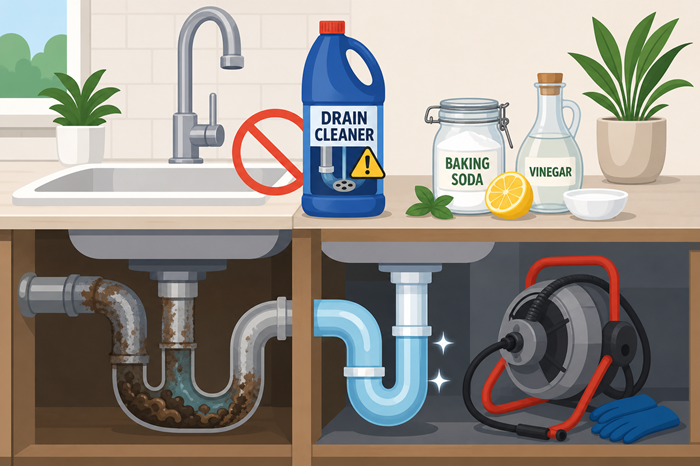
Many liquid cleaners contain corrosive ingredients like sodium hydroxide or sulfuric acid. These substances sit inside the drain line and generate intense heat.
Over time, this can:
- Soften PVC piping
- Corrode older metal pipes
- Weaken pipe joints
- Damage seals and fittings
- Increase the risk of leaks
Older homes are especially vulnerable because aging plumbing systems already have wear and tear. Adding harsh chemicals only accelerates deterioration.
Why Store-Bought Drain Solutions Often Fail
One reason homeowners continue using chemical cleaners is convenience. Pouring a bottle down the drain feels easier than calling a plumber.
Unfortunately, these products rarely remove the entire blockage.
They Usually Create Temporary Relief
Most drain cleaners only burn through part of the clog instead of completely clearing the line. Grease, sludge, and debris often remain stuck to pipe walls.
This means the blockage quickly returns, sometimes worse than before.
If recurring issues continue, it may be time to contact professional drain cleaning companies that can fully inspect and clean the system safely.
They Can Make Future Plumbing Repairs Harder
Chemical residue left behind inside pipes can also create safety risks for plumbers. If a technician opens a drain line containing caustic chemicals, it may cause burns or dangerous fumes.
This is one reason many professionals discourage homeowners from using aggressive drain-clearing products altogether.
The Impact on Different Types of Plumbing Systems
Not all pipes react the same way to chemical cleaners. Some materials break down faster than others.
PVC Pipes
PVC is common in modern homes because it is affordable and durable. However, repeated heat exposure from chemical reactions can soften or warp the material.
Even small deformations can reduce water flow efficiency and increase future clog risks.
Older Metal Pipes
Homes with galvanized steel or cast iron plumbing face even greater risks. Corrosive chemicals can eat away at the metal lining, eventually causing rust, cracks, and pipe failure.
Septic Systems
Homes using septic systems should avoid harsh drain products entirely. Chemicals can disrupt the bacteria needed for healthy septic operation.
This can lead to septic backups, unpleasant odors, and costly maintenance.
Common Causes of Drain Problems in Homestead Homes
Many homeowners assume clogs happen randomly, but most drainage issues build up gradually over time.
Grease and Food Waste
Kitchen sinks often develop buildup from oils, grease, coffee grounds, and food particles.
Once grease cools, it sticks to pipe walls and traps additional debris.
Hair and Soap Scum
Bathroom drains commonly clog because of hair accumulation mixed with soap residue.
This sticky combination slowly narrows the pipe opening.
Mineral Buildup
South Florida water conditions can contribute to mineral accumulation inside plumbing lines.
This buildup restricts water flow and increases clog frequency.
Understanding why drains clog helps homeowners prevent recurring plumbing issues before they become major repairs.
Why Professional Drain Cleaning Works Better
Professional drain cleaning addresses the root cause instead of masking the symptoms.
Licensed plumbers use advanced equipment designed to clear the entire pipe safely without causing damage.
Video Camera Inspections
Modern plumbers often use drain cameras to inspect the inside of pipes.
This helps identify:
- Grease buildup
- Tree root intrusion
- Pipe cracks
- Collapsed sections
- Severe blockages
Instead of guessing, professionals can pinpoint the exact issue.
Also Read: Buying a Home in Homestead? Get a Plumbing Camera Inspection First
Hydro Jetting
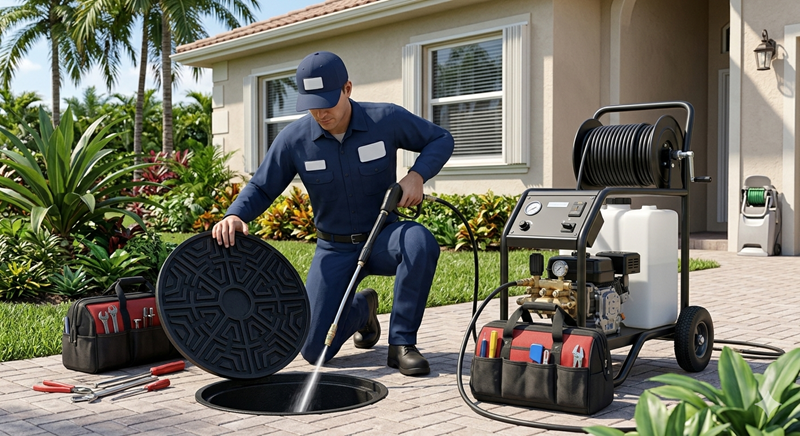
Hydro jetting uses high-pressure water to clean pipe interiors thoroughly.
Unlike chemical cleaners, hydro jetting removes buildup without introducing corrosive substances into the plumbing system.
Mechanical Drain Snaking
Drain augers and snakes physically remove clogs instead of dissolving them chemically.
This approach is safer for pipes and often provides longer-lasting results.
Safer Alternatives Homeowners Can Use
Not every slow drain requires immediate professional service. Some safe maintenance methods can help reduce buildup between cleanings.
Hot Water Flushing
Pouring hot water down kitchen drains regularly can help loosen grease before it hardens.
This works best as preventative maintenance rather than a solution for severe clogs.
Baking Soda and Vinegar
A mixture of baking soda and vinegar can help break down minor buildup naturally.
While it will not clear serious obstructions, it is much gentler on pipes than chemical cleaners.
Drain Screens
Simple drain covers help prevent hair, food scraps, and debris from entering the plumbing system in the first place.
Prevention is often the most effective long-term solution.
Signs Your Drain Problem Is Getting Worse
Many homeowners ignore early warning signs until the issue becomes severe.
Watch for these common indicators:
- Slow-draining sinks or tubs
- Gurgling sounds from drains
- Foul odors near sinks
- Water backups
- Frequent recurring clogs
These symptoms may point to larger plumbing problems hidden deeper inside the system.
If you notice persistent blocked drains, it is important to address them before pipe damage worsens.
The Financial Cost of Chemical Drain Cleaners
Many homeowners choose store-bought cleaners because they seem cheaper upfront.
However, repeated use can create expensive long-term damage.
Pipe Replacement Costs
Damaged pipes may require partial or complete replacement, especially if corrosion or cracks develop.
Repair costs can rise quickly depending on the extent of the damage.
Water Damage Risks
Leaks caused by weakened plumbing can lead to:
- Mold growth
- Drywall damage
- Flooring repairs
- Structural problems
The cost of restoring water damage often far exceeds the price of proper drain maintenance.
Why Preventative Maintenance Matters
Routine plumbing maintenance helps homeowners avoid emergency situations and costly repairs.
Professional drain inspections and cleaning can catch small issues before they become serious blockages.
Homeowners who regularly schedule professional drain cleaning often experience fewer plumbing emergencies and improved drainage performance throughout the year.
What to Do During a Severe Drain Backup
Some drain problems require immediate action.
Call for a quick plumbing service: (786) 709-0426
If multiple drains back up at once or sewage begins entering the home, stop using water fixtures immediately.
This may indicate a main sewer line blockage.
In these situations, contacting a plumber quickly is essential to prevent property damage. A serious drain emergency should never be handled with chemical cleaners because the blockage may already be putting dangerous pressure on the plumbing system.
Are There Any Safe Drain Cleaning Products?
Not all drain solutions are equally harmful.
Some enzyme-based products are designed to break down organic material naturally without generating extreme heat or corrosion.
These products are generally safer for plumbing systems, though they work more slowly and are best suited for maintenance rather than major blockages.
Homeowners searching online for drain cleaners near me should focus on professional services rather than relying on harsh chemical products that may worsen plumbing damage.
Why DIY Plumbing Fixes Often Backfire
Many homeowners attempt DIY solutions before calling a professional.
While minor maintenance is fine, aggressive DIY methods can sometimes create larger issues.
Overusing Chemical Products
Repeated chemical treatments may cause:
- Pipe weakening
- Persistent odors
- Drain line deterioration
- Hidden leaks
Improper Tool Use
Using plumbing snakes incorrectly can scratch or puncture pipes, especially older systems.
Mixing Chemicals
Combining multiple cleaning products is extremely dangerous and may release toxic fumes.
This is one reason professional plumbers recommend avoiding most retail chemical drain products entirely.
Better Long-Term Solutions for Healthy Plumbing
Keeping drains healthy requires consistent habits rather than quick chemical fixes.
The best approach includes:
- Avoiding grease disposal in sinks
- Using drain strainers
- Scheduling routine inspections
- Addressing slow drains early
- Choosing non-corrosive cleaning methods
Many homeowners also mistakenly believe the best drain cleaners are the strongest chemical products on store shelves. In reality, the safest and most effective solution is usually professional mechanical cleaning performed by trained plumbers.
Even basic household maintenance tools like pipe cleaners are safer for minor debris removal than pouring corrosive chemicals into your plumbing system.
Conclusion
Liquid drain cleaners may seem like an easy fix, but they often create more plumbing problems than they solve. The harsh chemicals inside these products can weaken pipes, damage plumbing systems, and lead to expensive repairs over time.
Instead of relying on temporary chemical solutions, homeowners should focus on safer drain maintenance methods and professional cleaning services that address the actual source of the problem.
Protecting your plumbing system today can help prevent major leaks, backups, and costly emergencies in the future. When drains begin slowing down or recurring clogs appear, choosing professional inspection and cleaning is almost always the smarter long-term investment.
FAQs
Are liquid drain cleaners bad for PVC pipes?
Yes, repeated use can soften or warp PVC pipes because of heat-producing chemical reactions.
What is the safest way to unclog a drain?
Mechanical cleaning methods and professional drain services are typically the safest options.
Can chemical drain cleaners damage septic systems?
Yes, harsh chemicals may disrupt the beneficial bacteria required for septic system function.
How often should drains be professionally cleaned?
Most homes benefit from professional cleaning every 1–2 years depending on usage.
When should I call a plumber for a clogged drain?
Call a plumber if clogs keep returning, multiple drains back up, or water drains very slowly.