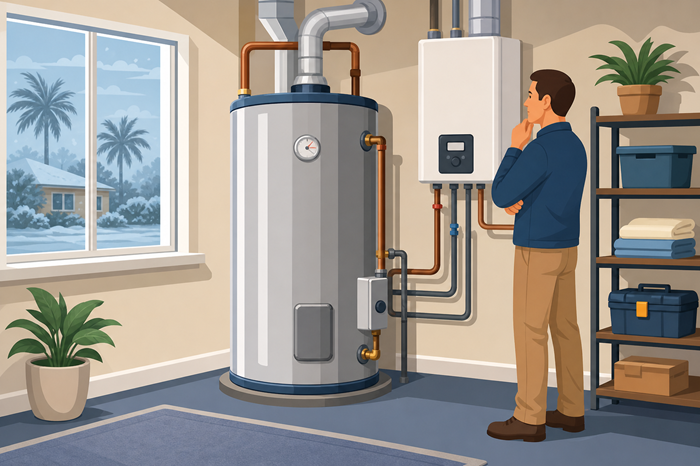
When temperatures dip in South Florida, most homeowners expect a light chill — not household plumbing problems. But even Homestead’s short-lived cold snaps can put extra strain on your water heater, especially if the system is older, poorly maintained, or already operating inefficiently.
Many homeowners notice slower heating, inconsistent water temperature, rising utility bills, or complete loss of hot water during colder weather. While these issues may seem sudden, cold temperatures often expose problems that have been building for months.
Understanding why your system struggles during colder periods can help you avoid expensive breakdowns and keep your home comfortable all winter long.
Why Colder Weather Affects Your Water Heater
South Florida may not experience freezing winters, but even a modest temperature drop changes how hard your unit has to work.
During colder mornings and evenings, incoming groundwater temperatures become significantly lower than usual. That means your system must use more energy and run longer cycles to heat the same amount of water.
If your unit is aging or underperforming, those extra demands quickly become noticeable.
Incoming Water Starts Much Colder
Water entering your home during winter can be 10–20 degrees colder than it is during warmer months. Your system must compensate by heating water longer and maintaining higher temperatures throughout the day.
This is especially noticeable in larger households where multiple showers, laundry cycles, and dishwashing happen close together.
Higher Demand Creates Extra Stress
Cooler weather also changes household habits. Families tend to take hotter showers, run more warm-water laundry loads, and use hot water more frequently overall.
That increased demand can overwhelm systems that are already operating near capacity.
If you’ve recently searched for water heater repair near me, seasonal strain may be one of the main reasons your system suddenly started acting up.
Signs Your System Is Struggling
Cold weather rarely creates problems on its own. Instead, it exposes weaknesses that were already developing inside the unit.
Recognizing early warning signs can help you avoid a complete breakdown.
Water Takes Longer to Heat
One of the first signs is delayed hot water delivery. If your shower takes several extra minutes to warm up, sediment buildup or worn heating components could be reducing efficiency.
Inconsistent Water Temperature
Does the water suddenly switch between hot and lukewarm? That often indicates your unit is struggling to keep up with demand.
In many cases, homeowners dealing with no hot water? discover issues like failing thermostats, heating elements, or mineral buildup inside the tank.
Strange Noises From the Tank
Popping, rumbling, or banging sounds usually point to hardened sediment sitting at the bottom of the tank. During colder weather, the system works harder, causing trapped moisture beneath sediment layers to create noise.
These sounds are more than annoying — they’re a sign your unit is losing efficiency.
Utility Bills Suddenly Increase
When a system struggles to maintain water temperature, it consumes more energy. A noticeable spike in monthly utility costs during winter often signals declining performance.
Sediment Buildup Gets Worse During Winter
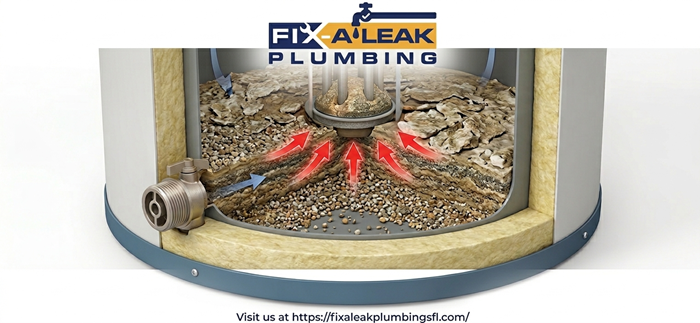
Sediment accumulation is one of the most common reasons water heaters struggle during cold weather.
Minerals naturally found in water settle at the bottom of the tank over time. This layer acts as insulation between the burner or heating element and the water itself.
As temperatures drop, the system must work even harder to heat through that buildup.
Reduced Efficiency
Sediment forces the unit to run longer heating cycles, increasing energy use and wear on internal components.
This is why plumbers often recommend homeowners regularly flush water heater systems before winter arrives.
Increased Wear and Tear
The harder your unit works, the faster parts wear out. Heating elements, thermostats, burners, and pressure valves all experience greater strain during periods of increased demand.
Ignoring sediment problems can shorten the life of the entire system.
Older Units Struggle the Most
Aging systems are far more vulnerable during seasonal temperature changes.
Many homeowners don’t notice declining performance during warm months because the system doesn’t need to work as hard. Once colder weather arrives, those hidden issues become obvious.
Aging Heating Components
Over time, burners and heating elements lose efficiency. They may still function, but they cannot heat water as quickly or consistently as they once did.
Corrosion Inside the Tank
Internal corrosion weakens tank walls and reduces overall performance. If your unit is more than 8–12 years old, colder weather can accelerate existing problems.
Some warning signs that your system may be a water heater about to fail include rusty water, leaks around the base, inconsistent temperatures, and unusual noises.
Insufficient Capacity for Modern Use
Older systems may also be undersized for today’s household demands. If your family has grown or your hot water usage has increased over time, the unit may simply no longer meet your needs efficiently.
Tankless Systems Can Experience Winter Problems Too
Many homeowners assume a tankless water heater eliminates all cold-weather issues. While these systems are highly efficient, they still face challenges during temperature drops.
Reduced Flow Rate
Tankless systems heat water on demand. When incoming water temperatures become colder, the unit may reduce flow rates to maintain desired output temperatures.
This can make showers feel weaker or inconsistent.
Mineral Scale Buildup
South Florida’s mineral-rich water can create scale buildup inside tankless systems, restricting performance during high-demand periods.
Routine maintenance is essential to keep these systems operating efficiently year-round.
Why Maintenance Matters Before Winter
Preventive maintenance is one of the best ways to prepare your system for seasonal demand changes.
A professional inspection can identify developing issues before they become emergency repairs.
Key Maintenance Tasks Include
Tank Flushing
Removing sediment buildup improves efficiency and heating performance.
Inspecting Heating Components
Technicians check thermostats, burners, and heating elements for wear or damage.
Testing Pressure Relief Valves
Pressure valves help protect the system from dangerous pressure buildup during heavy operation.
Checking for Corrosion or Leaks
Early leak detection can prevent major water damage and sudden system failure.
Routine service is especially important if you’ve delayed maintenance for several years.
Upgrading May Save Money Long-Term
Sometimes repeated repairs cost more than replacing an outdated unit.
Modern systems offer improved energy efficiency, faster recovery times, and more consistent hot water delivery during colder weather.
Homeowners researching water heater installation near me often discover that newer units significantly reduce utility costs while improving daily comfort.
Energy-Efficient Options Are Growing Popular
Many South Florida homeowners are upgrading to a hybrid water heater because these systems combine traditional heating with heat pump technology for better efficiency.
Hybrid systems can lower energy consumption while still providing reliable hot water during colder temperatures.
Choosing the Right Size Matters
An improperly sized system will struggle regardless of technology. Professional installation ensures your unit matches your household’s actual hot water usage.
Emergency Problems Should Never Be Ignored
Some winter-related issues require immediate attention.
Ignoring warning signs can lead to leaks, water damage, or complete loss of hot water.
Call for Immediate Help If You Notice:
- Water pooling around the tank
- Burning smells
- Rust-colored water
- Loud banging noises
- Sudden temperature loss
- Pressure relief valve leaks
In these situations, emergency plumbing services can help prevent larger household damage and restore safe operation quickly.
How to Help Your System Perform Better During Cold Snaps
A few simple habits can reduce stress on your unit during colder weather.
Lower Simultaneous Hot Water Usage
Avoid running showers, dishwashers, and laundry machines at the same time whenever possible.
Insulate Exposed Pipes
Pipe insulation helps reduce heat loss and improves delivery efficiency.
Adjust Temperature Carefully
Setting the thermostat too high increases energy use and system strain. Most households function well at around 120°F.
Schedule Annual Maintenance
Professional inspections catch small problems before they become major repairs.
Working with a trusted plumbing company near me ensures your system receives proper maintenance and expert recommendations based on your home’s specific needs.
Final Thoughts
Homestead’s colder weather may be brief, but it can still place significant stress on your home’s hot water system. Lower groundwater temperatures, increased household demand, sediment buildup, and aging components all contribute to winter performance problems.
The good news is that most issues are preventable with proper maintenance, timely repairs, and smart upgrades.
If your system has been showing signs of reduced performance, strange noises, or inconsistent heating, addressing the problem early can save money and prevent unexpected breakdowns during the next cold snap.
FAQs
Why does my water heater stop working during cold weather?
Colder incoming water forces the system to work harder, exposing existing performance issues.
How often should a water heater be flushed?
Most systems should be flushed at least once a year to remove sediment buildup.
Can cold weather damage a tankless unit?
Yes, colder water temperatures can reduce flow rates and strain the system.
What temperature should my water heater be set to?
Around 120°F is ideal for efficiency, comfort, and safety.
How long does a typical unit last?
Most residential systems last between 8 and 12 years with proper maintenance.