A well-functioning kitchen depends on more than appliances and good design. Your plumbing system plays a major role in how efficiently the space works every day, from washing dishes and preparing meals to running the dishwasher and keeping drains clear. When something goes wrong, even a small issue can quickly disrupt the entire routine of your household.
That is why smart kitchen plumbing habits matter. Knowing how to prevent clogs, spot early warning signs, and make better decisions about repairs can save you from expensive damage later. Whether you are dealing with a slow drain, an aging faucet, or concerns about hidden leaks, understanding the basics can help you protect your home and avoid unnecessary stress.
In this guide, we will cover practical kitchen plumbing tips every homeowner should know, along with signs that it may be time to bring in a professional. With the right approach, you can keep your kitchen plumbing system efficient, reliable, and far less likely to surprise you with a costly emergency.
Why Kitchen Plumbing Deserves More Attention
Kitchen plumbing gets used constantly, which means it experiences more wear and tear than many homeowners realize. The sink handles grease, soap, food scraps, hot water, and frequent daily use. Add in a garbage disposal, dishwasher, and aging pipes, and the kitchen quickly becomes one of the busiest plumbing zones in the home.
Because the system is used so often, small problems tend to build over time. A minor drip under the sink can turn into cabinet damage. A slow drain can eventually become a stubborn clog. A loose connection behind an appliance can lead to hidden moisture and mold before anyone notices.
Giving your kitchen plumbing a little more attention now can prevent major repairs later. It also helps your fixtures last longer and keeps water flowing the way it should.
Be Careful About What Goes Down the Drain
One of the most important kitchen plumbing tips is also one of the simplest: be very selective about what enters the sink drain.
Many homeowners assume that if something is soft or rinses away with water, it is safe for the drain. That is not always true. Grease, oil, and fat may look harmless when warm, but they cool and harden inside pipes. Over time, that buildup narrows the line and creates clogs that can be difficult to remove.
Food scraps are another common problem. Items like coffee grounds, eggshells, pasta, rice, celery, and fibrous vegetable peels can collect in the drain or strain the garbage disposal. Even if they do not cause an immediate blockage, they can contribute to slow drainage and unpleasant odors.
What should stay out of the kitchen drain
To protect your plumbing, avoid sending these materials down the sink:
- Cooking grease and oil
- Coffee grounds
- Eggshells
- Rice and pasta
- Fibrous vegetables
- Flour and dough
- Bones or fruit pits
- Harsh chemicals not meant for plumbing systems
Using a sink strainer is a simple upgrade that can make a big difference. It catches food debris before it enters the drain and reduces the chances of a future clog.
Never Treat the Garbage Disposal Like a Trash Can
Garbage disposals are useful, but they are often misunderstood. They are designed to handle small food particles, not heavy waste or large amounts of scraps.
Overloading the disposal can damage the blades, strain the motor, and create blockages deeper in the plumbing line. Running the disposal without enough water also increases the chance of buildup inside the pipes.
If your kitchen has a garbage disposal, use it carefully. Feed small amounts at a time, use cold water while it runs, and let the water continue for a few seconds after turning it off. Cold water helps grease stay solid so it can move through the system more effectively instead of coating the inside of the pipe.
Foods to keep out of the disposal
Some materials are especially bad for garbage disposals, including:
- Grease and oil
- Potato peels in large amounts
- Onion skins
- Corn husks
- Celery
- Bones
- Fruit pits
- Large quantities of starchy foods
A disposal can support your kitchen routine, but it should never replace proper waste disposal habits.
Fix Leaks Early Before They Get Expensive
A small kitchen leak may not seem urgent, but ignoring it can become costly. Dripping faucets waste water, while under-sink leaks can damage cabinets, flooring, and nearby walls. Over time, even minor moisture issues can create the perfect conditions for mold and wood rot.
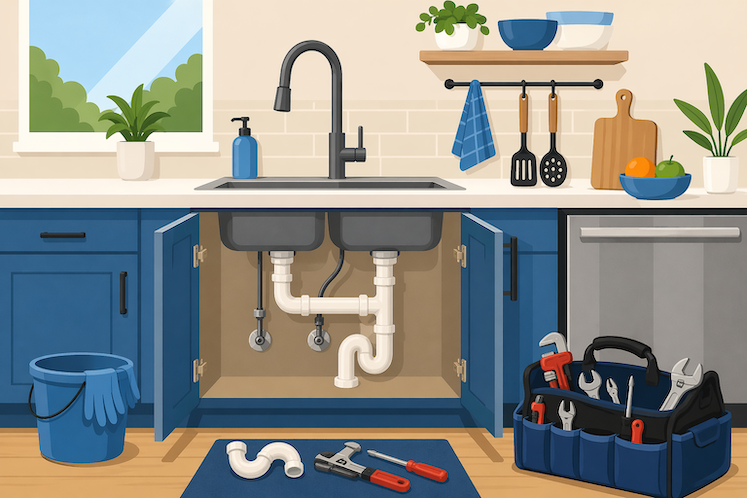
Check under the sink regularly for signs of trouble. Look for pooled water, corrosion on fittings, warped cabinet surfaces, or musty smells. Pay attention to any faucet that drips after being turned off or connections that feel damp to the touch.
In many homes, the more serious issue is not the leak you can see. It is the one hidden behind walls, under floors, or inside older plumbing lines. If you suspect a problem that is not obvious, a hidden plumbing inspection can help identify the source before major damage develops.
Catching leaks early is one of the smartest ways to protect your kitchen plumbing and your home overall.
Watch for Signs of a Drain Problem
Kitchen drain issues rarely appear without warning. In most cases, the plumbing system gives you clues before a full blockage happens.
If water begins draining more slowly than usual, do not ignore it. A slow drain often signals buildup from grease, soap residue, or food particles. Gurgling sounds can also point to trapped air caused by a developing clog. If bad smells keep coming from the sink, that usually means organic debris is sitting somewhere in the drain line.
Warning signs homeowners should not ignore
Call attention to these common red flags:
- Water draining slowly
- Gurgling noises from the sink
- Recurring clogs
- Unpleasant drain odors
- Water backing up into the sink
- Dishwasher water returning to the sink basin
A plunger may help with a minor blockage, but repeated issues usually mean there is a deeper problem in the line. When that happens, professional drain cleaning is often the better long-term solution.
Know When DIY Stops Being the Right Choice
There is nothing wrong with handling simple kitchen maintenance on your own. Cleaning the sink strainer, checking for visible leaks, and using plumbing fixtures correctly are all smart homeowner habits. But not every kitchen plumbing problem should become a do-it-yourself project.
Many homeowners make the mistake of using chemical drain cleaners or taking apart plumbing connections without fully understanding the issue. This can damage pipes, create bigger leaks, or make the original problem harder to diagnose.
It helps to understand the difference between safe maintenance and risky repair work. When you are unsure, comparing a professional versus DIY approach can help you avoid costly mistakes and decide when expert help is the smarter option.
In general, if a problem keeps returning, affects multiple fixtures, or involves hidden leaks, it is best to contact a licensed plumber rather than guess your way through a repair.
Protect Your Pipes From Pressure and Wear
Kitchen plumbing problems are not always caused by clogs. Pipe damage can also happen because of age, poor installation, corrosion, or sudden pressure changes.
While burst pipes are often associated with colder climates, they can happen anywhere when plumbing lines are weakened or compromised. A crack, loose joint, or worn section of pipe can fail unexpectedly and cause serious water damage in a short amount of time.
That is why it is important to pay attention to signs like banging noises, fluctuating water pressure, discoloration around pipe joints, or unexplained damp spots. These symptoms can point to stress within the plumbing system.
If you want to understand how serious pipe damage develops and why quick action matters, learning more about burst pipe warning signs can give useful context for what homeowners should watch for before a minor weakness turns into an emergency.
Healthy pipes are the foundation of a dependable kitchen. Protecting them means thinking beyond the sink itself.
Upgrade Older Fixtures When Performance Drops
Not every plumbing issue is a repair issue. Sometimes the better solution is an upgrade.
Older kitchen faucets, shut-off valves, sink connections, and supply lines can become less reliable with time. Even if they still work, they may be inefficient, prone to leaks, or no longer suited to your household’s water usage.
If your kitchen fixtures are outdated, rusted, or frequently needing attention, replacing them can improve both performance and peace of mind. Newer fixtures often use water more efficiently, seal better, and give your kitchen a cleaner, more updated look.
For homeowners planning improvements, considering a smart plumbing upgrade can be a practical way to prevent repeat problems while improving everyday convenience in the kitchen.
An upgrade can be especially worthwhile during a remodel, after repeated plumbing repairs, or when your system is showing clear signs of age.
Do Not Ignore Low Water Pressure
Low water pressure in the kitchen is more than an annoyance. It can signal buildup, leaks, valve issues, or broader plumbing system concerns.
If your faucet suddenly loses pressure, first check whether the problem is isolated to the kitchen sink. Sometimes the aerator is clogged with sediment and simply needs cleaning. In other cases, the issue may come from a partially closed valve under the sink or mineral buildup inside older supply lines.
When low pressure affects more than one fixture, the cause may be more serious. That could include a hidden leak or a problem deeper in the home’s plumbing system.
Consistent water pressure is essential for a kitchen that functions well. If basic cleaning and inspection do not solve the issue, it is best to have a plumber evaluate the source.
Keep Dishwasher Plumbing in Good Condition
Your dishwasher relies on plumbing connections that are easy to overlook until something goes wrong. A loose hose, blocked drain line, or poor connection can affect both appliance performance and kitchen sanitation.
If you notice water pooling around the dishwasher, dishes coming out dirty, or sink water backing up when the machine runs, it may be a plumbing issue rather than an appliance issue. The dishwasher drain line must be installed properly and remain free of buildup for the system to work correctly.
Checking for leaks around the dishwasher and watching for drainage problems can help you catch trouble early. If your dishwasher plumbing is older or has been modified during past repairs, it may be worth having it inspected during routine maintenance.
Make Routine Kitchen Plumbing Checks Part of Home Care
Most homeowners do not think about their kitchen plumbing until there is a problem. A better strategy is to build simple inspections into your regular home maintenance routine.
Every few weeks, take a moment to look under the sink. Check for moisture, corrosion, or unusual smells. Turn on the faucet and watch how the water drains. Listen for any strange sounds from the disposal or pipes. These quick checks can reveal small issues before they become larger repairs.
A simple kitchen plumbing checklist
Use this routine to stay ahead of problems:
- Inspect under-sink pipes for leaks
- Test faucet pressure and drainage speed
- Check for cabinet dampness or odors
- Clean the sink strainer
- Run the garbage disposal with cold water
- Look for signs of rust or corrosion
- Make sure shut-off valves work properly
These habits take only a few minutes, but they can save a great deal of money and inconvenience over time.
Why Preventive Plumbing Care Pays Off
Preventive care is one of the best investments a homeowner can make. Waiting until a kitchen plumbing problem becomes obvious usually means dealing with a bigger repair, more disruption, and higher costs.
By staying proactive, you reduce the risk of emergency calls, protect your cabinets and floors from water damage, and help your fixtures last longer. You also gain peace of mind knowing that your kitchen plumbing is less likely to fail when you need it most.
A well-maintained plumbing system supports the rest of your home. It keeps everyday tasks simple and helps you avoid the stress that comes with sudden leaks, clogged drains, or damaged pipes.
Final Thoughts on Kitchen Plumbing Tips for Homeowners
Kitchen plumbing may work quietly in the background, but it affects your home every single day. From preventing clogs and protecting pipes to spotting leaks early and knowing when to upgrade fixtures, the right habits can make a major difference.
The good news is that homeowners do not need to be plumbing experts to take better care of their kitchens. A little awareness, regular maintenance, and fast action when warning signs appear can go a long way.
If your kitchen sink drains slowly, your fixtures are aging, or you suspect a hidden issue, it is always better to act early. The sooner a plumbing concern is addressed, the easier it usually is to fix.