Dealing with a broken sewer line traditionally meant one thing: a massive, ugly trench running straight through a landscape. For homeowners in South Florida, where lush gardens and expensive paver driveways are the norm, that old dig and replace method feels more like a demolition project than a repair.
Technology has finally caught up with modern needs. Anyone searching for trenchless sewer repair near me has likely realized there is a much cleaner way to handle underground plumbing issues. This modern approach allows for the restoration or replacement of pipes from the inside out, saving grass, trees, and nerves.
What is Trenchless Sewer Repair?
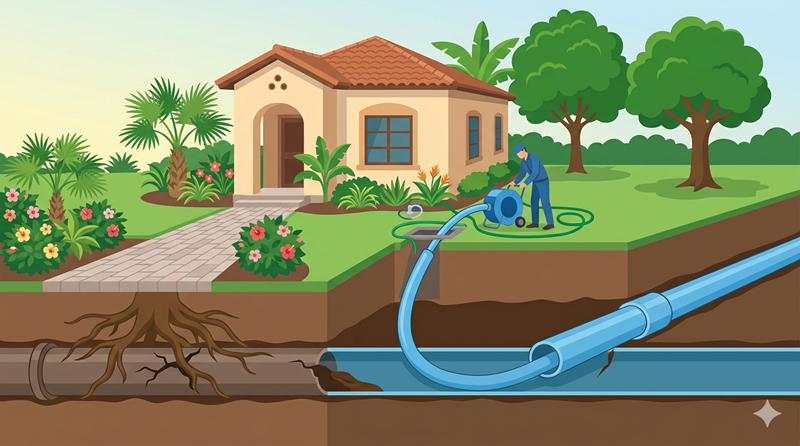
At its core, trenchless repair is a “no-dig” solution for damaged underground pipes. Instead of excavating the entire length of the line, technicians use specialized equipment to access the pipes through small entry points.
This method is particularly effective for common South Florida issues like root intrusion, calcification, and pipe corrosion. Because days are not spent digging and more days are not required for replanting, the entire process is significantly faster than traditional methods.
When hiring professional plumbing services, experts typically use one of two main methods: pipe lining or pipe bursting. Both options provide a brand-new interior for a sewer system without the mess of a construction site.
Why South Florida Homes Need This Technology
Living in the Sunshine State presents unique challenges for underground infrastructure. Soil composition, a high water table, and aggressive tree roots create a perfect storm for plumbing failures.
Traditional cast iron pipes, which were standard in many older homes across the region, are particularly prone to channeling or rotting out at the bottom. When these pipes fail, homeowners often worry about massive disruption to the property.
By following florida plumbing codes, modern trenchless solutions ensure that repairs are not just clean, but fully compliant with local safety and durability standards.
The Problem with Invasive Roots
In a tropical climate, trees like ficus and palms have expansive root systems that constantly hunt for moisture. A tiny hairline crack in a sewer pipe acts like a beacon for these roots. Once inside, roots expand, causing blockages and eventually shattering the pipe.
Trenchless lining creates a seamless, jointless pipe within the old one. Since there are no joints for roots to penetrate, the new system is far more resistant to future foliage-related damage than the original pipe ever was.
How the Trenchless Process Works
Understanding the step-by-step process helps demystify how pipes get fixed without being seen. It starts with a high-definition camera inspection. This allows for a clear view of the exact location and severity of the damage.
Pipe Lining (CIPP)
Cured-in-Place Pipe (CIPP) is the most common trenchless method. An epoxy-saturated felt tube is inserted into the damaged pipe. Once in place, it is inflated and left to cure.
After a few hours, the tube becomes a hard, structural pipe-within-a-pipe. It is smooth, durable, and significantly improves the flow rate of a waste system. This is often the preferred trenchless sewer repair service for residential neighborhoods where space is tight.
Pipe Bursting
If an old pipe is too damaged to be lined—perhaps it has collapsed entirely—pipe bursting is used. A large cone-shaped bursting head is pulled through the old line. It breaks the old pipe apart and pushes the fragments into the surrounding soil.
Simultaneously, it pulls a brand-new high-density polyethylene (HDPE) pipe behind it. The result is a completely new pipe in the exact same location as the old one, with virtually no digging required.
Breaking Down the Cost
One of the first questions asked is about the trenchless sewer repair cost. It is a common misconception that high-tech always means more expensive. While the equipment and materials for trenchless repair are more specialized, the total project cost is what matters.
With traditional digging, payment isn’t just for the plumbing. It covers backhoe rentals, several days of labor, and the massive cost of restoring a property afterward. Replacing a driveway or a mature landscape can cost thousands of dollars on its own.
Trenchless methods eliminate those hidden restoration costs. When factoring in the speed of the job and the lack of property damage, the no-dig approach often ends up being the more economical choice.
Longevity and Material Choices
When investing in home infrastructure, knowing how long a fix will last is vital. Modern materials used in trenchless applications are designed to survive the harsh, damp conditions of the South Florida substrate.
Understanding the expected pipe lifespan is crucial. Most epoxy liners and HDPE pipes are rated to last 50 years or more. These materials do not corrode like cast iron and do not become brittle like some older plastics.
PEX vs. Copper and Other Materials
While sewer lines focus on HDPE and epoxy, home supply lines also deserve consideration. Often, when a sewer fails, supply lines are also nearing the end of their utility. Deciding between pex vs copper pipes is a common debate for local homeowners.
In salty coastal air, PEX has become a favorite because it is resistant to the pitting and corrosion that often plagues copper. Similarly, the materials used in trenchless sewer repair are chosen specifically for chemical resistance and structural integrity.
Major Benefits of the No-Dig Approach
If the decision is still difficult, consider these primary advantages that go beyond just saving a lawn.
1. Massive Time Savings
A traditional sewer replacement can take a week or more of heavy construction. A trenchless repair is usually completed in a single day. This means the water is back on and life returns to normal much faster.
2. Environmental Protection
Digging up old pipes can disturb the soil and potentially leak contaminants. Trenchless repair is much more contained. Furthermore, the materials used are environmentally friendly and will not leach chemicals into the surrounding area.
3. Improved Functionality
The smooth interior of a lined pipe reduces friction. This means waste moves more efficiently, and there are fewer snag points where debris can build up and cause a clog. It is an upgrade, not just a repair.
How to Avoid Future Plumbing Disasters
Repairing a sewer line is a major milestone, but it should also serve as a reminder to maintain the rest of the system. To avoid costly plumbing repairs in the future, regular inspections are key.
A camera inspection every few years is recommended, especially for older homes or properties with large trees. Catching a small crack early means a pipe can be lined before it collapses, keeping the repair simple and affordable.
Conclusion
Choosing a non-invasive repair method is the most effective way to protect a property’s value and landscape. By opting for modern technology, long-term durability is guaranteed without the stress of major excavation. Experience a seamless transition to a fully functional sewer system with a single day of professional service.
Call For Inquiry: (786) 709-0426]
Frequently Asked Questions
How long does trenchless sewer repair actually take?
Most residential trenchless projects are completed in 4 to 8 hours.
Will trenchless repair reduce the diameter of pipes?
The reduction is minimal and is offset by the smoother surface improving flow.
Is trenchless sewer repair as strong as a new PVC pipe?
The materials used are structurally sound and often have higher pressure ratings.
Can trenchless methods be used under a concrete slab?
Yes, this technology avoids jackhammering floors or foundations.
Is a permit required for trenchless sewer work in Florida?
Yes, most municipalities require a permit to ensure work meets local building codes.