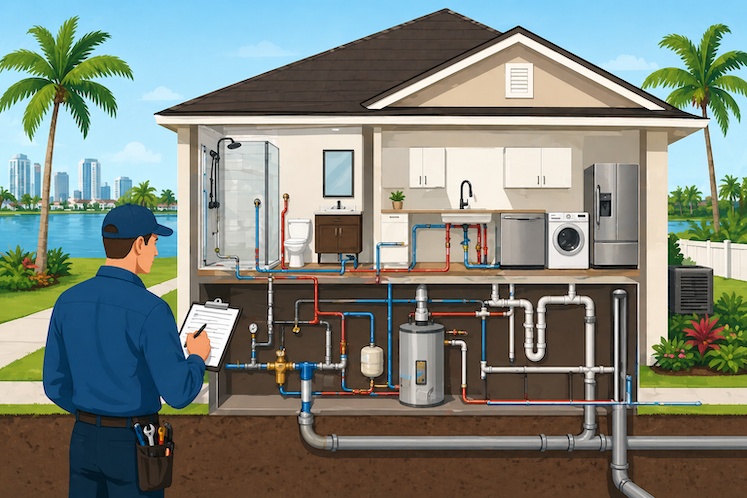
Florida plumbing codes can feel confusing when you are planning a repair, remodel, water heater replacement, or new fixture installation. But for homeowners, the goal is simple: safe water, proper drainage, reliable fixtures, and plumbing work that protects your home.
Because Florida has heat, humidity, storms, flooding risks, high groundwater, and coastal conditions, plumbing systems here need to meet standards that help prevent leaks, contamination, sewer problems, and property damage.
Understanding the basics of Florida plumbing codes can help you make smarter decisions, ask better questions, and know when it is time to bring in a licensed professional.
What Are Florida Plumbing Codes?
Florida plumbing codes are rules that govern how plumbing systems are installed, repaired, replaced, and inspected. These codes cover water supply lines, drainage systems, venting, fixtures, water heaters, backflow protection, sewer connections, and more.
They are designed to keep homes safe and sanitary. When plumbing work is done correctly, clean water stays clean, wastewater flows away properly, and the system can handle daily use without creating health or safety risks.
For homeowners, codes matter because they affect the quality of work behind the walls, under the slab, and beneath your property. Even if a repair looks fine on the surface, it may cause major problems later if it does not meet code.
Why Plumbing Codes Matter for Florida Homeowners
Plumbing codes are not just paperwork. They help prevent serious issues such as water contamination, sewer gas exposure, flooding, mold growth, structural damage, and unsafe water heater installations.
Florida homes face unique plumbing conditions. Heavy rain can overwhelm drainage. Coastal air can contribute to corrosion. Older neighborhoods may have aging pipes. Storm season can expose weaknesses in sewer and water systems.
If you are buying, renovating, or repairing a home, code-compliant plumbing protects both your property and your household.
Permits: When Homeowners Usually Need One
Many larger plumbing projects require a permit. This helps make sure the work is inspected and completed according to local requirements.
Common plumbing projects that may require a permit include water heater replacement, repiping, sewer line replacement, major drain line work, bathroom additions, kitchen remodels, and moving plumbing fixtures.
Small repairs, such as replacing a faucet or fixing a minor leak, may not always require a permit. However, permit rules can vary by city or county, so it is smart to check before work begins.
When in doubt, a licensed plumber can help determine whether your project needs approval.
Licensed Plumbing Work Matters
Florida plumbing work should be handled by qualified professionals, especially when the job involves water supply lines, sewer lines, gas lines, water heaters, backflow devices, or major fixture changes.
Hiring an unlicensed person may seem cheaper at first, but it can create serious problems. Poor plumbing work can cause leaks, failed inspections, insurance issues, and expensive corrections later.
Licensed plumbers understand code requirements, approved materials, fixture spacing, venting rules, pressure standards, and inspection expectations. That experience helps protect your home from shortcuts that may not be obvious right away.
If you are planning a project and want clear next steps, getting an estimate is a practical way to start.
Water Supply Code Basics
Your home’s water supply system brings clean water to faucets, toilets, showers, appliances, hose bibs, and water heaters. Plumbing codes help make sure this system is safe, durable, and properly sized.
The system must use approved pipe materials, proper fittings, correct connections, and safe pressure levels. Pipes also need to be installed in ways that reduce leaks, damage, and contamination risks.
A code-compliant water supply system should deliver enough water for daily use without creating pressure problems or cross-connections.
Pipe Materials Must Be Approved
Not every pipe material is suitable for every application. Florida plumbing codes require approved materials based on where the pipe is installed, what it carries, and how it will be used.
Common residential plumbing materials include copper, PEX, CPVC, PVC, and cast iron in older drain systems. Each has different uses, strengths, and limitations.
Homeowners should also consider age. Older pipes may still be working, but that does not mean they are in good condition. Learning about Florida pipe lifespan can help you understand when repairs may no longer be enough.
PEX, Copper, and Modern Repiping Choices
Many Florida homeowners compare PEX and copper when repiping or remodeling. Both can be code-compliant when installed correctly, but the right choice depends on the home, budget, water conditions, and installation details.
Copper is strong and long-lasting, but it can cost more and may be affected by certain water chemistry. PEX is flexible, efficient to install, and widely used in residential plumbing, but it must be protected from improper exposure and installed with approved fittings.
Before choosing materials, it helps to understand how PEX and copper pipes perform in real homes.
Drainage and Waste System Requirements
Drainage systems remove wastewater from sinks, tubs, showers, toilets, laundry areas, dishwashers, and other fixtures. Plumbing codes require proper pipe sizing, slope, connections, and venting so wastewater flows safely away from the home.
A drain line that is too flat may clog often. A line that is too steep may allow water to outrun solids, creating buildup. Improper fittings can also slow flow and increase blockage risks.
Good drainage is especially important in Florida, where high humidity and water damage can quickly create mold and structural concerns.
Plumbing Venting Is More Important Than It Looks
Plumbing vents allow air into the drainage system so wastewater can move smoothly. They also help prevent sewer gases from entering the home.
If a plumbing system is not vented properly, you may notice gurgling drains, slow drainage, foul odors, or toilets that do not flush correctly.
Venting mistakes are common in DIY remodels, especially when homeowners move sinks, add bathrooms, or finish laundry areas. Even a nice-looking remodel can fail inspection if the venting is wrong.
Fixture Installation Rules
Plumbing codes also cover how fixtures are installed. Toilets, sinks, tubs, showers, and appliances need proper spacing, secure connections, shut-off valves, traps, and drainage.
For example, sinks need traps to block sewer gases. Toilets need proper flange height and a secure seal. Showers need correct waterproofing and drainage slope.
These details matter because small installation mistakes can lead to leaks, odors, loose fixtures, and water damage.
Water Heater Code Requirements
Water heaters are one of the most code-sensitive plumbing components in a home. They involve hot water, pressure, energy sources, and safety devices.
A proper water heater installation may include correct placement, approved connections, temperature and pressure relief valves, discharge piping, expansion control, drain pans, and safe electrical or gas connections.
Improper installation can create leaks, scalding risks, pressure problems, or serious safety hazards. This is why water heater replacement often requires a permit and inspection.
Backflow Prevention Protects Your Water
Backflow happens when water flows in the wrong direction, potentially allowing contaminated water to enter the clean water supply. This can happen when pressure changes occur in the plumbing system.
Florida homes with irrigation systems, pools, wells, certain outdoor connections, or specific plumbing setups may need backflow prevention devices.
These devices must be installed correctly and may need testing depending on the system and local rules. Homeowners can better protect their water by understanding backflow prevention rules before problems arise.
Sewer Line and Septic Code Considerations
Some Florida homes connect to municipal sewer systems, while others use septic systems. Each setup has different code requirements.
Sewer connections must be properly installed, sloped, sealed, and protected from leaks or blockages. Septic systems must meet health department rules, including tank placement, drain field requirements, and maintenance guidelines.
If you are buying a home, adding bathrooms, building an addition, or changing wastewater flow, sewer or septic requirements should be reviewed early in the process.
Ignoring these systems can lead to backups, odors, failed inspections, and costly repairs.
Bathroom Remodel Plumbing Codes
Bathroom remodels often involve plumbing code questions because toilets, showers, tubs, sinks, and drains are close together.
If you are simply updating finishes, you may not need major plumbing changes. But if you are moving fixtures, replacing drain lines, changing shower valves, adding a bathroom, or altering walls, code requirements become much more important.
A bathroom may look beautiful when finished, but hidden plumbing issues can create leaks, slow drains, sewer smells, or failed inspections.
Planning the plumbing layout before demolition can save time and money.
Kitchen Remodel Plumbing Codes
Kitchen plumbing codes often involve sinks, garbage disposals, dishwashers, water lines, shut-off valves, and drain connections.
Dishwashers need proper drainage to prevent dirty water from flowing back into the appliance. Sinks need correctly installed traps and vents. Ice maker lines and water filtration systems must be connected securely to prevent leaks.
Because kitchens use plumbing daily, even a small installation mistake can become a major inconvenience.
Outdoor Plumbing and Irrigation Rules
Outdoor plumbing is common in Florida homes. Hose bibs, irrigation systems, pool plumbing, outdoor showers, and outdoor kitchens all need proper installation.
Irrigation systems are especially important because they can create cross-connection risks if not protected correctly. Outdoor water lines also need durable materials and secure fittings that can handle weather exposure.
In coastal areas, corrosion resistance matters. In storm-prone areas, drainage and exterior water flow should also be considered.
Common Code Mistakes Homeowners Should Avoid
Homeowners often run into code issues when they try to save money with DIY plumbing or hire someone who is not properly qualified.
Common mistakes include using the wrong pipe material, skipping permits, improper venting, incorrect drain slope, missing shut-off valves, poor water heater installation, unapproved fittings, and unsafe backflow connections.
Another common problem is covering work before inspection. Once walls, floors, or cabinets are closed up, fixing a code issue can become much more expensive.
Buying a Home? Ask About Plumbing Code Updates
If you are buying a Florida home, ask about plumbing permits, past repairs, water heater age, repiping history, sewer line work, and any open permit issues.
Older homes may have plumbing that worked for decades but no longer meets current standards. That does not always mean everything must be replaced immediately, but it does mean you should understand the system’s condition.
A plumbing inspection can help you negotiate repairs, plan upgrades, and avoid surprise expenses after closing.
Insurance and Plumbing Code Compliance
Insurance companies may care about plumbing age, materials, leak history, water heater condition, and past claims. In some cases, outdated plumbing can affect coverage or premiums.
Code-compliant work creates a better paper trail. Permits, inspections, and invoices show that repairs or upgrades were completed properly.
This documentation can be useful for insurance, resale, and long-term maintenance planning.
How to Stay Code-Smart as a Homeowner
You do not need to memorize Florida plumbing codes. You only need to know when code matters and when to call a professional.
Before starting plumbing work, ask whether permits are needed. Use licensed professionals for major repairs. Keep records of inspections and completed work. Pay attention to leaks, water pressure changes, drain problems, and water heater issues.
Most importantly, do not ignore plumbing concerns just because they seem small. In Florida homes, water problems can escalate quickly.
FAQ
Do Florida homeowners need permits for plumbing repairs?
It depends on the type of work. Minor repairs may not require a permit, but larger projects such as repiping, water heater replacement, sewer line work, and major remodels often do.
Can I do my own plumbing work in Florida?
Some minor tasks may be handled by homeowners, but major plumbing work should be done by a licensed plumber. Code violations can lead to leaks, failed inspections, safety risks, and insurance complications.
What plumbing work is most likely to require inspection?
Water heater replacement, repiping, sewer line replacement, bathroom additions, kitchen remodel plumbing, and major fixture relocation commonly require inspection.
Why is backflow prevention important?
Backflow prevention protects clean water from contamination. It is especially important for homes with irrigation systems, pools, wells, or certain outdoor plumbing connections.
Are older Florida homes required to update plumbing?
Not always. However, if you remodel, repair, or replace certain plumbing components, the new work may need to meet current code. Older systems should also be inspected for safety and reliability.
What happens if plumbing work is not up to code?
Non-compliant plumbing can cause failed inspections, leaks, drainage problems, water contamination risks, insurance issues, and expensive repairs later.
How do I know if my plumber follows Florida plumbing codes?
Hire a licensed plumber, ask about permits when needed, request written estimates, and keep documentation of completed work. A professional plumber should be able to explain the process clearly.
Final Thoughts
Understanding Florida plumbing codes does not mean you need to become a plumbing expert. It means knowing enough to protect your home, avoid risky shortcuts, and make confident decisions when repairs or upgrades are needed.
Code-compliant plumbing helps keep your water clean, your drainage reliable, and your home safer over time. Whether you are remodeling, replacing old pipes, installing a water heater, or dealing with a plumbing concern, working with the right professional can save you from costly problems later.