Owning a home in South Florida comes with unique challenges, especially when it comes to plumbing. Between humidity, aging infrastructure, and heavy water usage, your system works harder than you might realize. That’s why many homeowners eventually ask the same question: is an annual plumbing inspection really worth it?
The short answer is yes—but the real value goes far beyond a simple checkup. A yearly inspection can prevent costly repairs, extend the life of your plumbing system, and give you peace of mind knowing everything is working as it should. Let’s break down what it involves, why it matters, and how it can actually save you money in the long run.
What Is an Annual Plumbing Inspection?
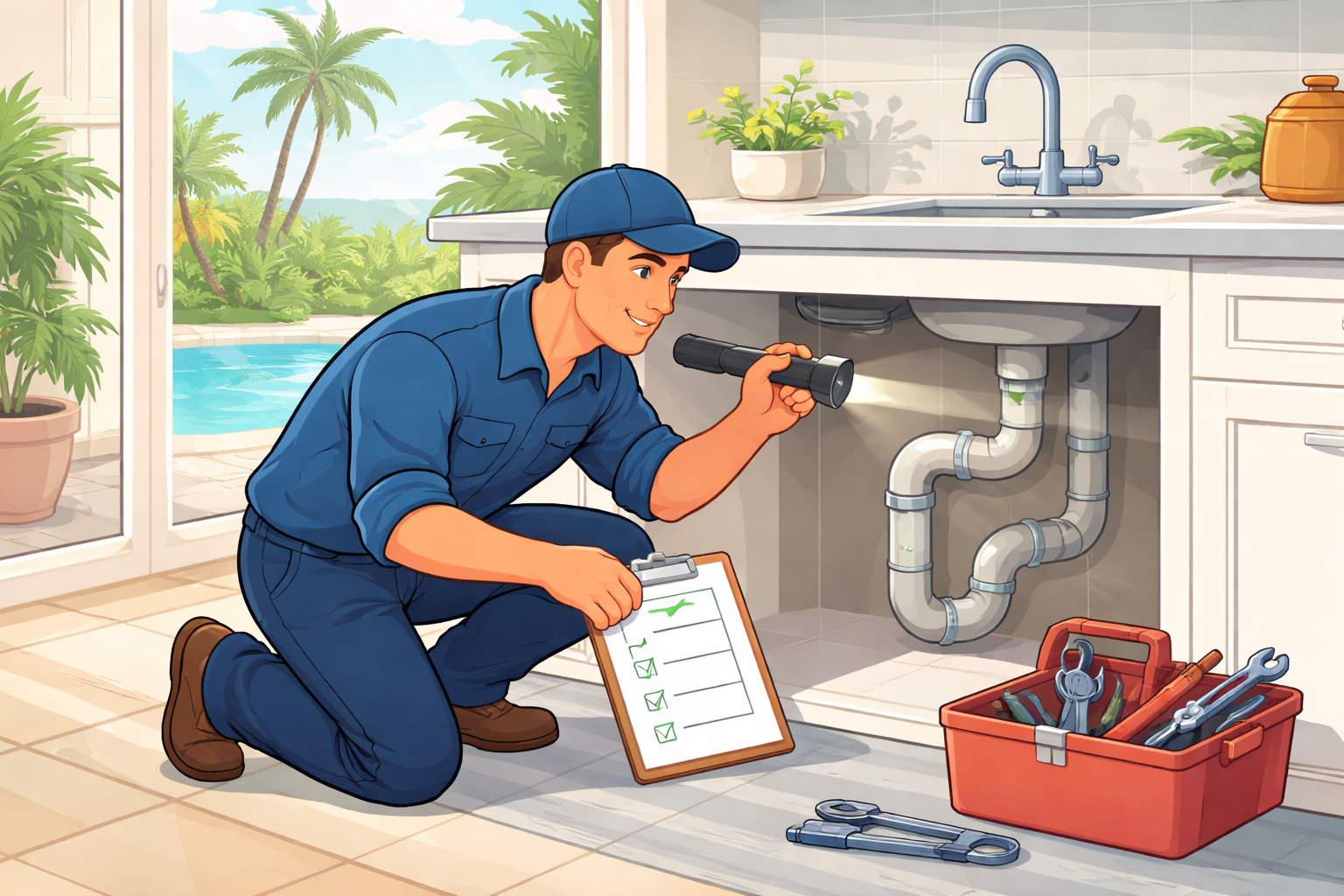
An annual plumbing inspection is a comprehensive evaluation of your home’s entire plumbing system. Instead of waiting for something to go wrong, a licensed plumber proactively checks for issues that may not yet be visible.
What Gets Checked During an Inspection?
A professional inspection typically includes:
- Pipes and fittings for leaks or corrosion
- Water pressure levels throughout the home
- Drain performance and potential blockages
- Fixtures such as sinks, toilets, and showers
- Water heater condition and efficiency
- Sewer line health (if applicable)
This process helps identify both current problems and early warning signs before they escalate into expensive repairs.
Why Plumbing Inspections Matter in South Florida
South Florida homes face specific plumbing risks that make regular inspections even more important.
Climate and Humidity Impact
High humidity levels can accelerate pipe corrosion and contribute to mold growth if leaks go unnoticed. Even a small hidden leak can quickly turn into a larger issue in this environment.
Older Homes and Aging Pipes
Many homes in the area were built decades ago, often with outdated plumbing materials. Over time, these pipes can deteriorate, increasing the risk of leaks, water damage, and reduced efficiency.
Hard Water and Mineral Buildup
Mineral-rich water can lead to scale buildup inside pipes and appliances. This reduces water flow and puts extra strain on your system, making routine checks essential.
The Real Cost of Skipping Inspections
It’s easy to overlook plumbing maintenance—until something goes wrong. Unfortunately, small issues rarely stay small.
Hidden Leaks Can Drain Your Wallet
Leaks behind walls or under floors often go unnoticed until they cause visible damage. In many cases, homeowners only discover the issue after seeing a sudden spike in their water bill. If you’ve ever wondered whether your rising costs could be tied to a hidden issue, it’s worth understanding the common causes of a sudden increase in water bills due to leaks.
Structural Damage Adds Up Quickly
Water damage can weaken walls, flooring, and even your home’s foundation. What starts as a minor drip can lead to thousands of dollars in repairs.
Emergency Repairs Are More Expensive
When plumbing problems escalate, they often require urgent attention. Emergency services typically cost more and may involve extensive repairs that could have been avoided with early detection.
Key Benefits of Annual Plumbing Inspections
Regular inspections aren’t just about preventing disasters—they offer long-term advantages that make homeownership easier and more cost-effective.
Early Problem Detection
A trained plumber can spot issues you might miss, such as slow leaks, pressure irregularities, or developing clogs. Catching these early keeps repairs simple and affordable.
If you’re unsure whether your home might already have an issue, it’s helpful to look for a warning signs of a hidden water leak inside your home.
Improved System Efficiency
When your plumbing system is in good condition, everything works more efficiently. This means better water pressure, faster drainage, and lower utility bills.
Extended Lifespan of Plumbing Components
Routine maintenance reduces wear and tear on pipes, fixtures, and appliances. Over time, this helps extend the life of your entire system.
Peace of Mind
There’s real value in knowing your home is protected from unexpected plumbing issues. An inspection gives you confidence that everything is functioning properly.
Common Issues Found During Inspections
Many homeowners are surprised by what plumbers uncover during routine checks.
Minor Leaks
Even small leaks can waste significant amounts of water over time. These are often found in connections, under sinks, or behind walls.
Slow or Clogged Drains
Drain issues don’t always cause immediate problems but can worsen over time. If left untreated, they may lead to backups or pipe damage. Professional drain cleaning services can prevent these situations from escalating.
Water Heater Wear
Sediment buildup inside water heaters can reduce efficiency and shorten lifespan. Regular inspections help ensure your unit continues to operate safely.
Pressure Problems
Water pressure that is too high or too low can damage pipes and fixtures. A plumber can adjust and correct these issues during an inspection.
When Should You Schedule an Inspection?
Timing matters when it comes to plumbing maintenance.
Once a Year Is Ideal
For most homeowners, scheduling an inspection once a year is enough to keep things in check.
Before or After Hurricane Season
In South Florida, it’s smart to schedule inspections before or after hurricane season. Heavy rains and storms can put extra stress on your plumbing system.
When Buying or Selling a Home
An inspection is also valuable during real estate transactions. It helps identify potential issues that could affect property value or negotiations.
Signs You Shouldn’t Wait for an Annual Check
While yearly inspections are recommended, certain warning signs mean you should act sooner.
Unexplained Water Bill Increases
A sudden spike in your water bill often points to an unseen leak or inefficiency.
Slow Drains or Frequent Clogs
Recurring drainage problems may indicate deeper issues within your plumbing system.
Damp Spots or Musty Odors
These can signal hidden leaks or moisture buildup behind walls or under floors.
Noisy Pipes or Low Water Pressure
Unusual sounds or inconsistent pressure are signs that something isn’t functioning correctly.
Is an Annual Plumbing Inspection Worth the Cost?
Many homeowners hesitate because of the upfront cost. However, when you compare it to the potential expense of major repairs, the value becomes clear.
Cost vs. Savings
- A routine inspection is relatively affordable
- Emergency repairs and water damage restoration can be costly
- Preventative maintenance reduces long-term expenses
In most cases, the money saved by avoiding a single major issue far outweighs the cost of annual inspections.
DIY Checks vs Professional Inspections
You can perform basic checks at home, such as:
- Looking for visible leaks
- Monitoring water pressure
- Checking under sinks for moisture
However, these steps only scratch the surface. Professional plumbers use specialized tools and experience to identify issues that aren’t visible to the average homeowner.
How to Get the Most Value From Your Inspection
To maximize the benefits of your annual inspection, consider the following:
Keep a Maintenance Record
Track past repairs, inspections, and any recurring issues. This helps your plumber identify patterns.
Address Small Issues Immediately
Don’t delay minor repairs. Fixing them early prevents larger problems.
Work With a Trusted Local Plumber
Choosing a reliable professional ensures thorough inspections and accurate recommendations. If you’re ready to take a proactive approach, you can easily request an estimate for your home from a trusted local plumbing service.
Final Thoughts
An annual plumbing inspection isn’t just another item on your home maintenance checklist—it’s a smart investment in your property’s long-term health. In a region like South Florida, where environmental factors can accelerate wear and tear, staying ahead of potential issues is essential.
By identifying problems early, improving system efficiency, and preventing costly emergencies, regular inspections provide real, measurable value. Instead of waiting for something to break, taking a proactive approach ensures your home remains safe, efficient, and comfortable year-round.