Plumbing problems rarely start as major emergencies. More often, they begin with a slow drip under the sink, a toilet that keeps running, a barely noticeable drop in water pressure, or a spike in your monthly utility bill that does not quite make sense. Left alone, those small issues can turn into water damage, mold, pipe deterioration, and expensive repair bills.
If you want to avoid expensive plumbing repairs in the future, the key is not waiting until something breaks. Preventive care, early detection, and smart maintenance habits can protect your home, reduce stress, and save you a significant amount of money over time. The best part is that most of the steps are straightforward once you know what to watch for.
This guide breaks down the most effective ways homeowners can prevent major plumbing issues before they become costly. Whether you have an older home, a growing family, or simply want to stay ahead of repairs, these practical strategies can help you keep your plumbing system in good shape for years to come.
Why Plumbing Repairs Get So Expensive
A plumbing repair usually becomes expensive when the original issue goes unnoticed or ignored for too long. A minor leak behind a wall might seem small at first, but over weeks or months, it can damage drywall, flooring, insulation, cabinets, and even the structure around it.
The same is true for clogged drains, corroded pipes, worn-out fixtures, and water pressure problems. What could have been a simple repair often turns into a bigger project once the damage spreads.
Small issues tend to grow quietly
Plumbing systems are mostly hidden behind walls, under floors, and inside cabinets. That makes it easy for problems to stay out of sight while damage continues in the background.
A loose pipe connection, for example, may leak slowly enough that you never notice it until staining appears, wood begins to warp, or mold starts to grow. By then, the repair is no longer just about fixing a pipe.
Emergency service usually costs more
When a pipe bursts at night or a backed-up drain starts flooding a bathroom, you are no longer dealing with routine maintenance. Emergency plumbing calls often involve faster response times, urgent containment, cleanup, and a more stressful repair process overall.
That is why prevention matters so much. Avoiding the emergency is almost always cheaper than dealing with one.
Pay Attention to Early Warning Signs
One of the best ways to avoid major plumbing expenses is to catch warning signs early. Homes almost always give clues before a serious plumbing failure happens.
If you get used to spotting those signs, you can act before the repair becomes more disruptive and more expensive.
Unusual water bills
A sudden increase in your water bill is one of the clearest signs that something may be wrong. If your usage habits have not changed but the cost has jumped, a hidden leak could be the reason.
In many cases, a water bill increase is one of the first clues homeowners notice before they ever see visible damage.
Damp spots, stains, or musty odors
Discoloration on ceilings or walls, warped baseboards, peeling paint, and persistent musty smells can all point to water leaking somewhere it should not.
These signs are easy to dismiss at first, especially if they seem minor. But they often signal moisture building up behind the surface, where it can cause much more serious damage over time.
Slow drains and recurring clogs
One slow drain may not sound like a big problem, but repeated clogs can point to a deeper blockage or an issue in the drain line itself. If more than one drain is affected, the problem may be larger than it appears.
Recurring drainage issues should not be treated as normal household annoyances. They often indicate buildup or developing pipe trouble that should be handled before it worsens.
Reduced water pressure
A drop in water pressure can happen for several reasons, including mineral buildup, pipe leaks, partially closed valves, or corrosion in older plumbing lines.
When the change is gradual, homeowners sometimes get used to it and stop noticing. But lower pressure can be a sign that something inside the system needs attention.
Schedule Regular Plumbing Inspections
Preventive inspections are one of the smartest investments a homeowner can make. Just like an HVAC tune-up or roof inspection, plumbing maintenance helps identify wear and tear before it leads to major repair work.
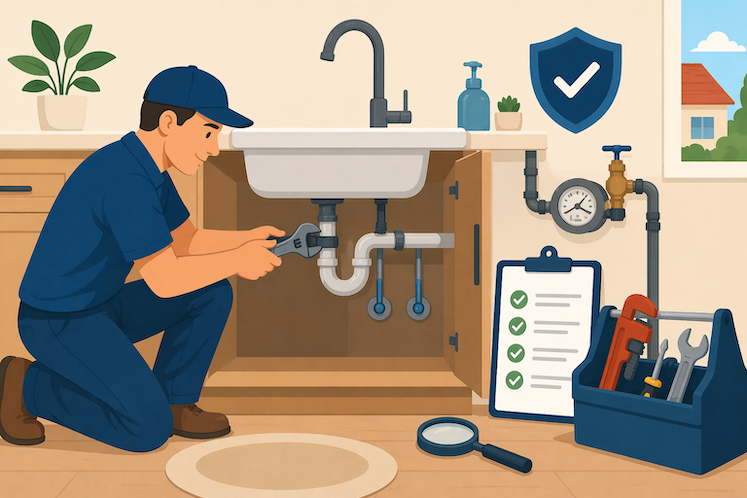
A professional plumber can spot warning signs that are easy to miss during day-to-day life. That includes minor leaks, pressure irregularities, aging shutoff valves, corrosion, fixture wear, and drain issues that have not yet become obvious.
A routine plumbing system inspection can help uncover small problems while they are still manageable and affordable.
What a plumbing inspection can catch
A thorough inspection may reveal:
- Leaks under sinks or behind fixtures
- Water heater issues
- Pipe corrosion
- Drainage concerns
- Weak water pressure
- Faulty supply lines
- Aging plumbing components nearing failure
How often should inspections happen?
For many homes, once a year is a good baseline. Older homes, properties with previous plumbing issues, or homes with aging pipes may benefit from more frequent checkups.
Regular inspections are especially useful before buying or selling a home, after a renovation, or when utility bills start creeping upward without a clear reason.
Fix Minor Leaks Right Away
A dripping faucet or small leak under a sink may seem harmless, but those are exactly the kinds of issues that become expensive when they are ignored.
Even a slow leak can waste a surprising amount of water and gradually damage surrounding materials. Cabinets swell, drywall weakens, flooring absorbs moisture, and mold can begin forming in hidden spaces.
Hidden leaks are often worse than visible ones
Visible leaks at least give you something to respond to. Hidden leaks, on the other hand, may continue for weeks or months before they are discovered.
That is why homeowners should learn the common hidden leak warning signs and act quickly when something feels off.
Quick action limits the damage
The earlier a leak is repaired, the smaller the job usually is. That often means the difference between replacing a fitting and replacing sections of drywall, flooring, or cabinetry along with it.
This is one of the most practical ways to keep plumbing costs under control over the long term.
Be Careful What Goes Down Drains
Many expensive plumbing repairs begin in the kitchen sink or bathroom drain. The trouble is that drain problems often develop slowly, so it is easy to miss the connection between everyday habits and long-term pipe issues.
In the kitchen
Grease, oil, coffee grounds, fibrous food scraps, and starchy waste should never go down the drain, even if you have a garbage disposal. These materials can cling to pipe walls, collect debris, and eventually form stubborn blockages.
Using a sink strainer and disposing of grease properly can help prevent buildup before it starts.
In the bathroom
Hair, soap residue, floss, wipes, and hygiene products are common causes of clogs. Even products labeled flushable can cause problems in household plumbing systems.
Drain care is not complicated, but consistency matters. Small habits add up, and better drain habits can prevent a lot of avoidable service calls.
Watch Your Water Pressure
High water pressure may feel great in the shower, but it can quietly strain your entire plumbing system. Pipes, valves, fittings, supply lines, and appliances all experience more wear when pressure is too high.
Over time, that extra stress can increase the risk of leaks, fixture failure, and shortened appliance life.
Why pressure matters
Excessive pressure can damage washing machine hoses, faucet cartridges, shutoff valves, and water heaters. It can also worsen weak points in older plumbing systems.
If you hear banging pipes, notice leaking fixtures, or feel that water comes out unusually forcefully, pressure may be higher than it should be.
What homeowners can do
A plumber can test the water pressure and determine whether a pressure-reducing valve is needed. This is a relatively small correction that can protect the whole system from unnecessary wear.
Maintain Your Water Heater
Water heaters are one of the hardest-working parts of any plumbing system, and they are often ignored until they stop delivering hot water. But like any appliance, they benefit from maintenance.
Sediment buildup, aging components, corrosion, and pressure issues can all shorten the life of a water heater and lead to more expensive repairs or early replacement.
Preventive water heater care matters
Routine maintenance may include flushing the tank, checking the anode rod, inspecting for corrosion, and making sure the unit is heating efficiently.
If your water heater is older or making unusual noises, it is worth having it checked before the problem gets worse.
A failing water heater can damage more than itself
When a water heater leaks or fails unexpectedly, it can damage surrounding flooring, walls, and stored belongings. That adds cleanup and restoration costs on top of the plumbing repair itself.
Staying ahead of water heater problems is one of the most effective ways to prevent a sudden and expensive household disruption.
Know the Age and Condition of Your Plumbing
Many homeowners do not know how old their plumbing system is, what materials were used, or whether previous repairs were done properly. That lack of information can make it harder to catch problems early.
If your home is older, it is worth learning more about the condition of the pipes, fixtures, shutoff valves, and drain lines.
Older materials may need more attention
Some older plumbing materials are more prone to corrosion, leaks, or reduced flow over time. If your home has aging galvanized pipes, worn valves, or outdated connections, proactive planning matters.
Waiting until those parts fail often leads to more urgent and expensive work.
Replacement planning can save money
Not every older pipe needs immediate replacement. But knowing what is aging gives you the chance to budget, prioritize, and replace components before failure causes damage.
That is always better than being forced into emergency repair decisions.
Do Not Ignore Outdoor Plumbing
Homeowners often focus on indoor leaks and fixtures, but outdoor plumbing can create major problems too. Hose bibs, irrigation lines, outdoor drains, and exposed piping all deserve attention.
A leak outside may not show up as quickly as one inside, but it still wastes water and can still lead to larger repair needs.
Common outdoor risks
Watch for:
- Dripping hose spigots
- Wet patches in the yard
- Irrigation zones that stay soggy
- Poor drainage near the foundation
- Exposed pipes showing wear or corrosion
Outdoor water problems can also affect the home’s foundation if drainage is poor or water consistently pools near the structure.
Use Quality Repairs, Not Temporary Fixes
When something does go wrong, it can be tempting to look for the fastest or cheapest workaround. In some cases, that approach ends up costing more.
Patch jobs, temporary sealants, and incomplete repairs often fail again because they do not address the actual cause of the problem.
A proper repair protects the bigger picture
Good plumbing work is about more than stopping one leak. It is about restoring safe function, preventing repeat issues, and protecting the rest of the system.
That is one reason quality home plumbing repairs can also support long-term property value. Buyers notice when a home has been well maintained.
Professional repairs reduce repeat costs
A skilled plumber can identify whether the visible problem is the real issue or just the symptom of something larger. That kind of diagnosis helps prevent repeat calls, recurring leaks, and avoidable damage.
Know When to Call a Professional
Some plumbing issues are fine to monitor for a day or two. Others should be addressed right away. Knowing the difference can save you a lot of money and frustration.
If you notice ongoing leaks, recurring drain issues, low water pressure, water stains, mold smells, or unexpected increases in your water bill, it makes sense to bring in a professional before the issue grows.
When that time comes, it is better to hire local plumber support early rather than waiting for a small issue to become an emergency.
Problems that should not wait
Call a plumber sooner rather than later if you have:
- Water stains on walls or ceilings
- Sudden drops in water pressure
- Repeated drain backups
- Leaks around the water heater
- Signs of mold or persistent moisture
- Unexplained water bill increases
- Burst pipes or active flooding
Smart Habits That Help Prevent Future Repairs
Preventing expensive plumbing repairs is not about doing one big thing. It is about building a few smart habits into normal home maintenance.
Keep an eye on monthly water usage
Reviewing your water bill each month can help you catch leaks early. If a bill rises unexpectedly, investigate it.
Check under sinks regularly
A quick look under kitchen and bathroom sinks can reveal moisture, corrosion, or slow leaks before they become serious.
Test shutoff valves
Knowing where your main shutoff valve is and making sure it works properly can make a huge difference during an emergency.
Do not postpone small repairs
If something starts leaking, draining slowly, or sounding unusual, deal with it early. Delayed repairs are often the most expensive ones.
FAQ: How to Avoid Expensive Plumbing Repairs
What is the best way to prevent major plumbing repairs?
The best approach is preventive maintenance. Annual inspections, fast leak repair, drain care, water pressure monitoring, and water heater maintenance all help catch small issues before they become expensive.
How do I know if I have a hidden plumbing leak?
Common signs include musty smells, stains on walls or ceilings, warped flooring, low water pressure, and unexplained increases in your water bill.
Are plumbing inspections worth it?
Yes. A plumbing inspection can identify leaks, corrosion, worn components, and other issues before they cause water damage or emergency repairs.
Can high water pressure damage plumbing?
Yes. Excessive water pressure can stress pipes, fittings, fixtures, and appliances, increasing the risk of leaks and early failure.
How often should I have my plumbing checked?
Once a year is a smart baseline for most homes. Older homes or homes with previous plumbing issues may need more frequent inspections.
Do small leaks really cause major damage?
They can. Even a slow leak can damage drywall, cabinets, flooring, and framing over time, especially if it goes unnoticed.
Final Thoughts
Avoiding expensive plumbing repairs in the future comes down to one simple principle: deal with small issues before they become big ones. Most major plumbing bills are not caused by random surprises. They are caused by warning signs that were easy to miss, easy to postpone, or easy to underestimate.
If you stay alert to changes in water pressure, drainage, moisture, and utility costs, and you keep up with routine plumbing maintenance, you can prevent many of the most expensive problems homeowners face. A little attention now can save you from a much bigger repair later.