Hard water is a daily frustration for many South Florida homeowners. From stubborn mineral stains on fixtures to reduced efficiency in appliances, the effects of untreated water can quietly add up over time. If you’ve noticed chalky residue on your faucets, dull laundry, or rising maintenance costs, you’re likely dealing with hard water issues that need attention.
In this guide, we’ll walk through everything you need to know about addressing hard water—how it impacts your home, why treatment matters, and what to expect when installing a softener system. Whether you’re upgrading your plumbing or simply trying to improve water quality, this article will help you make informed decisions.
Understanding Hard Water in South Florida
South Florida’s water supply naturally contains high levels of minerals like calcium and magnesium. While these minerals aren’t harmful to your health, they can create significant challenges within your plumbing system and home.
What Makes Water “Hard”?
Water becomes “hard” when it dissolves minerals from limestone and other deposits underground. The higher the mineral concentration, the harder the water.
Signs You’re Dealing with Hard Water
- White, chalky buildup on faucets and showerheads
- Soap that doesn’t lather easily
- Stiff, faded laundry after washing
- Dry skin and dull hair after showers
- Reduced water pressure over time
If any of these sound familiar, it’s worth exploring solutions before the problem worsens.
Why Hard Water Needs to Be Addressed
Ignoring hard water isn’t just inconvenient—it can lead to costly repairs and inefficiencies.
Impact on Plumbing Systems
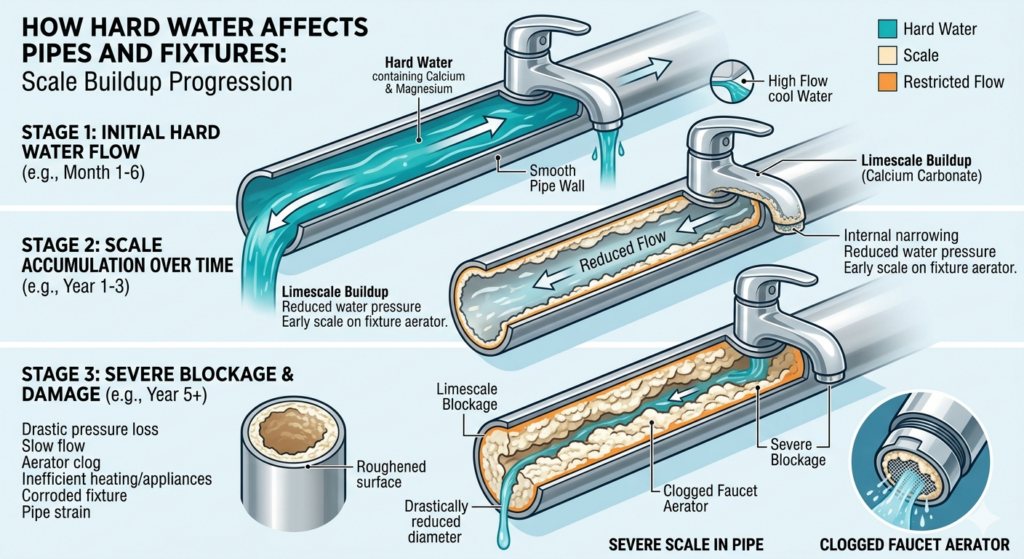
Mineral deposits gradually accumulate inside pipes, restricting water flow and increasing pressure on your plumbing. Over time, this buildup can lead to leaks or even pipe failure.
In fact, many homeowners dealing with recurring leaks or inefficiencies often discover underlying issues similar to those discussed in common plumbing problems .
Increased Utility Costs
Hard water reduces the efficiency of water heaters and appliances. When scale builds up inside these systems, they require more energy to function, leading to higher monthly bills.
If you’ve noticed a sudden high water bill, mineral buildup could be part of the problem.
Damage to Appliances
Dishwashers, washing machines, and water heaters are especially vulnerable. Mineral deposits shorten their lifespan and increase maintenance needs.
How Hard Water Affects Pipes and Fixtures
Mineral buildup doesn’t just stay hidden inside pipes—it affects every part of your water system.
Scale Buildup
Over time, calcium deposits form a hard layer known as scale. This layer reduces water flow and can cause clogs.
Corrosion Risks
While hard water itself doesn’t directly cause corrosion, the buildup it creates can trap moisture and accelerate wear in certain materials.
For a deeper understanding of how hard water affects pipes, it’s helpful to consider both the visible and hidden impacts throughout your system.
What Is a Water Softener and How Does It Work?
A water softener is one of the most effective ways to eliminate hard water issues.
The Basics of Water Softening
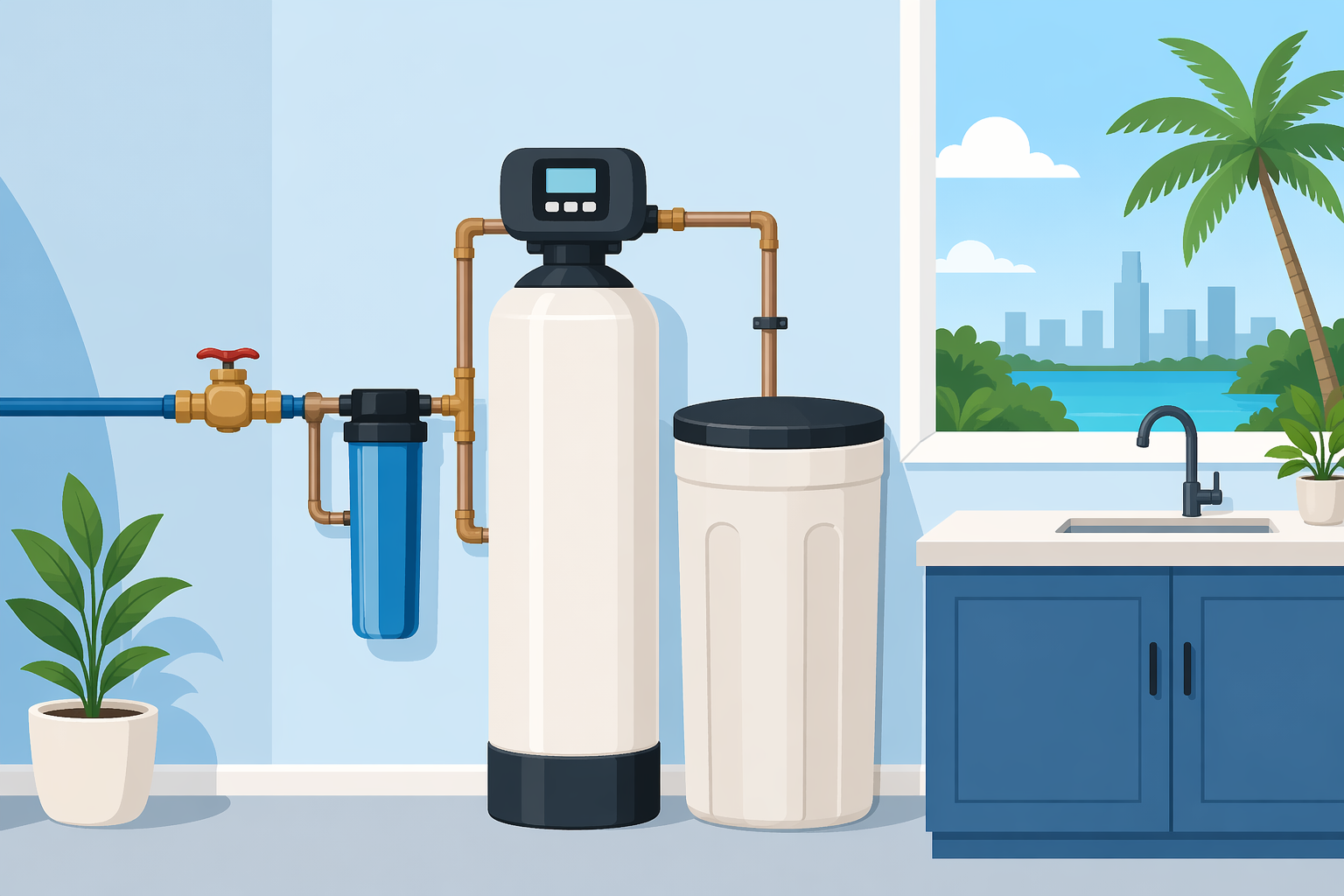
A water softener system works by removing calcium and magnesium ions from your water through a process called ion exchange. These minerals are replaced with sodium or potassium ions, resulting in softer water.
Key Components
- Resin Tank: Where the ion exchange process happens
- Brine Tank: Stores salt used for regeneration
- Control Valve: Manages the system’s operation
Benefits of Installing a Softener
- Improved water pressure
- Longer-lasting appliances
- Softer skin and cleaner laundry
- Reduced soap and detergent usage
Choosing the Right Hard Water Solution
Not every home requires the same approach. Selecting the right solution depends on your water quality, household size, and plumbing setup.
Types of Treatment Options
Salt-Based Softeners
These are the most common and effective systems for removing hardness minerals.
Salt-Free Systems
While they don’t remove minerals, they prevent scale buildup and are a low-maintenance alternative.
Dual-Tank Systems
Ideal for larger households, these systems provide continuous soft water without downtime.
When evaluating options, consider long-term performance, maintenance requirements, and installation costs.
The Installation Process: What to Expect
Installing a softener system is a straightforward process when handled by a professional.
Step-by-Step Overview
- Water Testing: Determines hardness level and system size
- System Selection: Based on household needs
- Installation: Typically completed in a few hours
- System Setup: Includes programming and initial testing
Why Professional Installation Matters
Improper installation can lead to leaks, inefficiencies, or even damage to your plumbing. Working with an expert plumber ensures the system is installed correctly and performs optimally from day one.
Maintenance Tips for Long-Term Performance
Once your system is installed, regular maintenance will keep it running smoothly.
Routine Care
- Refill salt levels in the brine tank
- Clean the system periodically
- Schedule annual inspections
Signs Your System Needs Attention
- Reduced water softness
- Salt bridging in the tank
- Unusual noises or performance issues
Proper maintenance extends the life of your system and ensures consistent water quality.
Cost Considerations and ROI
Many homeowners hesitate due to upfront costs, but the long-term savings often outweigh the initial investment.
Installation Costs
Costs vary depending on system type and installation complexity. However, most homeowners see a return on investment through:
- Lower energy bills
- Reduced appliance repairs
- Longer plumbing lifespan
Long-Term Value
Softened water helps protect your entire home, making it a smart financial decision over time.
Environmental and Health Considerations
While hard water isn’t harmful to drink, it can affect your daily comfort and environmental footprint.
Water Efficiency
Softened water requires less soap and detergent, reducing chemical usage and wastewater impact.
Skin and Hair Benefits
Many people notice softer skin and healthier hair after switching to treated water.
FAQs
1. What’s the quickest way to fix hard water at home?
Install a water softener to remove excess minerals.
2. How can I tell if my home has hard water?
Look for white residue, poor lather, and dry skin.
3. Can hard water damage my plumbing?
Yes, it causes buildup that reduces flow and efficiency.
4. How long does softener installation take?
Usually 2–4 hours with a professional.
5. Is a water softener worth the cost?
Yes, it saves money on repairs and energy over time.
Conclusion
Hard water is more than just a minor inconvenience—it’s a hidden issue that can impact your home’s efficiency, comfort, and long-term costs. By understanding the problem and investing in the right solution, you can protect your plumbing and improve your daily water experience.
Whether you’re noticing early warning signs or dealing with ongoing issues, taking action now can save you time, money, and frustration down the line. A well-installed and properly maintained system ensures your home benefits from cleaner, more efficient water for years to come.