
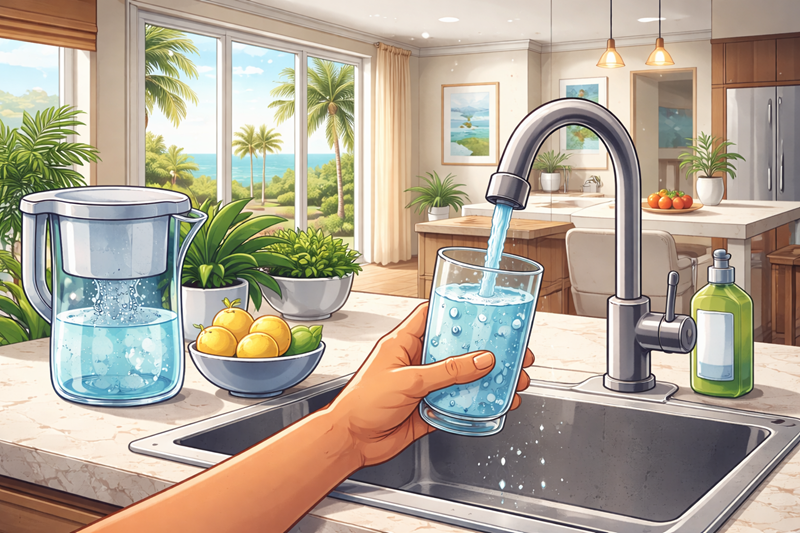
If you live in Homestead, chances are you’ve wondered at some point what’s really coming out of your faucet. The South Florida water quality report sheds light on the safety, composition, and treatment of local water—but most homeowners never read beyond the summary.
Understanding your water quality isn’t just about curiosity. It directly affects your health, plumbing system, and daily comfort. From mineral buildup to potential contaminants, what flows through your pipes can have long-term consequences if left unchecked.
In this guide, we break down what the South Florida water quality report actually reveals, what it means for homes in Homestead, and how to take control of your water quality with practical solutions.
What Is the South Florida Water Quality Report?
The South Florida water quality report is an annual document released by local water authorities. It provides a detailed breakdown of where your water comes from, what it contains, and whether it meets federal and state safety standards.
What the Report Typically Includes
- Source of drinking water (usually groundwater or aquifers)
- Levels of regulated contaminants
- Water treatment processes
- Compliance with EPA guidelines
- Potential health risks for sensitive groups
While the report often reassures residents that water is “safe,” it doesn’t always explain how those elements impact your home or plumbing system.
Where Homestead’s Water Comes From
In Homestead and surrounding areas, the primary water source is the Biscayne Aquifer—a shallow groundwater reservoir that supplies much of South Florida.
Why This Matters
Because the aquifer is close to the surface, it’s more vulnerable to:
- Agricultural runoff
- Industrial pollutants
- Saltwater intrusion
- Seasonal contamination
Even though water treatment facilities work to remove harmful substances, trace elements can still remain by the time water reaches your home.
What’s Actually in Your Tap Water?
Let’s break down some of the most common substances found in Homestead’s tap water based on typical South Florida water quality reports.
1. Chlorine and Disinfectants
Chlorine is added to kill bacteria and viruses. While effective, it can leave behind a strong taste and odor.
Impact on Your Home:
- Dry skin and hair
- Faded clothing
- Wear on rubber plumbing components
2. Hard Minerals (Calcium & Magnesium)
South Florida water is considered moderately hard due to naturally occurring minerals.
Impact on Your Home:
- Scale buildup in pipes
- Reduced appliance lifespan
- Soap scum on dishes and fixtures
3. Trace Metals (Lead, Copper)
These usually enter water through aging pipes rather than the water supply itself.
Impact on Your Home:
- Potential health concerns
- Metallic taste
- Pipe corrosion over time
4. Nitrates and Agricultural Runoff
Farming activities near Homestead can contribute to nitrate levels in groundwater.
Impact on Your Home:
- Risk for infants and pregnant women
- Long-term health concerns if levels rise
5. Microbial Contaminants
Though rare due to treatment, bacteria and microorganisms can still occasionally be detected.
Impact on Your Home:
- Gastrointestinal issues
- Need for additional filtration
Why “Safe” Doesn’t Always Mean Ideal
Water that meets federal safety standards isn’t necessarily perfect for daily use. Regulations allow certain levels of contaminants that may still:
- Affect taste and odor
- Damage plumbing over time
- Impact sensitive individuals
This is why many homeowners in Homestead choose to go beyond basic compliance and improve water quality at the household level.
Signs Your Water Quality Needs Attention
You don’t need a lab test to notice water issues. Here are some common red flags:
Visible Clues
- Cloudy or discolored water
- White residue on faucets
- Rust stains in sinks or tubs
Sensory Clues
- Strong chlorine smell
- Metallic or bitter taste
Plumbing Issues
- Frequent pipe leaks
- Reduced water pressure
- Appliance breakdowns
If you’re experiencing any of these, it’s worth investigating further.
The Hidden Impact on Your Plumbing System
Water quality doesn’t just affect what you drink—it directly influences your entire plumbing system.
Mineral Buildup and Scaling
Hard water deposits can accumulate inside pipes, restricting flow and increasing pressure. Over time, this leads to cracks and leaks.
Corrosion from Chemical Imbalance
Water with high acidity or chlorine levels can corrode metal pipes, causing internal damage that’s difficult to detect early.
Increased Risk of Leaks
Undetected leaks often stem from long-term exposure to poor water quality. If you suspect hidden issues, professional leak detection & repair can help identify and fix problems before they escalate.
Why Drains and Pipes Struggle in South Florida
South Florida homes face unique plumbing challenges due to water composition and environmental conditions.
For example, it’s no coincidence that drains clog more often in south florida homes. Mineral deposits, combined with grease and debris, create stubborn blockages that build up faster than in other regions.
Regular maintenance becomes essential—not optional—if you want to avoid recurring issues.
How to Improve Your Water Quality at Home
The good news is that you don’t have to rely solely on municipal treatment. There are several effective ways to improve water quality in your home.
1. Install a Whole-House Water Filter
These systems treat water as it enters your home, reducing:
- Chlorine
- Sediment
- Certain contaminants
2. Use a Water Softener
A softener removes excess calcium and magnesium, preventing scale buildup and improving appliance efficiency.
3. Add Point-of-Use Filters
Kitchen and bathroom filters provide an extra layer of protection for drinking and bathing water.
4. Schedule Regular Plumbing Inspections
Routine checks help identify early signs of corrosion, leaks, or buildup before they turn into costly repairs.
When to Call a Professional
While DIY solutions can help, some issues require expert attention. If you’re dealing with persistent water quality concerns, unusual plumbing behavior, or recurring leaks, it’s time to consult a professional.
Working with an expert plumber in homestead ensures:
- Accurate diagnosis of water-related issues
- Proper installation of filtration systems
- Long-term protection for your plumbing
A professional can also interpret your local water quality report and recommend tailored solutions for your home.
The Long-Term Benefits of Better Water Quality
Improving your water quality isn’t just about convenience—it’s an investment in your home and health.
Healthier Living
Cleaner water reduces exposure to unwanted chemicals and contaminants.
Lower Maintenance Costs
Preventing scale and corrosion extends the lifespan of pipes and appliances.
Better Daily Comfort
From smoother skin to cleaner dishes, high-quality water enhances everyday life in subtle but meaningful ways.
Last Step: Take Control of Your Water
The South Florida water quality report offers valuable insights, but it’s only the starting point. What matters most is how that information translates to your home in Homestead.
By understanding what’s in your water and taking proactive steps, you can protect your plumbing, improve your health, and avoid costly repairs down the line.
Clean, reliable water shouldn’t be a question mark. With the right approach, it can be something you trust every time you turn on the tap.