Plumbing problems can strike at any time, leaving homeowners wondering what’s worth fixing themselves and when to call a professional. From dripping faucets to unexpected leaks, understanding the basics of plumbing can save both time and money. Yet, even the most prepared homeowners often have questions before dialing a plumber. In this guide, we’ll cover the most common inquiries, providing practical answers and tips to help you make informed decisions.
When Should You Call a Plumber?
Knowing when to reach out to a professional can prevent small issues from becoming major repairs. Some homeowners hesitate, trying to troubleshoot problems themselves, but certain situations require immediate attention.
Signs of Serious Problems
Leaky pipes, unusual water pressure, and foul odors from drains are all warning signs. While minor clogs can sometimes be handled with a plunger, persistent blockages or leaks are best evaluated by a licensed plumber. Ignoring these issues can result in expensive repairs down the line. In fact, ignoring small leaks can escalate quickly into structural damage or mold problems, costing thousands in restoration.
Emergency Situations
Flooding, major pipe bursts, or sewage backups require immediate attention. Waiting too long can increase water damage and compromise home safety. Knowing when to call an emergency plumber is crucial for avoiding costly emergencies.
How Can You Identify Hidden Plumbing Issues?
Sometimes plumbing issues aren’t obvious. Hidden leaks or slow-developing problems can quietly damage your home over time.
Common Indicators
Signs like damp spots on walls, mold growth, or sudden increases in your water bill can point to underlying problems. Other subtle hints include unusual sounds in pipes, such as banging or hissing, and persistent low water pressure. If you notice any of these warning signs, it’s wise to investigate further. Learning the hidden water leak signs in your home can help catch issues early before they become severe.
DIY Inspections
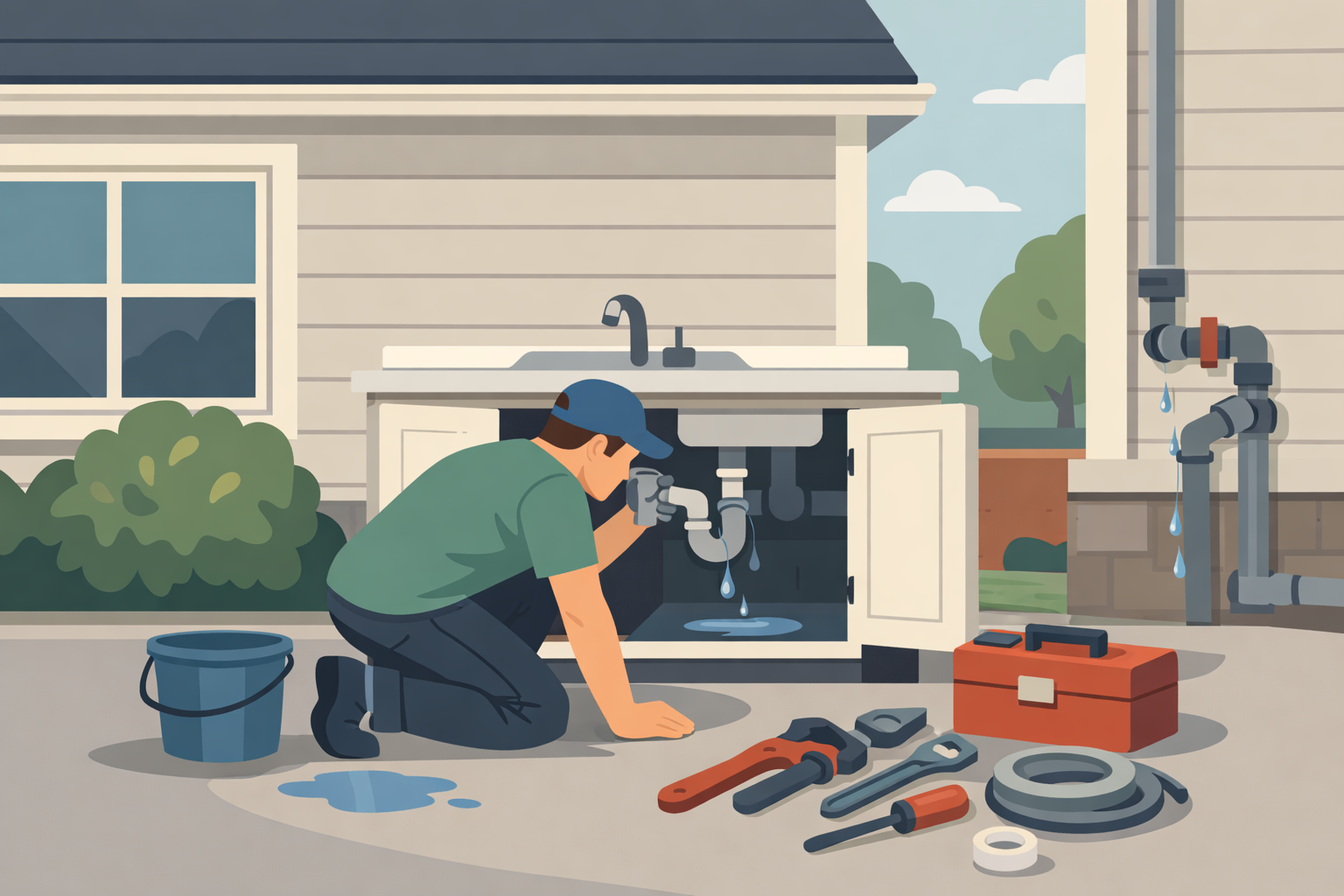
Homeowners can perform basic checks, like monitoring your water meter for unexplained usage or inspecting under sinks for puddles. These steps won’t replace professional evaluation but can provide useful insight before calling a plumber.
What Does a Plumber Charge?
Understanding plumbing costs helps homeowners budget appropriately and avoid surprises.
Service Call Fees
Most plumbers charge a service fee for house visits, typically ranging from $50 to $100. This fee covers the initial inspection and diagnosis. Be aware that rates can vary based on your location, the complexity of the issue, and the time of day.
Labor and Parts
Labor charges are usually billed hourly, with rates ranging from $75 to $200 per hour. Parts and materials are additional, depending on what needs repair or replacement. Always request a detailed estimate before work begins to avoid unexpected expenses.
Can Some Repairs Be DIY?
Many homeowners wonder if they can fix minor issues themselves to save money. Some tasks, like unclogging a drain or replacing a faucet washer, are manageable for those comfortable with basic tools. However, plumbing is deceptively complex, and even small mistakes can lead to bigger problems. When in doubt, calling a professional is often the safest and most cost-effective choice.
How Do You Choose the Right Plumber?
Selecting a trustworthy plumber is essential to ensure quality work and fair pricing.
Check Credentials
Ensure the plumber is licensed, insured, and experienced. Licensing verifies that they meet industry standards, while insurance protects you in case of accidents or property damage.
Look for Reviews and References
Online reviews and word-of-mouth recommendations provide insight into reliability and professionalism. Ask potential plumbers for references to confirm their track record.
Understand Service Scope
Some plumbers specialize in residential work, while others focus on commercial or emergency services. Verify that your plumber can handle the specific issue at hand.
How to Prepare Before the Plumber Arrives
Being prepared can speed up the repair process and reduce costs.
Gather Information
Note when the problem started, what you’ve observed, and any steps you’ve already taken. This helps the plumber diagnose the issue faster.
Clear the Area
Ensure the plumber has easy access to affected areas, whether it’s under a sink, behind a toilet, or in the basement. This minimizes delays and allows for a thorough inspection.
Common Homeowner Misconceptions
There are a few widespread myths about plumbing that can lead to mistakes or unnecessary spending.
Myth 1: All Leaks Are Minor
Even small leaks can cause serious damage over time, from mold growth to structural weakening. Addressing leaks promptly is critical, which is why knowing when to ignore small leaks is not advisable.
Myth 2: Plumbers Only Fix Pipes
Plumbers handle a range of tasks, including installing water heaters, repairing sewer lines, and maintaining sump pumps. Understanding the scope of their work can help you use their services more effectively.
Myth 3: DIY Saves Money
While some minor fixes are feasible, improper repairs can lead to costlier issues later. Professional expertise ensures long-term reliability.
Tips to Reduce Plumbing Problems
Prevention is always better than repair. Simple steps can minimize future issues and extend the life of your plumbing.
Regular Maintenance
Inspect faucets, drains, and pipes periodically. Replacing worn washers, checking seals, and cleaning out debris helps prevent leaks and clogs.
Mind What Goes Down Drains
Avoid flushing grease, coffee grounds, or foreign objects. These can accumulate and block pipes over time, requiring professional removal.
Monitor Water Pressure
Excessive water pressure strains pipes and can lead to bursts. Consider installing a pressure regulator if your water system lacks one.
Final Thoughts
Home plumbing can be complicated, but knowing what questions to ask and when to call a professional makes all the difference. From recognizing hidden leaks to understanding costs and choosing the right plumber, being proactive protects your home and wallet. By staying informed and prepared, homeowners can prevent small plumbing issues from turning into major headaches.