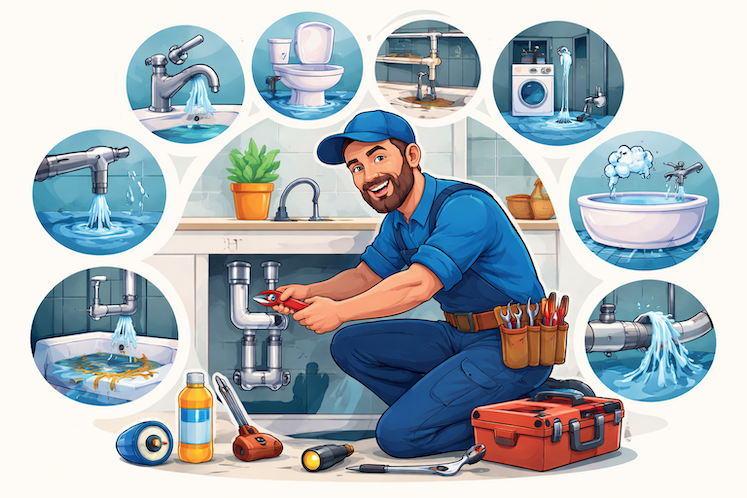
Plumbing problems are something every homeowner deals with at some point. From dripping faucets to clogged drains, these issues can start small but quickly turn into expensive repairs if ignored. Understanding the most common plumbing problems—and how to fix them—can save you time, money, and stress.
In this guide, we’ll walk through the most frequent plumbing issues homeowners face and offer practical solutions you can try before calling in a professional. And when a problem goes beyond DIY, knowing when to act fast is just as important.
Why Plumbing Issues Shouldn’t Be Ignored
Even minor plumbing problems can lead to bigger complications. A slow leak can damage walls and flooring, while a clogged pipe can eventually cause backups or flooding. Regular maintenance and early detection are key to keeping your plumbing system running smoothly.
If you ever feel unsure about the severity of an issue, it’s always best to Get A Free Estimate and avoid costly surprises later.
1. Dripping Faucets
A dripping faucet might seem harmless, but it wastes gallons of water over time and increases your utility bill.
How to Fix It
Most of the time, the issue is caused by a worn-out washer or O-ring. Turning off the water supply, disassembling the faucet, and replacing the faulty part usually solves the problem.
If the dripping continues, it could indicate deeper wear inside the fixture, which may require replacement.
2. Slow or Clogged Drains
Clogged drains are one of the most common household plumbing issues, especially in kitchens and bathrooms.
Common Causes
- Hair buildup
- Grease and food waste
- Soap residue
How to Fix It
Start with a plunger or a drain snake. For mild clogs, a mixture of baking soda and vinegar can help break down debris.
Avoid chemical drain cleaners, as they can damage your pipes over time. If clogs keep returning, it might be time to consider a professional inspection, such as a camera inspection to detect hidden plumbing problems.
3. Running Toilets
A running toilet can waste a significant amount of water daily and quickly raise your water bill.
How to Fix It
Open the tank and check the flapper valve. If it’s worn or not sealing properly, replacing it is usually a simple and inexpensive fix.
Also, ensure the float is set at the correct level to prevent continuous water flow.
4. Low Water Pressure
Low water pressure can make everyday tasks frustrating, from showering to washing dishes.
Possible Causes
- Mineral buildup in pipes
- Leaks in the system
- Faulty pressure regulators
How to Fix It
Clean faucet aerators and showerheads to remove mineral deposits. If the issue persists throughout your home, it may point to a larger plumbing problem that needs professional attention.
5. Leaky Pipes
Leaky pipes are more serious than they appear. Even small leaks can lead to mold growth, water damage, and structural issues.
How to Fix It
Temporary fixes like pipe tape or epoxy can stop minor leaks. However, these are short-term solutions.
For long-term protection, replacing damaged sections of pipe is the safest approach. If you suspect hidden leaks, don’t delay—early detection prevents costly repairs.
6. Water Heater Problems
Few things are more frustrating than running out of hot water.
Common Issues
- Sediment buildup
- Faulty thermostat
- Aging water heater
How to Fix It
Flushing your water heater annually can remove sediment buildup. If your unit is over 8–10 years old, it may be time to consider an upgrade.
Upgrading your system can improve efficiency and performance. Many homeowners explore options like a modern plumbing upgrade to avoid recurring issues.
7. Burst Pipes
Burst pipes are one of the most serious plumbing emergencies. They can cause flooding and extensive property damage within minutes.
What to Do Immediately
- Shut off the main water supply
- Turn off electricity if necessary
- Call a professional plumber right away
If you’re in an area prone to pipe damage, it’s helpful to understand the risks and solutions related to burst pipes in Homestead FL and similar conditions.
8. Sewer System Backup
A sewer backup is not only unpleasant but also a serious health hazard.
Warning Signs
- Multiple drains clogging at once
- Foul odors
- Gurgling noises from pipes
How to Fix It
This is not a DIY situation. Sewer problems require professional tools and expertise.
Learning the early signs of underground vs indoor sewer problems warning signs to watch can help you act before the issue escalates.
9. Faulty Fixtures
Old or damaged fixtures can cause leaks, inefficiency, and inconsistent water flow.
How to Fix It
Replacing outdated fixtures is often the best solution. Modern fixtures are designed to be more water-efficient and durable.
Upgrading fixtures not only improves performance but also enhances the overall look of your home.
10. Noisy Pipes
If you hear banging or rattling sounds when turning on water, you’re likely dealing with “water hammer.”
How to Fix It
This happens when water flow suddenly stops, causing pressure shock in the pipes. Installing water hammer arrestors or securing loose pipes can resolve the issue.
Ignoring noisy pipes can lead to long-term damage, so it’s best to address the problem early.
When to Call a Professional Plumber
While many plumbing issues can be handled with simple fixes, some situations require expert attention. Persistent leaks, recurring clogs, or signs of sewer problems should never be ignored.
A professional plumber has the tools and experience to diagnose problems accurately and prevent further damage.
Preventing Plumbing Problems Before They Start
Prevention is always better than repair. Here are a few simple habits to keep your plumbing system in top condition:
- Avoid pouring grease down the drain
- Use drain screens to catch debris
- Check for leaks regularly
- Schedule routine plumbing inspections
- Flush your water heater annually
These small steps can significantly reduce the risk of major plumbing issues.
Final Thoughts
Plumbing problems are a part of homeownership, but they don’t have to be overwhelming. By understanding the most common issues and how to address them, you can handle minor repairs confidently and know when it’s time to call in a professional.
Staying proactive with maintenance and acting quickly when problems arise will protect your home and save you money in the long run.