A failing main line is one of the most disruptive plumbing issues any commercial property can face in hub of south florida. From unexpected downtime to expensive repairs, ignoring early warning signs can quickly turn a manageable situation into a full-scale emergency. If you manage or own a business property, understanding when your system is under stress can save both time and money.
This guide breaks down the most critical signs that your commercial main line may be on the brink of failure—and what you should do next to stay ahead of costly damage.
Why Your Commercial Main Line Matters
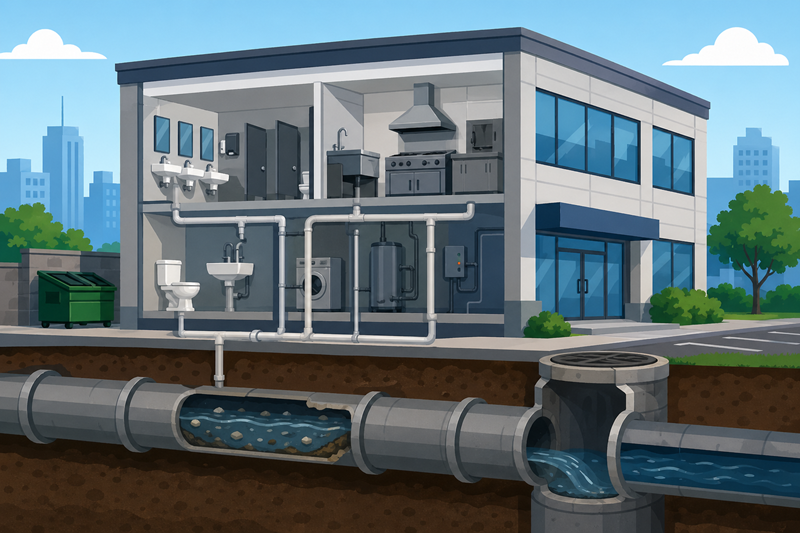
Your main line is the backbone of your building’s plumbing system. It carries wastewater away from your property and connects your entire operation to the municipal sewer system. When it fails, everything—from restrooms to kitchens—can grind to a halt.
Unlike smaller plumbing issues, main line problems escalate fast. That’s why early detection and proactive care are essential.
1. Frequent Drain Backups Across the Building
What It Means
If multiple drains in your property are backing up at the same time, it’s rarely a coincidence. This is one of the clearest signs of a deeper issue within your main line.
What to Watch For
- Toilets gurgling when sinks are used
- Water backing up in unexpected fixtures
- Slow drainage in multiple areas
When these symptoms appear together, they often point to underlying sewer problems that require immediate attention.
Why It Happens
Blockages caused by grease, debris, or tree roots can restrict flow, eventually leading to system-wide backups.
2. Persistent Unpleasant Odors
What It Means
A properly functioning plumbing system should never emit foul smells. If your commercial space smells like sewage, your main line may be compromised.
Common Causes
- Cracks or leaks in the pipe
- Sewer gas escaping due to blockages
- Broken seals or venting issues
Why It’s Serious
Odors are more than just unpleasant—they can indicate hazardous conditions and potential health risks for employees and customers.
3. Sudden Increase in Repair Needs
What It Means
If you’re calling a plumber more often than usual, it may not be a coincidence. Repeated minor issues often signal a larger problem developing within your system.
Signs to Notice
- Frequent clogs despite regular cleaning
- Recurring leaks in different areas
- Increased maintenance costs
At this stage, investing in preventative care like commercial plumbing maintenance can help identify the root cause before it escalates further.
The Bigger Picture
Small repairs are often symptoms—not solutions. Without addressing the main line, problems will keep returning.
4. Water Pooling Around Your Property
What It Means
Unexplained puddles or soggy patches around your building could indicate a leaking or broken main line underground.
What to Look For
- Wet spots in landscaping without recent rain
- Sinkholes or soft ground areas
- Sudden lush patches of grass
Why It Happens
Cracked or collapsed pipes allow wastewater to seep into the surrounding soil. Over time, this can weaken the ground and damage your property’s foundation.
Call For Emergency: (786) 709-0426
5. Aging Infrastructure and Environmental Stress
What It Means
Older plumbing systems are naturally more vulnerable to failure, especially when combined with environmental factors.
Risk Factors
- Corroded or outdated piping materials
- Heavy rainfall or flooding conditions
- Increased usage over time
For businesses in high-risk areas, proper hurricane season prep is essential to prevent sudden system overloads and damage.
Why Timing Matters
Even if your system hasn’t failed yet, aging infrastructure is a ticking clock. Preventative inspections can help you plan upgrades before emergencies occur.
The Cost of Ignoring Warning Signs
Delaying action can lead to:
- Complete system failure
- Business interruption and lost revenue
- Structural damage to your property
- Expensive emergency repairs
Understanding the main drain cleaning cost early can help you budget for maintenance instead of reacting to emergencies.
When to Call a Professional
If you notice any of the signs above, it’s time to act. Waiting only increases the risk of damage.
A professional inspection can:
- Identify blockages or structural issues
- Use advanced tools like camera inspections
- Provide targeted solutions instead of temporary fixes
If you’re searching for reliable plumbing services near me, it’s important to choose experts experienced in commercial systems.
When the situation becomes urgent, don’t hesitate to reach out for emergency plumbing services to prevent further damage and restore operations quickly.
Preventative Measures That Actually Work
Regular Inspections
Schedule routine checks to catch issues early.
Proper Waste Management
Avoid disposing of grease, solids, or non-flushable materials in drains.
Upgrade Old Systems
Replace aging pipes before they fail completely.
Monitor Usage Patterns
Unusual spikes in water usage can signal hidden leaks or inefficiencies.
Invest in Professional Maintenance
Consistent upkeep is far more cost-effective than emergency repairs.
Final Sign
Your commercial main line in south florida doesn’t fail overnight—it gives warning signs. The key is recognizing them early and taking action before the situation spirals out of control.
By staying proactive and addressing issues at the first sign of trouble, you protect your business, your property, and your bottom line.
FAQs
1. What causes commercial main line failure?
Blockages, corrosion, tree roots, and aging pipes are the most common causes.
2. How often should a main line be inspected?
At least once a year for commercial properties.
3. Can main line issues affect multiple drains?
Yes, widespread drain problems often indicate a main line issue.
4. Is foul odor always a sign of a main line problem?
Not always, but persistent sewage smells should never be ignored.
5. How quickly should I act on warning signs?
Immediately—delays can lead to costly damage and downtime.