Most homeowners do not think much about their plumbing system until something goes wrong. A leaking pipe, clogged drain, sewer backup, or broken water heater usually gets immediate attention because the damage becomes impossible to ignore. The problem is that by the time plumbing issues become obvious, repairs are often far more expensive than they could have been earlier.
Preventive plumbing maintenance helps homeowners avoid costly emergencies, reduce water waste, extend the lifespan of plumbing systems, and protect property value long-term. In places like South Florida, where humidity, heavy rainfall, aging infrastructure, and mineral-rich water can affect residential plumbing systems faster, preventive care becomes even more important.
Many plumbing problems start small and slowly worsen over time. Regular inspections and maintenance help identify hidden issues before they turn into expensive repairs that disrupt daily life.
This guide explains why preventive plumbing saves money long-term and why homeowners who stay proactive often spend far less on repairs over the years.
What Preventive Plumbing Actually Means
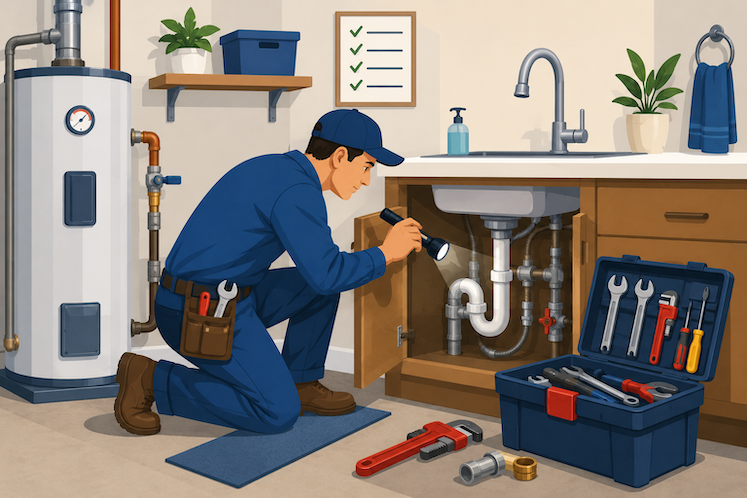
Preventive plumbing focuses on maintaining plumbing systems before major failures happen.
Instead of waiting for leaks, backups, or pipe bursts, homeowners schedule inspections, clean drains regularly, monitor water pressure, and address minor plumbing concerns early.
Preventive maintenance may include:
- Drain cleaning
- Leak inspections
- Water heater flushing
- Sewer line inspections
- Pipe assessments
- Water pressure testing
- Fixture maintenance
- Valve inspections
These routine services help identify hidden wear before plumbing systems fail unexpectedly.
Small Plumbing Problems Become Expensive Quickly
One of the biggest reasons preventive plumbing saves money is because minor issues tend to worsen gradually over time.
A slow leak under a sink may not seem serious initially, but months later it can lead to:
- Cabinet damage
- Mold growth
- Higher water bills
- Floor damage
- Structural repairs
Similarly, slow drains often indicate deeper blockages developing inside the plumbing system.
Ignoring early warning signs usually increases repair complexity and overall costs.
Water Damage Repairs Are Extremely Expensive
Water damage spreads fast inside homes.
Even relatively small leaks can damage:
- Drywall
- Flooring
- Baseboards
- Insulation
- Electrical systems
- Furniture
The cost of repairing water damage often exceeds the original plumbing repair itself.
Routine plumbing inspections help detect leaks early before moisture spreads behind walls or beneath flooring.
Preventive Plumbing Reduces Emergency Repairs
Emergency plumbing services are typically far more expensive than scheduled maintenance visits.
After-hours repairs, weekend emergencies, and severe water damage situations often require urgent labor, restoration work, and sometimes temporary housing adjustments.
Preventive plumbing helps reduce the likelihood of emergencies such as:
- Burst pipes
- Sewer backups
- Water heater failures
- Slab leaks
- Overflowing toilets
- Major drain clogs
Many homeowners only realize how costly plumbing emergencies become after experiencing one firsthand.
Lower Water Bills Over Time
Leaking fixtures and hidden plumbing issues can quietly increase monthly water bills for long periods without homeowners noticing immediately.
Common sources of wasted water include:
- Running toilets
- Dripping faucets
- Underground leaks
- Faulty irrigation connections
- Aging pipe joints
Even small leaks can waste thousands of gallons annually.
Routine inspections help identify inefficient fixtures and hidden water loss before utility bills rise significantly.
Pipe Maintenance Extends Plumbing Lifespan
Pipes naturally wear down over time.
Corrosion, mineral buildup, shifting soil, humidity, and aging materials slowly weaken plumbing systems. Preventive maintenance helps homeowners monitor pipe condition and replace sections before widespread failures occur.
In South Florida especially, environmental conditions can shorten plumbing system lifespan faster than many homeowners expect. Pipe material, water quality, and climate all influence long-term durability.
Pipe Material Matters
Not all plumbing materials age the same way.
Many homeowners upgrading plumbing systems eventually compare modern materials with older piping systems to improve efficiency and reduce future maintenance costs. Differences between materials like copper and flexible piping systems continue influencing replacement decisions across residential homes.
Choosing durable materials combined with routine maintenance can significantly reduce long-term plumbing expenses.
Preventive Drain Cleaning Protects Sewer Systems
Slow drains are often one of the first signs of larger plumbing issues developing underground.
Grease buildup, soap residue, hair, debris, and invasive tree roots can slowly restrict sewer flow over time.
Preventive drain cleaning helps:
- Improve drainage performance
- Reduce foul odors
- Prevent recurring clogs
- Minimize sewer backups
- Extend pipe lifespan
Ignoring drainage problems can eventually lead to major sewer line repairs.
Tree Roots Cause Serious Sewer Damage
In many Florida neighborhoods, tree root intrusion becomes a hidden plumbing threat.
Roots naturally seek moisture and can enter tiny cracks inside underground sewer lines. Over time, they expand and create severe blockages or pipe damage.
Many homeowners only discover this issue after experiencing repeated drain problems or sewage backups.
Preventive sewer inspections help identify these problems earlier before major excavation becomes necessary.
Water Heater Maintenance Prevents Early Failure
Water heaters work continuously throughout the year, but many homeowners rarely maintain them.
Sediment buildup inside tanks reduces efficiency and forces the system to work harder over time.
Without maintenance, water heaters may experience:
- Reduced heating performance
- Rising energy costs
- Tank corrosion
- Leaks
- Premature system failure
Routine flushing and inspections help improve efficiency while extending the unit’s lifespan.
Replacing a failed water heater unexpectedly is usually far more expensive than maintaining it regularly.
Preventive Plumbing Helps Protect Property Value
Homebuyers increasingly pay attention to plumbing condition during inspections.
Recurring plumbing issues, outdated piping, water damage history, or sewer problems can negatively affect property value and delay real estate transactions.
Preventive plumbing helps maintain:
- Plumbing reliability
- Structural integrity
- Water efficiency
- Inspection readiness
- Long-term resale appeal
Well-maintained plumbing systems give buyers greater confidence during property evaluations.
Older Homes Need More Preventive Plumbing Attention
Aging homes often contain older plumbing systems that become more vulnerable to leaks, corrosion, and material failure.
Galvanized steel pipes, aging copper systems, and outdated sewer lines may require closer monitoring as homes age.
Older homes may also face:
- Pipe scaling
- Reduced water pressure
- Joint deterioration
- Sewer line shifting
- Fixture wear
Routine inspections help homeowners prioritize repairs gradually instead of facing sudden system-wide failures.
South Florida Homes Face Unique Plumbing Challenges
Florida’s environment creates unique plumbing conditions that increase the importance of preventive maintenance.
Factors affecting plumbing systems include:
- High humidity
- Heavy rainstorms
- Salt air exposure
- Sandy soil movement
- Hard water minerals
- Frequent storm activity
These conditions can accelerate corrosion and increase wear on underground plumbing systems.
Homeowners who stay proactive typically experience fewer emergency plumbing situations over time.
Seasonal maintenance becomes especially valuable in coastal regions where environmental stress affects pipes more aggressively.
Preventive Plumbing Improves Household Efficiency
Efficient plumbing systems help reduce:
- Water waste
- Energy usage
- Appliance strain
- Utility expenses
Small inefficiencies often go unnoticed until they start affecting monthly expenses.
Preventive maintenance helps optimize system performance throughout the home.
Better Water Pressure and Flow
Mineral buildup and aging pipes can gradually reduce water pressure.
Routine inspections help identify restrictions before flow problems worsen significantly.
Consistent water pressure also reduces strain on appliances and fixtures connected to the plumbing system.
Preventive Maintenance Creates Predictable Costs
One major financial advantage of preventive plumbing is cost predictability.
Emergency repairs often happen unexpectedly and require immediate spending.
Preventive maintenance allows homeowners to:
- Budget for upgrades gradually
- Plan repairs strategically
- Avoid surprise emergencies
- Reduce major restoration costs
Long-term maintenance usually costs far less than sudden large-scale plumbing failures.
Common Preventive Plumbing Services Homeowners Should Schedule
Annual Plumbing Inspections
A yearly inspection helps identify early signs of wear, leaks, or drainage issues.
Professional plumbers can evaluate:
- Pipe condition
- Water pressure
- Fixture performance
- Water heater efficiency
- Drainage systems
Drain Cleaning
Routine drain cleaning helps prevent buildup that can eventually lead to backups.
This is especially important in kitchens and bathrooms where debris accumulates gradually.
Water Heater Flushing
Flushing removes sediment that reduces efficiency and damages heating systems over time.
Sewer Camera Inspections
Camera inspections help detect underground pipe issues before major blockages or collapses occur.
This service becomes especially valuable for older homes or properties with large trees nearby.
Preventive Plumbing Is an Investment, Not an Expense
Some homeowners delay maintenance because plumbing systems appear to work normally.
The reality is that plumbing problems often develop silently for months or even years before visible damage appears.
Preventive maintenance protects homes from:
- Expensive emergencies
- Water damage
- Mold growth
- Utility waste
- Premature replacements
In many cases, the money spent on preventive plumbing saves homeowners significantly more over the long term.
Stay Ahead of Plumbing Problems Before They Grow
Waiting for plumbing issues to become emergencies almost always increases repair costs.
Preventive maintenance helps homeowners protect their property, reduce long-term expenses, and avoid unnecessary stress caused by sudden plumbing failures.
Regular inspections, drain cleaning, pipe monitoring, and water heater maintenance all contribute to a healthier, more reliable plumbing system that lasts longer and performs better over time.
Protect Your Plumbing System Today
Preventive plumbing maintenance helps reduce costly repairs before they happen.
Get A Free Quote
Frequently Asked Questions
Why is preventive plumbing important?
Preventive plumbing helps identify small issues before they become major repairs. It reduces emergency costs, water damage risks, and long-term plumbing expenses.
How often should plumbing systems be inspected?
Most homeowners should schedule a professional plumbing inspection at least once a year to catch leaks, drainage issues, and aging pipe problems early.
Does preventive plumbing really save money?
Yes. Preventive maintenance helps avoid expensive emergency repairs, lowers water bills, extends plumbing lifespan, and reduces property damage risks.
What are common signs of hidden plumbing problems?
Slow drains, rising water bills, low water pressure, foul odors, water stains, and recurring clogs often indicate underlying plumbing issues.
Can preventive plumbing extend pipe lifespan?
Routine maintenance helps reduce corrosion, buildup, and pressure-related wear, which can significantly extend the lifespan of residential plumbing systems.
Is preventive plumbing important in South Florida?
Yes. South Florida’s humidity, heavy rain, mineral-rich water, and coastal conditions can increase plumbing wear faster than many other regions.