Tree-lined streets and lush yards are part of what makes Homestead homes so appealing. But beneath that greenery, a hidden problem can quietly develop—tree roots finding their way into your sewer system. If left unchecked, this issue can escalate from a minor inconvenience to a costly repair.
In this guide, we’ll walk through the most common signs of root intrusion, why it happens, and what you can do to fix and prevent it. Whether you’re noticing slow drains or searching for plumbing services near me, understanding the early warning signs can save you time, stress, and money.
Why Tree Roots Target Sewer Lines
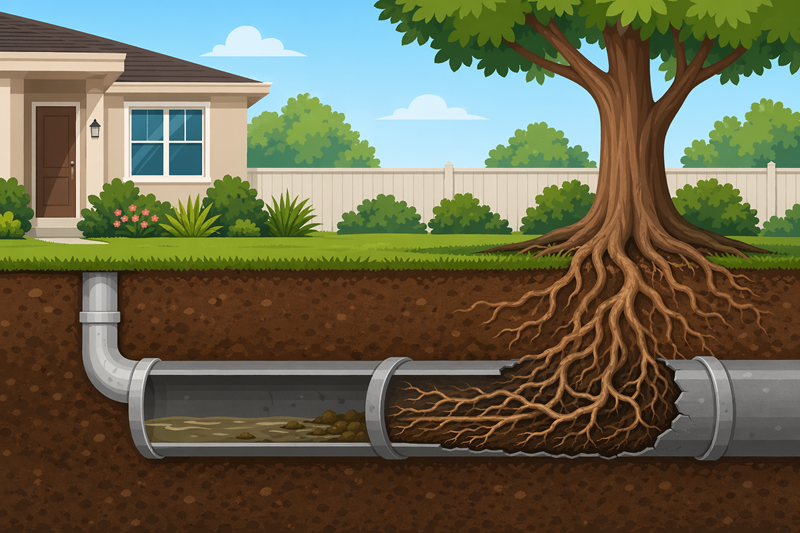
Tree roots are naturally drawn to moisture and nutrients. Sewer pipes, especially older ones made from clay or concrete, can develop small cracks over time. These tiny openings release water vapor and nutrients into the surrounding soil—essentially inviting roots to grow toward them.
Once inside, roots expand and multiply, gradually blocking the pipe and damaging its structure. This process can happen slowly, making it difficult to detect until symptoms become obvious.
Early Warning Signs of Root Intrusion
Slow Drains Throughout the House
If multiple drains in your home are draining slower than usual, it may indicate a blockage deeper in your system. Unlike a simple clog in one fixture, this often points to an issue within the main sewer line.
Frequent Drain Clogs
Occasional clogs are normal, but repeated blockages—especially in toilets and lower-level drains—suggest a more serious underlying issue. Root growth can trap debris, creating recurring obstructions.
Gurgling Sounds in Pipes
Strange bubbling or gurgling noises when water drains can signal trapped air caused by partial blockages. This is often an early indicator of root interference in the pipe.
Foul Odors Around Drains or Yard
A damaged sewer line can release unpleasant smells. If you notice persistent sewage odors inside your home or in your yard, it’s worth investigating immediately.
Unusually Green or Lush Patches in Your Yard
One of the more subtle signs appears outside. If certain areas of your lawn look greener or grow faster than others, it could be due to leaking sewage acting as fertilizer.
Sinkholes or Soft Spots in Soil
As roots break into pipes and cause leaks, the surrounding soil may erode. This can lead to soft spots or even small sinkholes forming in your yard.
The Role of Tree Root Intrusion in Sewer Damage
The issue known as tree root intrusion in sewer systems is one of the leading causes of underground pipe damage in residential areas. As roots grow thicker, they can crack pipes further, leading to severe structural problems.
Left untreated, this can result in complete pipe collapse—requiring extensive excavation and costly repairs.
How Professionals Diagnose the Problem
Plumbing Camera Inspection
Modern solutions make it easier to identify root intrusion without guesswork. A plumbing camera inspection allows technicians to view the inside of your pipes in real time.
This method pinpoints the exact location and severity of the issue, helping determine the most effective solution.
Effective Solutions for Root Intrusion
Jetting Sewer Lines
One of the most effective ways to clear roots is through jetting sewer lines. This process uses high-pressure water to cut through roots and flush debris out of the system.
It’s a non-invasive solution that restores flow without digging up your yard.
Sewer Lines Repair Options
Depending on the damage, sewer lines repair may involve sealing cracks, removing root masses, or reinforcing weakened sections of pipe.
In some cases, trenchless repair methods can fix the issue with minimal disruption to your property.
When You Need to Replace Sewer Line
If the pipe is severely damaged or collapsed, the only long-term solution may be to replace sewer line sections. While this is a bigger investment, it ensures reliability and prevents recurring problems.
Preventing Future Root Intrusion
Be Mindful of Tree Placement
Avoid planting trees or large shrubs near sewer lines. If you already have mature trees, monitor their growth and root spread carefully.
Regular Maintenance Checks
Routine inspections can catch early signs before they escalate. Following a seasonal plumbing checklist helps keep your system in good condition year-round.
Understand External Factors
Heavy rainfall can put additional strain on your sewer system, increasing the likelihood of leaks and root intrusion.
Similarly, issues like tree roots in sewer lines can worsen during wet conditions when roots grow more aggressively.
When to Call a Professional
If you notice any of the warning signs mentioned above, it’s best to act quickly. Delaying repairs can lead to more extensive damage and higher costs.
Working with professional plumbing services ensures accurate diagnosis and long-term solutions. If the situation becomes urgent, you can rely on emergency plumbing services to address the issue promptly and prevent further damage.
Book An Appointment: (786) 709-0426
Frequently Asked Questions
What causes tree roots to enter sewer lines?
Roots seek moisture and enter through small cracks or joints in pipes.
Can root intrusion fix itself?
No, it will worsen over time without intervention.
Is hydro jetting safe for pipes?
Yes, when done by professionals, it safely clears blockages.
How often should sewer lines be inspected?
Every 1–2 years or when warning signs appear.
Are older homes more at risk?
Yes, older pipes are more prone to cracks and root entry.
Last Root Cut
Tree root intrusion is a common but preventable issue for homeowners in Homestead. Recognizing the early signs—like slow drains, foul odors, or unusual lawn growth—can make all the difference.
With timely inspection and the right repair approach, you can protect your sewer system and avoid major disruptions. Staying proactive is always more affordable than dealing with a full-scale emergency.