Clean water is something most homeowners rarely think about until there is a problem. You turn on the tap, fill a glass, wash dishes, shower, and trust that the water coming into your home is safe. But when backflow happens, that clean water supply can be compromised in ways that are easy to miss and expensive to fix.
Backflow prevention matters because it protects your drinking water from contamination. It also helps protect your plumbing system, your family’s health, and your home’s long-term safety. Whether you own a newer house or an older property, understanding how backflow works can help you avoid serious plumbing issues before they become emergencies.
In this guide, we will break down what backflow is, why it happens, the warning signs to watch for, and why backflow prevention should be part of every homeowner’s plumbing strategy.
What Is Backflow in Plumbing?
Backflow happens when water flows in the wrong direction through your plumbing system. Instead of clean water moving into your home the way it should, contaminated water can move backward into the potable water supply.
That reversal can happen because of changes in pressure inside the plumbing system. When water pressure drops or becomes unbalanced, it can create conditions that allow wastewater, chemicals, or dirty water to enter clean supply lines.
This is exactly why backflow is taken so seriously. It is not just a plumbing inconvenience. It is a water quality issue.
Two Common Types of Backflow
Most residential backflow problems fall into one of two categories.
Backpressure
Backpressure happens when the pressure inside a home or connected plumbing system becomes greater than the pressure in the clean water supply. This can push used or contaminated water back into the potable line.
Backsiphonage
Backsiphonage happens when there is a sudden drop in water supply pressure. That drop can create a vacuum-like effect, pulling contaminated water backward through the system.
Both situations can affect water safety, and both are exactly why prevention devices and regular plumbing inspections matter.
Why Backflow Prevention Is So Important
Backflow prevention protects more than pipes. It protects the water your family cooks with, drinks, bathes in, and uses every day. When contaminated water gets into the clean water line, it can introduce bacteria, chemicals, fertilizers, cleaning agents, or waste into the system.
That risk makes backflow prevention one of the most important parts of a healthy plumbing setup.
It Helps Protect Your Drinking Water
The biggest reason homeowners should care about backflow prevention is simple. It helps keep your drinking water safe.
Without proper protection, water from irrigation systems, hose connections, boilers, or other plumbing fixtures can potentially move in the wrong direction. If those systems contain contaminants, the water entering your home may no longer be safe to use.
It Reduces Health Risks
Contaminated water can expose your household to harmful substances that you do not always see right away. In some cases, the water may look cloudy, taste strange, or smell off. In other cases, the issue may not be obvious at first.
That is what makes prevention so important. A properly protected plumbing system reduces the risk before contaminated water has a chance to enter the supply.
It Supports Overall Plumbing Safety
Backflow prevention is also part of maintaining a safer, more reliable plumbing system overall. Homes with aging fixtures, outdoor connections, irrigation lines, and older plumbing components are more vulnerable to pressure-related issues.
When you think about plumbing safety, it is not only about leaks and clogs. It is also about keeping water moving the way it should.
How Backflow Happens in Residential Homes
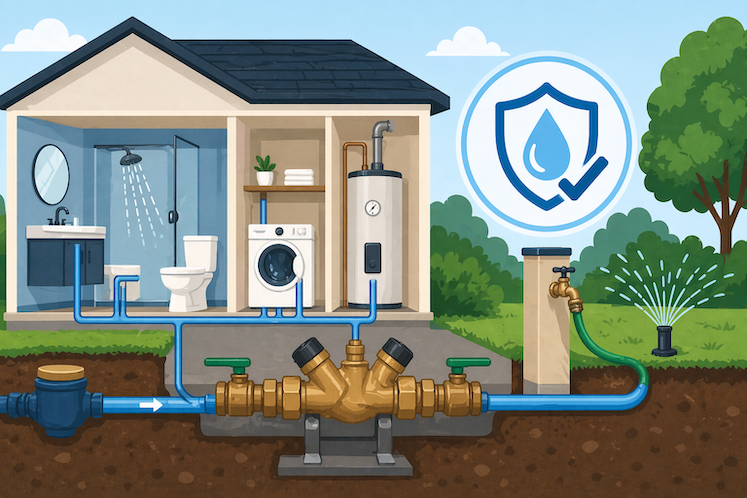
Many homeowners assume backflow is only a concern for commercial buildings or industrial properties. In reality, residential homes can experience backflow too, especially when there are common cross-connections in the plumbing system.
A cross-connection is any point where clean drinking water can come into contact with a source of contamination. That can happen more easily than many people realize.
Common Residential Risk Points
Some of the most common places where backflow can become a risk include:
- Garden hoses left submerged in standing water
- Irrigation or sprinkler systems
- Hose bibs connected to chemical sprayers
- Water softeners
- Boilers
- Fire sprinkler systems
- Outdoor faucets
- Utility sinks and laundry areas
Even a simple hose left in a bucket, pool, or puddle can become a contamination risk if there is a sudden pressure drop in the system.
Pressure Changes Can Trigger Problems Fast
One of the tricky things about backflow is that it can happen during conditions most homeowners would never think twice about. A water main break, nearby fire hydrant use, heavy municipal water demand, or plumbing work can all affect pressure levels.
When pressure changes quickly, water can reverse direction before anyone notices there is a problem. That is why prevention devices are so valuable. They are designed to stop that reversal before it affects your supply.
Warning Signs You Should Not Ignore
Backflow is not always dramatic or obvious. In some homes, the signs are subtle at first. That is why it helps to know what to look for.
If you notice changes in your water quality, plumbing performance, or unusual smells, it is worth taking seriously.
Changes in Water Taste, Color, or Smell
If your tap water suddenly tastes metallic, smells strange, or looks discolored, it may point to a plumbing problem that needs immediate attention. While not every water quality issue is caused by backflow, changes like these should never be ignored.
Unusual Plumbing Odors
Persistent odors around sinks, drains, or bathrooms may suggest deeper plumbing issues affecting your home’s sanitation and drainage. In some situations, what seems like a simple odor problem can point to a larger system concern. If you have noticed a recurring bathroom sewer smell, it is worth having a professional inspect the system to rule out ventilation, drainage, or contamination-related issues.
Slow or Unusual Drain Behavior
Drain performance does not directly cause backflow, but it can signal that the plumbing system is under stress or not functioning efficiently. If fixtures start draining slowly or unevenly, that can point to broader plumbing problems that deserve attention. A recurring slow sink drainage may be part of a pattern that suggests the system needs a closer inspection.
Visible Contamination or Sediment
If you ever notice sediment, cloudiness, or unusual particles in your water, treat it as a serious issue. Safe water should be clear, clean, and consistent.
What Is a Backflow Prevention Device?
A backflow prevention device is a plumbing component designed to stop contaminated water from reversing direction and entering the clean water supply. These devices are installed at key points in the plumbing system where cross-connections exist.
Their job is simple but essential. They allow water to flow one way and block it from flowing the wrong way.
Common Types of Backflow Preventers
Different homes and plumbing setups may require different types of prevention devices. A licensed plumber will choose the right option based on the level of risk and the type of connection being protected.
Common types include:
- Atmospheric vacuum breakers
- Pressure vacuum breakers
- Double-check valve assemblies
- Reduced pressure zone devices
- Hose bib vacuum breakers
Some devices are designed for outdoor faucets and irrigation lines, while others are used in more complex plumbing systems where contamination risk is higher.
Where Backflow Prevention Is Usually Needed
Backflow prevention devices are not always installed throughout an entire home. Instead, they are placed where contamination risks are most likely to happen.
Outdoor Hose Connections
Garden hoses are one of the most overlooked contamination points in a home. If a hose is connected to a faucet and left in standing water, chemicals, or dirty containers, that setup can create a cross-connection risk.
A hose bib vacuum breaker is a simple way to reduce that risk.
Irrigation and Sprinkler Systems
Lawn irrigation systems often require backflow protection because sprinkler heads are exposed to soil, fertilizers, pesticides, and outdoor contaminants. Without a proper device, those substances can potentially enter the water line.
Water-Using Equipment
Boilers, filtration systems, water softeners, and other plumbing-connected equipment may also need backflow protection depending on how they are installed.
This is one reason professional installation matters. Plumbing systems are more interconnected than they appear, and even a small oversight can create a real risk.
Why Professional Installation Matters
Backflow prevention is not the kind of plumbing work homeowners should guess through. The device must be matched to the right application, installed correctly, and in some cases tested according to local code requirements.
A professional plumber will know:
- Which device is required
- Where it should be installed
- Whether local regulations require testing or certification
- How to inspect the rest of the system for related issues
Improper installation can leave the system unprotected, even if a device is technically present. That is why professional service is worth it.
Backflow Prevention and Home Maintenance
Many homeowners think about plumbing maintenance in terms of leaks, clogs, and fixture repairs. Backflow prevention should be part of that conversation too.
Like other plumbing components, prevention devices can wear down over time. Valves can fail, seals can weaken, and debris can affect performance. If the device is never inspected, a homeowner may not know there is a problem until water quality is affected.
Add It to Routine Plumbing Inspections
A yearly plumbing inspection is a smart time to ask about backflow risks, especially if your home has:
- Irrigation systems
- Outdoor hose connections used often
- Older plumbing
- Water treatment equipment
- A history of pressure-related plumbing issues
Preventive plumbing care is always less stressful than emergency plumbing repair.
The Cost of Ignoring Backflow Risks
Backflow prevention is one of those things that feels easy to postpone because the issue is invisible when everything seems normal. But the cost of ignoring it can be much higher than the cost of prevention.
Potential consequences include:
- Contaminated drinking water
- Health concerns for your household
- Plumbing code violations
- Damage to fixtures or connected systems
- Emergency repairs and water testing
- Greater liability if the problem affects others
When you look at it that way, prevention is not just a safety measure. It is a practical investment in your home.
Older Homes May Be More Vulnerable
Older homes often come with older plumbing materials, outdated fixture connections, and plumbing layouts that were built before modern backflow standards became common.
That does not mean every older home has a backflow problem, but it does mean the system may need a closer look. Homes that have been remodeled in stages over the years can also have mixed plumbing setups that deserve professional review.
If your home has older exterior faucets, an irrigation system added later, or a history of plumbing issues, it is a good idea to have it evaluated.
Backflow Prevention Gives You Peace of Mind
One of the biggest benefits of backflow prevention is confidence. You should not have to wonder whether your tap water is vulnerable to contamination because of a hidden plumbing issue.
A properly protected plumbing system gives you peace of mind that your water supply is moving in the right direction and that your home is better protected against one of the most serious plumbing risks homeowners overlook.
That peace of mind becomes even more important for families with children, older adults, or anyone with health concerns where water quality matters even more.
When to Call a Plumber
If you suspect backflow, have noticed changes in your water quality, or simply want to make sure your system is protected, it is time to bring in a professional.
You should also call a plumber if:
- Your home has never been checked for backflow risks
- You recently added an irrigation system
- You are remodeling plumbing fixtures
- You have recurring water quality concerns
- You notice unusual plumbing odors or system behavior
A licensed plumber can inspect your setup, identify cross-connections, recommend the right prevention device, and make sure everything is installed correctly.
If you are ready to protect your water supply and get expert help with your plumbing system, you can book a service and have your home evaluated by a professional.
Why Backflow Prevention Is Worth Taking Seriously
Backflow prevention matters because it helps protect one of the most important systems in your home. Clean water should stay clean from the moment it enters your property to the moment it comes out of the tap.
When pressure changes, cross-connections, or worn plumbing components create an opening for contamination, the risks can become serious quickly. The good news is that backflow problems are often preventable with the right devices, proper installation, and regular inspections.
For homeowners, that makes backflow prevention a smart and necessary part of responsible plumbing care. It is not about overcomplicating your system. It is about making sure your home stays safe, efficient, and protected where it matters most.