Corroded pipes are one of those hidden problems that can quietly damage your home for years before becoming obvious. If you’ve been searching for emergency plumbing services, there’s a good chance you’re already dealing with low water pressure, discolored water, or even leaks. In Homestead, where climate, water composition, and aging infrastructure all play a role, pipe corrosion is a common issue that homeowners shouldn’t ignore.
This guide walks you through everything you need to know about corroded pipe replacement in Homestead—how to spot the signs, what causes corrosion, when to replace pipes, and how to protect your plumbing system long-term.
What Causes Pipe Corrosion in Homestead Homes?
Pipe corrosion doesn’t happen overnight. It develops slowly due to a combination of environmental and internal factors. Understanding the root cause helps you prevent recurring issues even after replacement.
Water Quality and Mineral Content
Homestead’s water supply can contain minerals that gradually react with metal pipes. Over time, this leads to oxidation, weakening the pipe walls from the inside.
Humidity and Climate Conditions
South Florida’s humid climate accelerates corrosion, especially in exposed or poorly insulated pipes. Moisture buildup can speed up rust formation, particularly in older homes.
Aging Plumbing Systems
Many homes in Homestead still rely on galvanized steel or older copper piping. These materials naturally degrade over time, making them more vulnerable to corrosion.
Chemical Reactions
Improper pH levels in water or chemical drain cleaners can also contribute to internal pipe damage, slowly eating away at the metal.
Signs Your Pipes May Be Corroded
Corrosion often stays hidden until it becomes severe. Catching it early can save you from expensive repairs and water damage.
Discolored Water
If your tap water appears brown, yellow, or reddish, it’s often a sign of rust inside your pipes.
Low Water Pressure
Corrosion creates buildup inside pipes, restricting water flow and reducing pressure throughout your home.
Frequent Leaks
Small pinhole leaks are common in corroded pipes. If leaks keep appearing in different areas, corrosion is likely the root cause.
Metallic Taste or Odor
Water that tastes metallic or smells unusual can indicate internal pipe deterioration.
Visible Rust or Flaking
Exposed pipes with rust patches, discoloration, or flaking surfaces are clear warning signs.
Why You Shouldn’t Delay Pipe Replacement
Ignoring corroded pipes can lead to much bigger problems than just poor water quality.
Structural Damage
Leaking pipes can damage walls, ceilings, and flooring, leading to costly repairs and mold growth.
Health Concerns
Rust and contaminants in your water can affect its safety, especially for drinking and cooking.
Increased Utility Bills
Leaks caused by corrosion often go unnoticed, leading to higher water bills over time.
Emergency Situations
A severely corroded pipe can burst unexpectedly, requiring immediate attention. In such cases, having access to reliable 24/7 emergency plumbing services can make all the difference.
When Is Pipe Replacement Necessary?
Not every plumbing issue requires full replacement, but in many cases, it’s the most cost-effective long-term solution.
Extensive Corrosion
If corrosion is widespread across multiple pipes, replacing sections won’t solve the underlying issue.
Recurring Repairs
If you’re constantly fixing leaks or dealing with water pressure problems, it’s a sign your plumbing system is failing.
Outdated Materials
Older materials like galvanized steel are more prone to corrosion and should be replaced with modern alternatives.
Best Pipe Materials for Replacement
Choosing the right material is just as important as replacing the pipes themselves.
Copper Pipes
Copper is durable and resistant to corrosion, making it a popular choice for long-term reliability.
PEX (Cross-Linked Polyethylene)
PEX piping is flexible, cost-effective, and resistant to scale and chlorine, making it ideal for modern homes.
PVC (Polyvinyl Chloride)
PVC is commonly used for drain lines and is resistant to corrosion, though not suitable for hot water supply lines.
The Pipe Replacement Process Explained
Understanding the process can help you prepare and avoid unnecessary stress.
Initial Inspection
A professional plumber will assess the condition of your pipes, often using camera technology. This is especially important when understanding why plumbing inspections matter in homestead_ as they reveal hidden damage without invasive work.
Planning and Permits
Depending on the extent of the replacement, permits may be required. A detailed plan ensures minimal disruption to your home.
Removal of Old Pipes
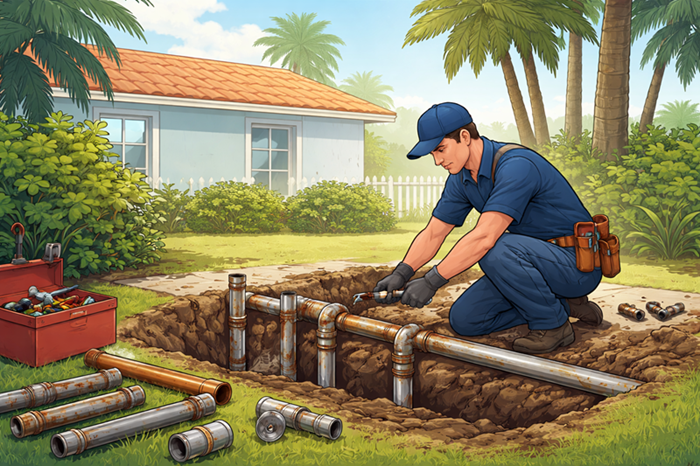
Corroded pipes are carefully removed, ensuring surrounding structures remain intact.
Installation of New Pipes
New piping is installed based on your home’s layout and water usage needs.
Testing and Final Inspection
Once installed, the system is tested for leaks, pressure consistency, and overall performance.
How Long Does Pipe Replacement Take?
The timeline varies depending on the size of your home and the complexity of the plumbing system.
- Small homes: 1–3 days
- Medium-sized homes: 3–5 days
- Larger or older homes: up to a week or more
Working with experienced professionals ensures the job is done efficiently without cutting corners.
Cost of Corroded Pipe Replacement in Homestead
Costs can vary widely based on several factors:
- Size of the property
- Type of piping material chosen
- Accessibility of existing pipes
- Extent of corrosion damage
While upfront costs may seem significant, replacing corroded pipes often saves money in the long run by preventing repeated repairs and water damage.
Preventing Future Pipe Corrosion
After replacing your pipes, taking preventive steps is key to protecting your investment.
Regular Maintenance
Scheduling routine inspections helps identify early signs of wear and tear.
Water Treatment Systems
Installing a water softener or filtration system can reduce mineral buildup.
Avoid Harsh Chemicals
Limit the use of chemical drain cleaners that can damage pipes internally.
Professional Cleaning
Routine maintenance, including professional drain cleaning services, keeps your system running smoothly and prevents buildup that contributes to corrosion.
How Pipe Replacement Impacts Home Value
Upgrading your plumbing system is more than just a repair—it’s an investment.
Modern piping not only enhances water quality but also improves overall efficiency and minimizes the chances of future plumbing problems. Many homeowners overlook how much plumbing repairs boost your home’s value until they’re ready to sell. Updated plumbing gives buyers added confidence, making your property far more attractive in a competitive market.
Choosing the Right Plumbing Professional
Not all plumbing services are the same. Selecting the right team ensures quality work and peace of mind.
What to Look For
- Licensed and insured professionals
- Experience with pipe replacement projects
- Transparent pricing and clear communication
- Emergency service availability
A trusted local expert understands the specific challenges of Homestead homes and can recommend the best solutions.
Final Thoughts
Corroded pipe replacement in Homestead isn’t just about fixing a problem—it’s about protecting your home, your health, and your investment. From identifying early warning signs to choosing the right materials and professionals, every step plays a role in ensuring a reliable plumbing system.