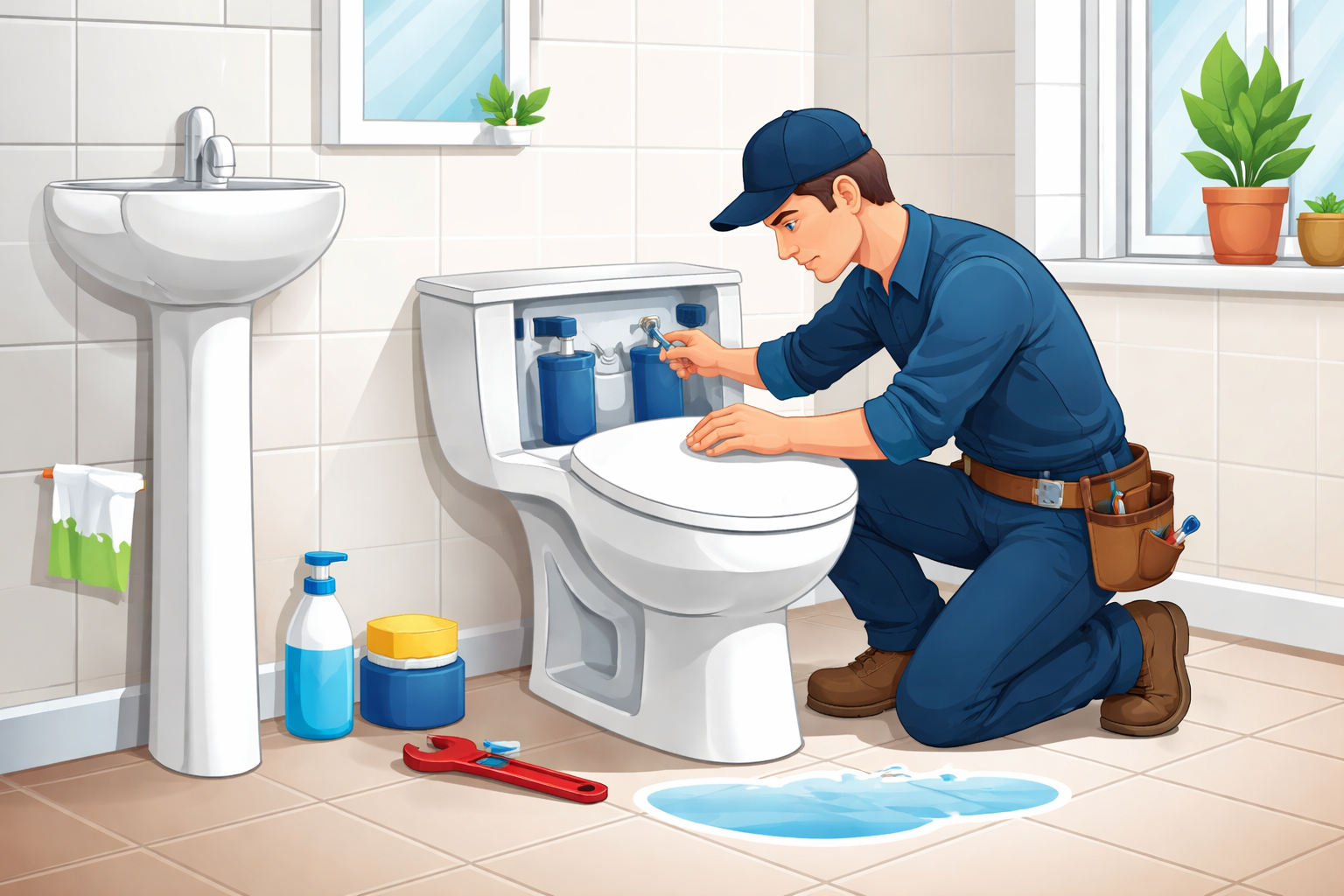
A running toilet is one of those small household annoyances that can quietly turn into a costly problem. If you’ve ever heard that constant trickling sound long after flushing, you’re not alone—and you’re definitely not imagining the impact on your water bill.
The good news is that most running toilet issues are easy to understand and often simple to fix. In this guide, we’ll break down what causes a toilet to keep running, how to troubleshoot it step by step, and when it’s time to bring in a professional.
What Does It Mean When a Toilet Keeps Running?
A running toilet typically means water is continuously flowing from the tank into the bowl, even when it shouldn’t be. Instead of filling, stopping, and waiting for the next flush, the system keeps cycling.
This usually points to a problem with one or more components inside the tank—nothing you can’t inspect with a quick lift of the lid.
Common Causes of a Running Toilet
Understanding the root cause is key to fixing the issue properly. Here are the most common reasons your toilet won’t stop running.
Worn-Out or Misaligned Flapper
The flapper is a rubber valve at the bottom of the tank that lifts when you flush and seals afterward.
Over time, it can:
- Warp or deteriorate
- Become misaligned
- Fail to create a tight seal
When this happens, water leaks slowly into the bowl, forcing the tank to refill continuously.
Faulty Fill Valve
The fill valve controls how water enters the tank after each flush.
If it’s malfunctioning, it may:
- Keep running longer than needed
- Fail to shut off completely
- Produce a hissing or whistling sound
This is one of the most common causes of a constantly running toilet.
Improper Float Height
The float determines when the fill valve should shut off. If it’s set too high, water rises above the intended level and spills into the overflow tube.
This triggers a constant refill cycle.
Chain Issues
The chain connects the flush handle to the flapper.
Problems occur when the chain is:
- Too short (keeping the flapper slightly open)
- Too long (getting tangled or caught)
Either way, it prevents the flapper from sealing properly.
Cracked or Damaged Overflow Tube
The overflow tube prevents the tank from overfilling.
If it’s damaged or cracked, water can continuously leak into the bowl—even if other parts are working fine.
Sediment Buildup and Wear
In some cases, mineral deposits or debris can affect how components function, especially in older toilets.
This is where professional diagnostics like a detailed camera inspection service can help identify hidden issues in your plumbing system.
How to Fix a Running Toilet (Step-by-Step)
Before you call a plumber, there are a few simple fixes you can try on your own.
Step 1: Turn Off the Water Supply
Locate the shutoff valve behind the toilet and turn it clockwise. This prevents water from flowing while you inspect the tank.
Step 2: Check the Flapper
Lift the tank lid and inspect the flapper.
Look for:
- Visible wear or cracks
- Poor sealing when closed
If it’s damaged, replacing it is inexpensive and usually solves the issue immediately.
Step 3: Adjust the Chain
Make sure the chain has just enough slack to allow the flapper to close completely.
If needed:
- Shorten it slightly if it’s too loose
- Lengthen it if it’s pulling the flapper open
Step 4: Adjust the Float
If the water level is too high:
- Lower the float by adjusting the screw or clip
- Ensure water sits about an inch below the overflow tube
This prevents unnecessary overflow and constant refilling.
Step 5: Inspect the Fill Valve
If the fill valve continues to run:
- Check for debris or wear
- Consider replacing it if adjustments don’t work
Fill valve replacement kits are affordable and widely available.
When DIY Fixes Aren’t Enough
While many running toilet issues are easy to fix, some situations require professional attention.
Persistent Leaks
If your toilet continues to run despite replacing parts, the issue may go deeper—such as hidden leaks or pressure imbalances.
A professional leak detection service can pinpoint the exact source without unnecessary guesswork.
Recurring Clogs and Drain Issues
Sometimes, a running toilet is linked to broader drainage problems.
If you’re also noticing slow drains or backups, it may be time to look into clog removal and repair solutions to address the root cause.
Older or Worn-Out Toilets
If your toilet is more than 10–15 years old, repeated repairs may not be worth the effort. Replacing the unit could save you money in the long run.
How Much Water Can a Running Toilet Waste?
A running toilet can waste hundreds of gallons of water per day.
That means:
- Higher utility bills
- Increased environmental impact
- Unnecessary strain on your plumbing system
Even a slow leak can add up quickly, making it important to address the issue as soon as you notice it.
Preventing Future Toilet Problems
Once you’ve fixed the issue, a few simple habits can help prevent it from happening again.
Regular Inspections
Every few months, check inside the tank for:
- Worn components
- Unusual water levels
- Loose or tangled chains
Avoid Harsh Chemical Cleaners
Chemical cleaners can damage rubber parts like the flapper and seals, shortening their lifespan.
Use Quality Replacement Parts
Cheap components may fail faster. Investing in durable parts helps avoid repeat issues.
Schedule Routine Plumbing Maintenance
Professional maintenance ensures your entire system is working efficiently—not just your toilet.
If you’re unsure where to start, you can always explore options like getting a plumber to identify potential issues early.
Final Thoughts
A running toilet might seem like a minor inconvenience, but it’s often a sign that something inside your plumbing system needs attention.
The good news is that most causes—like a worn flapper or misadjusted float—are easy to fix with a little time and basic tools. For more complex issues, professional services can quickly diagnose and resolve the problem before it leads to bigger repairs.
Taking action early not only saves water and money but also keeps your home running smoothly.