
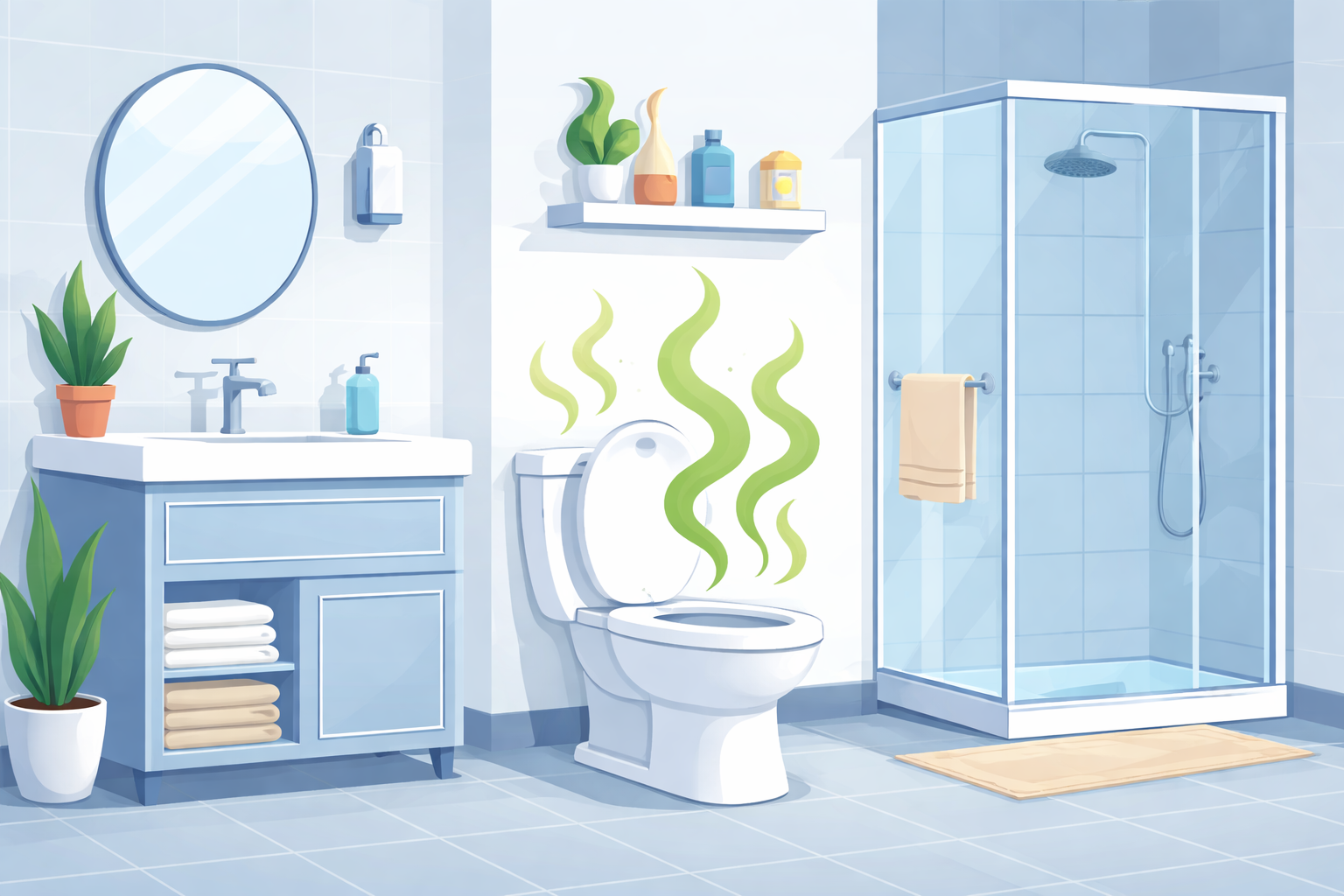
A sewer smell in your bathroom is never something to ignore. That unpleasant odor often signals an underlying plumbing issue that could worsen over time if left unresolved. While the smell might appear suddenly, the causes are typically related to problems within your drains, venting system, or sewer lines.
Understanding what causes a sewer smell in your bathroom can help you identify early warning signs before they turn into expensive repairs. In many cases, the issue may be simple, such as a dry drain trap. In other situations, it could indicate deeper plumbing problems that require professional inspection.
In this guide, we’ll explore the most common causes of sewer odors in bathrooms, how to diagnose them, and what steps you can take to restore clean air and proper plumbing function.
Understanding Why Sewer Smells Appear in Bathrooms
Bathroom plumbing is designed to keep sewer gases out of your living space. Every drain, pipe, and vent in your plumbing system works together to move wastewater safely while preventing unpleasant odors from entering your home.
When part of that system stops working correctly, sewer gas can escape through drains, toilets, or pipe connections. Sewer gas typically contains methane, hydrogen sulfide, and other compounds that produce the familiar rotten egg smell.
Although the odor itself may seem like the main problem, the smell is actually a symptom of something deeper within your plumbing system.
Dry P-Traps Are a Common Cause
What Is a P-Trap?
Every sink, bathtub, and shower drain includes a curved pipe known as a P-trap. This section of pipe holds a small amount of water that acts as a barrier between your home and the sewer system.
The water sitting in the trap blocks sewer gases from traveling back up through the drain.
Why P-Traps Dry Out
If a bathroom fixture hasn’t been used for a while, the water inside the P-trap can evaporate. Once the water disappears, sewer gas can pass freely through the pipe and into the room.
This problem often occurs in:
- Guest bathrooms
- Basement bathrooms
- Newly built homes before regular use
- Drains in rarely used showers or tubs
How to Fix It
In many cases, the solution is simple. Running water down the drain for about 30 seconds will refill the trap and restore the barrier against sewer gases.
If the smell disappears after running water, a dry trap was likely the cause.
Broken or Damaged Toilet Seals
The Role of the Wax Ring
Your toilet is sealed to the floor using a wax ring located between the toilet base and the drain pipe. This ring prevents sewer gases and wastewater from escaping around the base of the toilet.
When the wax ring becomes worn, cracked, or misaligned, it can allow sewer odors to seep into the bathroom.
Signs the Toilet Seal May Be Failing
Common signs of a damaged wax ring include:
- Sewer odor strongest near the toilet base
- Water pooling around the toilet
- The toilet rocking slightly when you sit on it
- Persistent smells even after cleaning the bathroom
If these symptoms appear, replacing the wax ring is usually necessary.
Clogged or Dirty Drain Pipes
Organic Build-Up Inside Pipes
Over time, drains accumulate soap residue, hair, toothpaste, skin cells, and other debris. This buildup creates the perfect environment for bacteria to grow.
As bacteria break down organic material, they release gases that can produce a strong sewer-like smell.
Where This Happens Most Often
Drain odors commonly develop in:
- Sink drains
- Shower drains
- Floor drains
- Overflow drains in sinks
These odors often intensify when water first runs through the drain.
Cleaning the Drain System
Cleaning the drain and removing debris can eliminate the odor. In stubborn cases, deeper buildup inside the pipe may require professional cleaning or inspection.
When recurring drain issues occur, a plumber may recommend a camera inspection to identify hidden blockages or damage inside the pipes.
Vent Pipe Problems
What Plumbing Vent Pipes Do
Your home’s plumbing system includes vent pipes that extend through the roof. These vents regulate air pressure inside the drain system and allow sewer gases to safely exit outside.
Without proper ventilation, sewer gas may find alternative paths back through drains.
How Vent Pipes Become Blocked
Vent pipes can become obstructed by:
- Leaves and debris
- Bird nests
- Small animals
- Ice buildup in colder climates
When this happens, drainage may slow down and sewer odors may appear indoors.
Signs of a Venting Issue
Some indicators of a blocked vent include:
- Gurgling sounds from drains
- Slow-draining sinks or tubs
- Sewer smells when flushing the toilet
A plumber can inspect and clear the vent system to restore proper airflow.
Cracked or Leaking Sewer Pipes
Hidden Pipe Damage
If the sewer line connected to your home develops cracks or leaks, sewer gases may escape before wastewater reaches the main sewer system.
This situation can lead to persistent odors inside bathrooms, walls, or floors.
Causes of Sewer Pipe Damage
Sewer pipes can fail due to several reasons:
- Aging or corroded pipes
- Shifting soil or foundation movement
- Tree root intrusion
- Improper installation
A damaged sewer line is one of the more serious causes of sewer smells and often requires professional repair.
Sewer Gas Entering Through Floor Drains
How Floor Drains Work
Some bathrooms include floor drains that connect directly to the home’s sewer system. These drains also rely on water-filled traps to block sewer gases.
If the drain trap dries out or becomes clogged, sewer odors can rise through the opening.
Maintaining Floor Drains
To prevent odors from floor drains:
- Pour water into the drain periodically
- Clean the drain cover and trap
- Ensure the trap retains water
This simple maintenance step can prevent unpleasant smells from returning.
Water Heater Issues Can Contribute to Odors
Although sewer smells usually originate from drains, certain water heater problems can create similar odors. In particular, sulfur bacteria inside a water heater can produce a rotten egg smell that travels through hot water lines.
This odor is most noticeable when running hot water from bathroom sinks or showers.
If the smell appears only when hot water is used, it may be related to the water heater system rather than the sewer line. In these cases, inspecting the unit through a reliable water heater repair service can help determine whether sediment buildup or bacteria is the source of the odor.
When Sewer Odors Indicate a Larger Plumbing Issue
Occasional odors from a dry drain may be harmless, but persistent sewer smells often signal a deeper plumbing problem.
You should consider professional help if:
- The odor returns quickly after cleaning drains
- Multiple drains smell at the same time
- Sewer smells spread to multiple rooms
- Drainage becomes slow or noisy
- The smell appears outside your home near sewer lines
Professional plumbers use specialized tools to diagnose these issues accurately and prevent further damage.
How Plumbers Diagnose Sewer Smell Problems
A licensed plumber typically performs several steps to identify the source of sewer odors.
Drain System Inspection
The plumber will check sinks, tubs, toilets, and floor drains to ensure traps are functioning correctly and drains are free from buildup.
Ventilation System Evaluation
Vent pipes may be inspected for blockages or structural problems affecting airflow.
Sewer Line Inspection
If deeper issues are suspected, technicians may use camera equipment to view the inside of sewer pipes and locate cracks, clogs, or root intrusions.
These diagnostic steps help identify the precise cause rather than relying on guesswork.
Preventing Sewer Smells in Your Bathroom
Routine plumbing maintenance can prevent most sewer odor problems before they start.
Use Bathroom Fixtures Regularly
Running water through sinks, showers, and floor drains keeps traps filled and prevents evaporation.
Clean Drains Periodically
Removing hair, soap residue, and debris helps prevent bacteria growth and foul smells.
Monitor Toilet Stability
If your toilet begins to shift or rock, address the issue quickly before the wax seal fails.
Schedule Plumbing Inspections
Regular plumbing inspections can detect developing issues early and prevent costly repairs later.
If sewer odors persist despite basic maintenance, scheduling a plumbing service is often the most effective way to restore a healthy plumbing system.
Final Thoughts
A sewer smell in your bathroom can be both unpleasant and concerning, but it’s usually the result of a specific plumbing issue that can be identified and corrected.
In many cases, the problem stems from simple causes such as dry drain traps or buildup inside pipes. However, persistent odors may indicate deeper problems involving vent systems, sewer lines, or plumbing seals.
Addressing sewer smells promptly helps protect your home from further plumbing damage while keeping your living space comfortable and odor-free.
If the smell continues after basic troubleshooting, professional plumbing inspection is the safest way to identify the root cause and ensure your plumbing system operates properly.