Hot water is something most homeowners take for granted—until it suddenly disappears. From showers and dishwashing to laundry and cleaning, your water heater works behind the scenes every day. When it starts to decline, the warning signs are often subtle at first.
Understanding how to tell if your water heater is about to fail can help you avoid unexpected breakdowns, water damage, and emergency replacement costs. In this guide, we’ll walk through the most common symptoms, what causes them, and when it’s time to consider repair or replacement.
How Long Do Water Heaters Typically Last?
Before identifying failure signs, it helps to understand expected lifespan.
- Traditional tank models: 8–12 years
- Tankless systems: 15–20 years
If your unit is approaching or exceeding 10 years, pay closer attention to performance changes. Even if it’s still operating, internal wear may already be progressing.
If you’re unsure about your unit’s condition, having it evaluated by professionals who specialize in professional plumbing services can give you clarity.
Inconsistent or Lukewarm Water
One of the earliest signs of a failing water heater is inconsistent temperature.
Fluctuating Water Temperature
If your shower suddenly shifts from hot to cold without warning, it may indicate:
- A failing heating element
- Thermostat malfunction
- Sediment buildup inside the tank
Sediment prevents proper heat transfer, forcing the system to work harder and reducing overall efficiency.
Water Not Getting Hot Enough
If your water never reaches its usual temperature, the system may be struggling due to aging internal components or mineral buildup.
When temperature performance declines consistently, it’s often a sign that internal parts are wearing down.
Strange Noises Coming From the Tank
Water heaters should operate quietly. Unusual sounds usually indicate internal issues.
Rumbling or Popping
Mineral deposits settle at the bottom of the tank over time. When heated, trapped air bubbles push through the sediment, causing rumbling or popping sounds.
This buildup reduces efficiency and accelerates internal damage.
Banging or Knocking
Louder metallic knocking sounds may indicate excessive sediment or internal pressure changes. At this stage, the tank may already be under strain.
Ignoring these noises can shorten the unit’s remaining lifespan.
Rusty or Discolored Hot Water
If your hot water appears brown, red, or rusty, corrosion may be occurring inside the tank.
Rust Only in Hot Water
If cold water runs clear but hot water looks discolored, the issue likely originates in your water heater rather than your plumbing system.
Possible causes include:
- Deteriorated anode rod
- Internal tank corrosion
- Advanced metal breakdown
Once the tank itself begins corroding, replacement is usually the safest long-term solution.
Water Leaks Around the Heater
Any moisture around your water heater should be addressed immediately.
Loose Connections or Valve Issues
Some leaks stem from loose fittings or pressure relief valves. These are sometimes repairable if caught early.
Cracked or Failing Tank
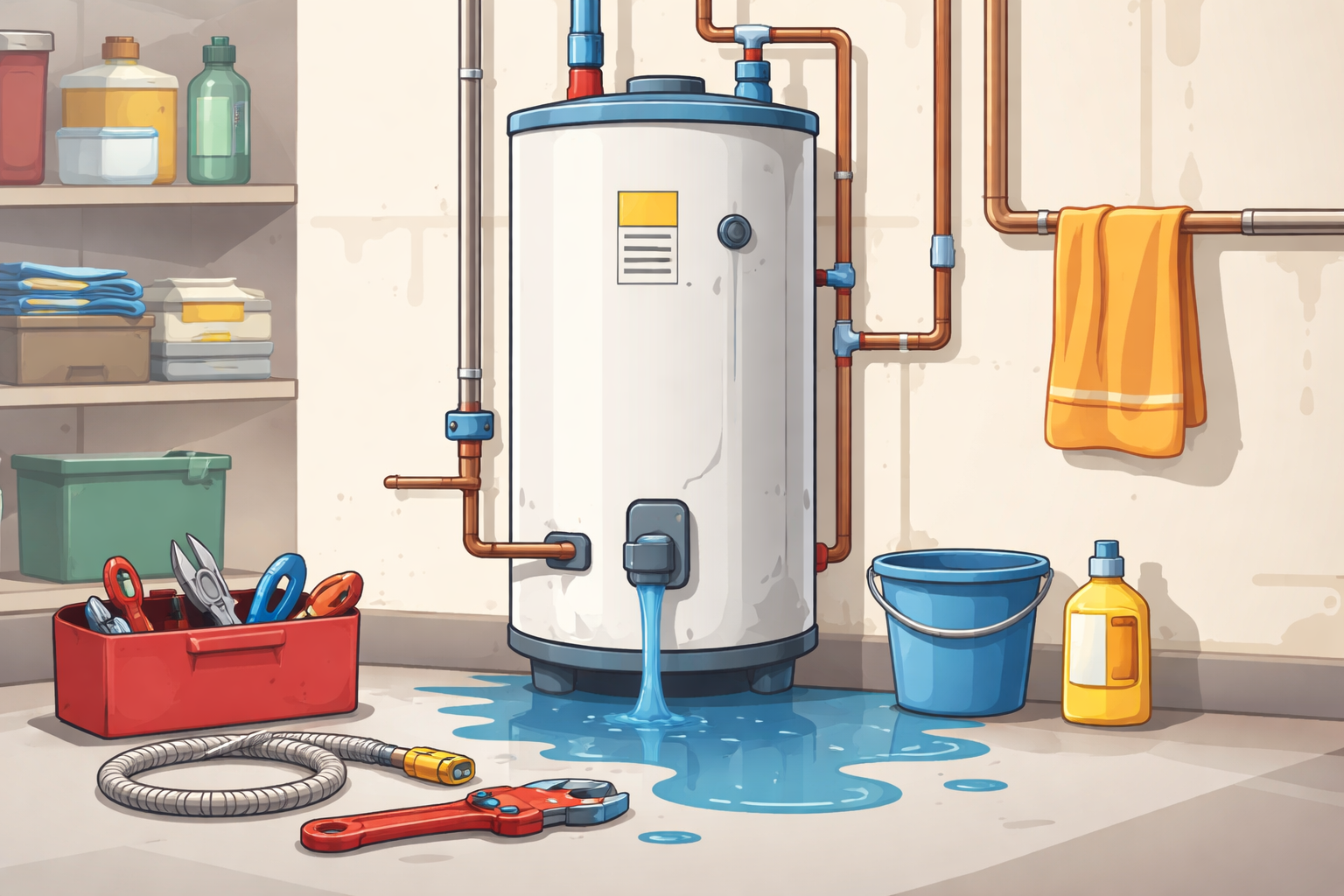
If water is pooling beneath the tank body, internal structural damage may have occurred. A cracked tank cannot be repaired and requires full replacement.
Delaying action increases the risk of property damage.
Reduced Hot Water Supply
Are you running out of hot water faster than before?
This can be caused by:
- Sediment reducing tank capacity
- Heating element failure
- Internal component deterioration
As mineral deposits accumulate, they take up space meant for heated water. That means less available hot water for your household.
If demand hasn’t changed but performance has declined, your system may be nearing failure.
Increasing Energy Bills
An aging water heater often becomes less efficient over time.
Sediment forces longer heating cycles. Corrosion reduces performance. Internal wear makes components work harder.
If your utility bills are rising without explanation, your water heater may be operating inefficiently.
Upgrading through expert water heater installation services can significantly improve energy efficiency and long-term reliability.
Low Hot Water Pressure
If only your hot water pressure has dropped, mineral buildup could be restricting flow inside the tank or connecting lines.
Sediment accumulation narrows internal pathways, reducing pressure and efficiency.
If internal pipe blockage is suspected, advanced diagnostics like a professional drain camera inspection can help determine whether buildup extends beyond the heater itself.
Pilot Light or Burner Problems (Gas Units)
Gas-powered systems rely on steady combustion.
Warning signs include:
- Pilot light frequently extinguishing
- Weak or yellow flame
- Delayed ignition
- Unusual burning odors
These symptoms may indicate gas flow issues or internal burner deterioration. Gas-related concerns should always be handled professionally for safety reasons.
Pressure Relief Valve Discharge
The temperature and pressure (T&P) valve prevents dangerous pressure buildup inside the tank.
If water is discharging from this valve, possible causes include:
- Excess internal pressure
- Overheating
- Valve malfunction
Persistent discharge signals deeper system issues that shouldn’t be ignored.
Visible Corrosion or Exterior Rust
Inspect the outside of your unit periodically.
Signs of decline include:
- Rust around fittings
- Corrosion at the tank base
- Bulging metal surfaces
- Flaking paint or oxidation
Even minor exterior corrosion can indicate advanced internal aging.
Repair or Replace: Making the Right Decision
Not every issue requires replacement. However, age and condition matter.
Repair May Be Enough If:
- The unit is under 8 years old
- The issue is isolated (thermostat or element)
- No tank corrosion is present
Replacement Is Likely Better If:
- The tank is leaking
- The system is over 10–12 years old
- Rust appears in hot water
- Repairs are becoming frequent
Replacing an aging system before complete failure helps you avoid emergency costs and water damage.
How to Extend Your Water Heater’s Life
Routine maintenance makes a major difference.
Annual Tank Flushing
Flushing removes sediment buildup, improving efficiency and reducing strain.
Anode Rod Replacement
Replacing the anode rod every few years prevents premature corrosion.
Professional Inspections
Routine inspections help identify wear before it becomes catastrophic.
Proactive maintenance significantly increases system lifespan.
Why Early Action Matters
Waiting for total failure can lead to:
- Flooded floors
- Damaged drywall
- Mold growth
- Emergency repair expenses
- Days without hot water
Recognizing early warning signs gives you control over timing and budgeting.
Final Thoughts
Water heaters rarely fail without warning. Inconsistent temperature, unusual noises, rust-colored water, leaks, rising energy bills, and declining performance are all indicators that something isn’t right.
If your unit is aging or showing multiple symptoms, it’s wise to schedule a professional evaluation before a full breakdown occurs.
Reliable hot water is essential. Addressing small issues today can prevent major problems tomorrow.