A running toilet might seem like a small annoyance, but it can waste hundreds of gallons of water every day. That constant sound of water flowing isn’t just irritating — it’s money going down the drain.
For homeowners, understanding how to fix a running toilet is one of the most practical plumbing skills you can learn. In many cases, the solution is simple. In others, the issue points to a deeper problem that requires professional attention. This guide walks you through the causes, step-by-step fixes, and when it’s time to bring in expert help.
Why a Running Toilet Is a Bigger Problem Than You Think
A toilet that won’t stop running usually means water is continuously leaking from the tank into the bowl. Even a slow, silent leak can significantly increase your water bill.
Beyond cost, long-term leaks can:
- Strain your plumbing system
- Increase wear on internal components
- Contribute to hidden moisture problems
- Mask larger issues within the tank or supply line
Addressing the problem early prevents further damage and avoids unnecessary expenses.
How a Toilet Actually Works
Before you start troubleshooting, it helps to understand the basics.
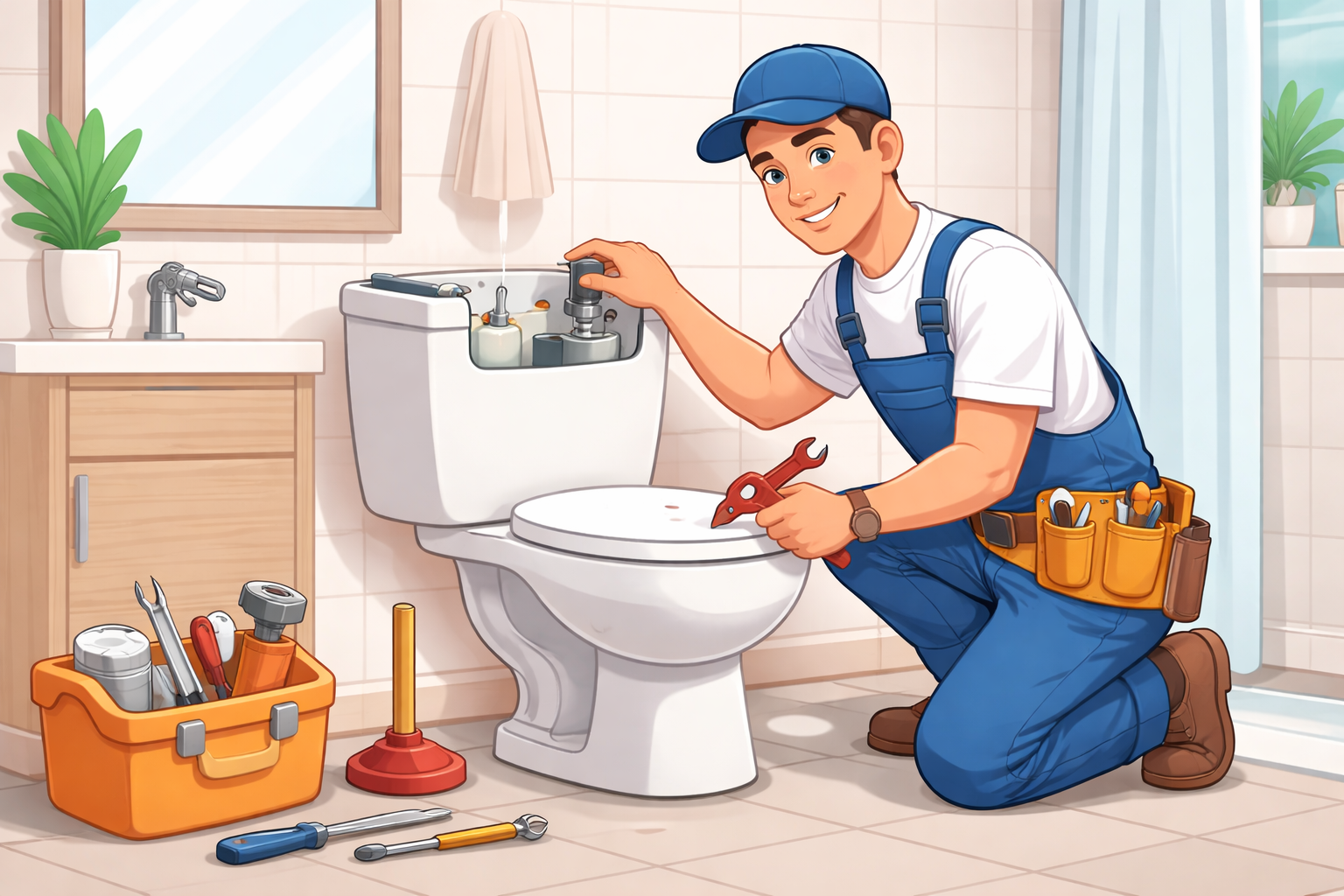
A toilet tank contains several key components:
- Fill valve – controls water entering the tank
- Flapper – seals the flush valve opening
- Overflow tube – prevents overfilling
- Float – regulates water level
- Flush valve – releases water into the bowl
When you flush, the flapper lifts, water flows into the bowl, and the tank refills to a preset level. If any of these components malfunction, the toilet may continue running.
Common Causes of a Running Toilet
Most running toilets are caused by one of a few predictable issues.
Worn or Warped Flapper
The flapper is the rubber seal at the bottom of the tank. Over time, it can deteriorate, crack, or warp. When it fails to seal tightly, water slowly leaks into the bowl.
This is one of the most common causes and often the easiest to fix.
Incorrect Water Level
If the water level in the tank is set too high, it may continuously flow into the overflow tube. This creates a constant refill cycle.
Improper float adjustment is typically the culprit.
Faulty Fill Valve
The fill valve regulates water entering the tank. If it’s damaged or clogged with debris, it may fail to shut off properly.
This can cause continuous refilling even when the tank is full.
Loose or Misaligned Chain
If the chain connected to the flapper is too short or tangled, it can prevent the flapper from closing completely.
A simple adjustment may solve the issue.
Step-by-Step: How to Fix a Running Toilet
Before beginning any repair, turn off the water supply valve located behind the toilet.
Step 1: Check the Flapper
Remove the tank lid and inspect the flapper.
If it appears worn, cracked, or stiff, replacing it is inexpensive and straightforward.
- Turn off the water supply
- Flush the toilet to drain the tank
- Unhook the old flapper
- Attach the new one
- Restore water supply and test
Flappers typically cost under $15 and can solve the issue immediately.
Step 2: Adjust the Float
If water is flowing into the overflow tube, lower the float slightly.
For float cup systems:
- Locate the adjustment screw
- Turn it counterclockwise to lower water level
For ball floats:
- Gently bend the float arm downward
Test the flush after adjusting.
Step 3: Inspect the Fill Valve
If adjusting the float doesn’t help, the fill valve may be faulty.
Replacement involves:
- Turning off water supply
- Disconnecting supply line
- Removing the old valve
- Installing a new one according to manufacturer instructions
This repair is slightly more advanced but manageable for confident DIY homeowners.
How to Detect a Silent Leak
Not all running toilets make noise. Some leaks are subtle.
To test:
- Add a few drops of food coloring to the tank
- Wait 15–20 minutes without flushing
- If color appears in the bowl, you have a leak
Silent leaks can waste significant water over time and often indicate flapper failure or flush valve issues.
When a Running Toilet Signals a Bigger Problem
Sometimes, the issue goes beyond a simple internal part.
Cracked Overflow Tube
A damaged overflow tube can cause continuous draining.
Corroded Flush Valve Seat
Mineral buildup can prevent the flapper from sealing correctly.
Water Pressure Problems
Excessively high water pressure can cause repeated fill valve failure.
Hidden Supply Line Leaks
If water appears around the base of the toilet or behind the wall, the issue may involve supply lines rather than internal tank components.
When these signs appear, it’s best to consider professional assessment.
Long-Term Solutions for Recurring Toilet Problems
If you’ve replaced parts multiple times and the issue returns, the toilet itself may be aging.
Older toilets:
- Use more water per flush
- Have outdated internal systems
- Experience more frequent component failure
Upgrading to a modern high-efficiency toilet may provide better performance and long-term savings.
A licensed plumber can evaluate whether repair or replacement makes more financial sense.
Preventive Maintenance Tips
To avoid future issues:
- Inspect tank components annually
- Avoid using harsh chemical cleaners inside the tank
- Check for mineral buildup in hard water areas
- Ensure water pressure is within normal range (40–60 psi)
Routine checks prevent small issues from turning into costly repairs.
When to Call a Professional Plumber
While many running toilet issues are DIY-friendly, certain situations require expertise.
Call for professional help if:
- The toilet continues running after part replacement
- You notice water damage around flooring
- Water pressure seems unstable
- There’s recurring clogging alongside running
- The problem involves supply lines or shut-off valves
In these cases, scheduling a professional plumbing service ensures the problem is diagnosed accurately and repaired correctly the first time.
Delaying service when hidden leaks are present can lead to structural damage and mold risk.
Professional plumbing done right, the first time.
Call (786) 709-0426
The Cost of Ignoring a Running Toilet
A constantly running toilet can waste up to 200 gallons of water per day. That translates to thousands of gallons per month.
Beyond water bills, long-term leaks can:
- Damage flooring
- Weaken subfloor structures
- Encourage mold growth
- Increase humidity inside walls
Addressing the issue promptly is always more cost-effective than repairing secondary damage.
Final Thoughts
Fixing a running toilet is often a simple repair that saves money and prevents waste. Understanding how your toilet works and identifying the most common causes empowers you to take action quickly.
However, if the issue persists or points to hidden plumbing concerns, professional intervention ensures lasting results. Toilets may look simple, but they’re connected to a larger plumbing system that requires proper handling.
Taking the right approach — whether DIY or professional — protects your home, your plumbing, and your budget.