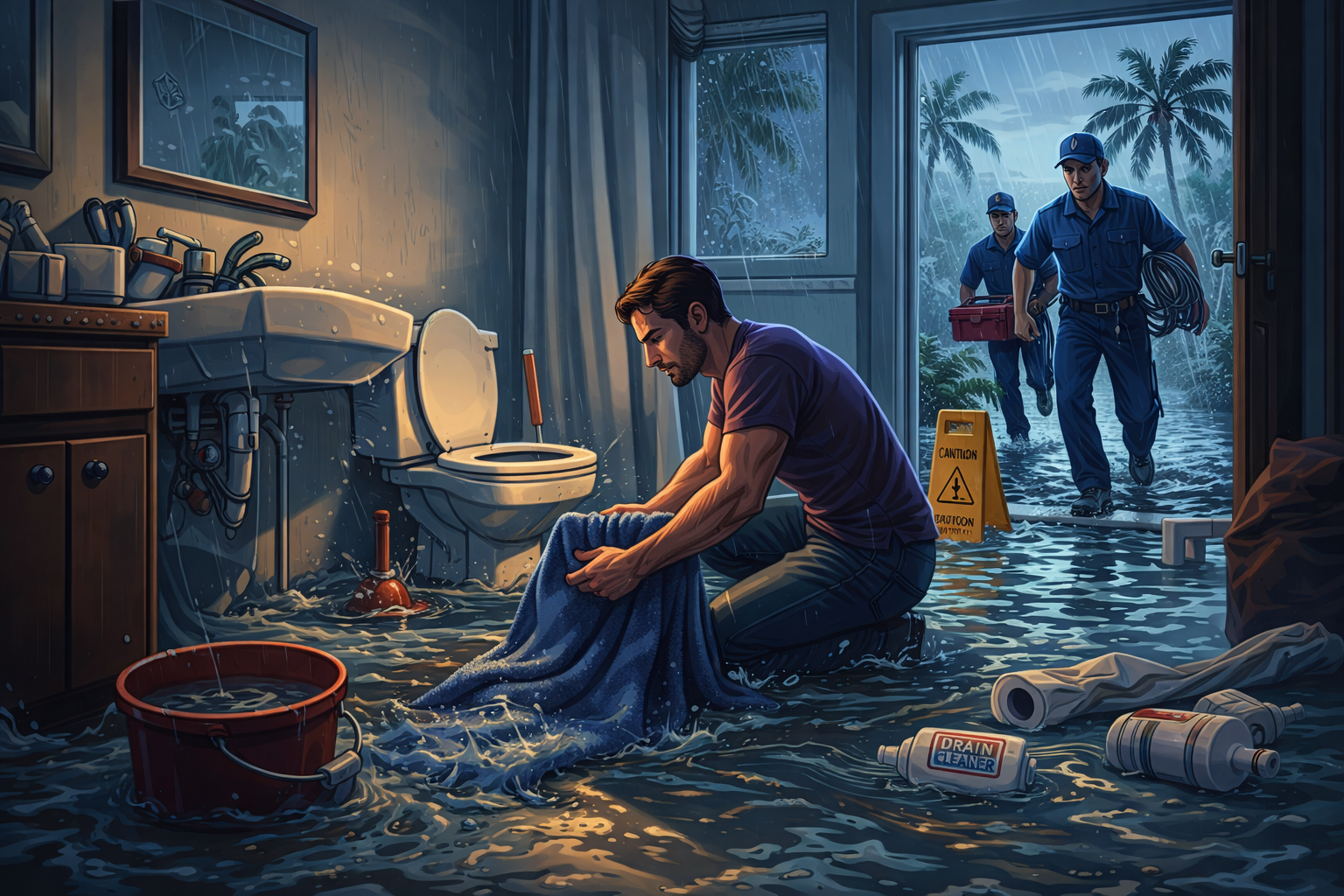
Emergency drain problems can escalate quickly, especially in South Florida where humidity, heavy rain, and older plumbing systems often combine to create sudden blockages. If you are dealing with standing water, sewage backup, or a completely blocked drain, acting fast can help prevent structural damage, mold growth, and expensive plumbing repairs.
Emergency drain cleaning in Homestead is one of the most requested plumbing services because clogged drains rarely fix themselves. Many homeowners first try quick DIY solutions, but knowing what to do before a professional arrives can reduce damage and speed up repair time.
This guide explains exactly what to do when a drain emergency happens, what mistakes to avoid, and how to protect your plumbing system until help arrives.
What Counts as a Drain Cleaning Emergency?
Complete Drain Blockage
If water stops draining completely in sinks, tubs, or toilets, this usually signals a severe clog somewhere in the system. Complete blockages often indicate main line issues or deep pipe obstructions.
Sewage Backup
Sewage smells, black water, or wastewater coming up through drains requires immediate action. This is not just a plumbing issue — it can become a serious health hazard.
Overflowing Fixtures
Overflowing toilets, sinks, or shower drains usually mean pressure is building somewhere in your plumbing line.
Standing Water That Won’t Drain
If water remains in sinks or tubs for hours, you likely have a blockage beyond surface-level clogs.
Why Drain Emergencies Are Common in Homestead
Older Plumbing Infrastructure
Many homes in Homestead and surrounding areas have aging pipes that are more vulnerable to buildup and corrosion.
Tree Root Intrusion
Roots often grow into underground pipes, especially during rainy seasons.
Grease and Food Waste Buildup
Kitchen drains are among the most common emergency clog sources in South Florida homes.
Heavy Rain and Flood Conditions
Stormwater can overwhelm older drainage systems and worsen existing pipe blockages.
Step 1: Stop Using Water Immediately
The first step during a drain emergency is simple but critical.
Turn off:
- Dishwashers
- Washing machines
- Showers
- Sinks
- Toilets
Continuing to use water can force sewage or dirty water back into your home.
Step 2: Identify Which Drains Are Affected
Single Drain Issue
If only one sink or shower is clogged, the blockage is likely localized.
Multiple Drain Backup
If multiple drains are backing up, you likely have a main drain line problem. This requires professional equipment.
Step 3: Check for Visible Blockage Signs
Look for:
- Slow draining across multiple fixtures
- Gurgling sounds
- Bad drain odors
- Water backing up into other drains
These symptoms help plumbers diagnose the issue faster when they arrive.
Step 4: Try Safe Temporary Solutions Only
Use a Plunger
A plunger can help with minor clogs but won’t fix deep pipe blockages.
Hot Water Flush (Only for Grease)
Hot water can sometimes loosen grease clogs, but avoid this if sewage backup is present.
Avoid Chemical Drain Cleaners
Store-bought drain cleaners can:
- Damage pipes
- Worsen blockages
- Create safety hazards
Professional equipment is safer and more effective.
Step 5: Protect Your Floors and Cabinets
Use towels or buckets to contain leaks or overflow.
Water damage spreads quickly in South Florida’s humid climate, which increases mold risk.
Step 6: Turn Off Main Water if Backup Is Severe
If water or sewage continues rising, shutting off the main water supply can prevent further damage.
What NOT to Do During a Drain Emergency
Don’t Use Multiple Chemical Cleaners
Mixing chemicals can create dangerous fumes and pipe damage.
Don’t Ignore Slow Drains
Slow drains often become emergency blockages if ignored.
Don’t Attempt Pipe Disassembly
Without proper tools, you risk flooding or damaging fittings.
When You Need Professional Emergency Drain Cleaning
If your drain problem involves:
- Sewage backup
- Multiple clogged fixtures
- Repeated clogging
- Standing water that won’t move
- Strong drain odors
You likely need professional equipment like hydro jetting or camera inspection.
Many homeowners schedule professional clog repairs to prevent recurring emergency issues and restore full pipe function safely.
How Professional Emergency Drain Cleaning Works
Camera Inspection
Plumbers inspect pipes internally to locate blockages.
Hydro Jetting
High-pressure water clears grease, debris, and roots.
Mechanical Augers
Professional drain snakes break through stubborn clogs.
How Fast Emergency Drain Damage Can Spread
Within Hours:
- Water damage to cabinets
- Floor warping
- Mold growth risk begins
Within Days:
- Structural damage
- Electrical hazards
- Major repair costs
Fast action reduces long-term repair expenses.
Signs Your Home Needs Preventive Drain Cleaning
Recurring Slow Drains
Frequent slow drainage usually signals buildup inside pipes.
Bad Smells From Drains
Odors often mean organic buildup or sewer gas issues.
Frequent Toilet Backups
Repeated toilet clogs usually point to deeper line problems.
Cost of Waiting Too Long to Fix Drain Emergencies
Ignoring emergency drain problems can lead to:
- Pipe replacement costs
- Floor replacement
- Mold remediation
- Foundation damage
- Insurance complications
Emergency cleaning is almost always cheaper than structural repairs.
How to Prevent Future Drain Emergencies
Schedule Routine Drain Cleaning
Annual professional cleaning prevents buildup.
Avoid Pouring Grease Down Drains
Dispose of grease in sealed containers instead.
Install Drain Screens
These help catch hair and debris.
Watch for Early Warning Signs
Address slow drains before they become emergencies.
When to Call Immediately
If you notice sewage smell, multiple drain backups, or standing wastewater, immediate help is necessary.
Pinpoint leaks fast—before they cause major damage.
Call (786) 709-0426
Why Emergency Drain Cleaning Matters in South Florida
South Florida plumbing systems face unique stress from:
- High humidity
- Heavy rainfall
- Soil shifting
- Older infrastructure
These factors make preventive maintenance and fast emergency response essential.
Acting Fast Protects Your Home
Drain emergencies can happen without warning, but fast action makes a major difference. Knowing how to respond before a plumber arrives can protect your home, reduce repair costs, and speed up service resolution.
If you live in Homestead or surrounding areas, understanding early warning signs and taking quick protective steps can help you avoid severe plumbing damage and costly restoration work.
Emergency drain cleaning is not just about clearing a clog — it’s about protecting your home, your health, and your plumbing system long term.