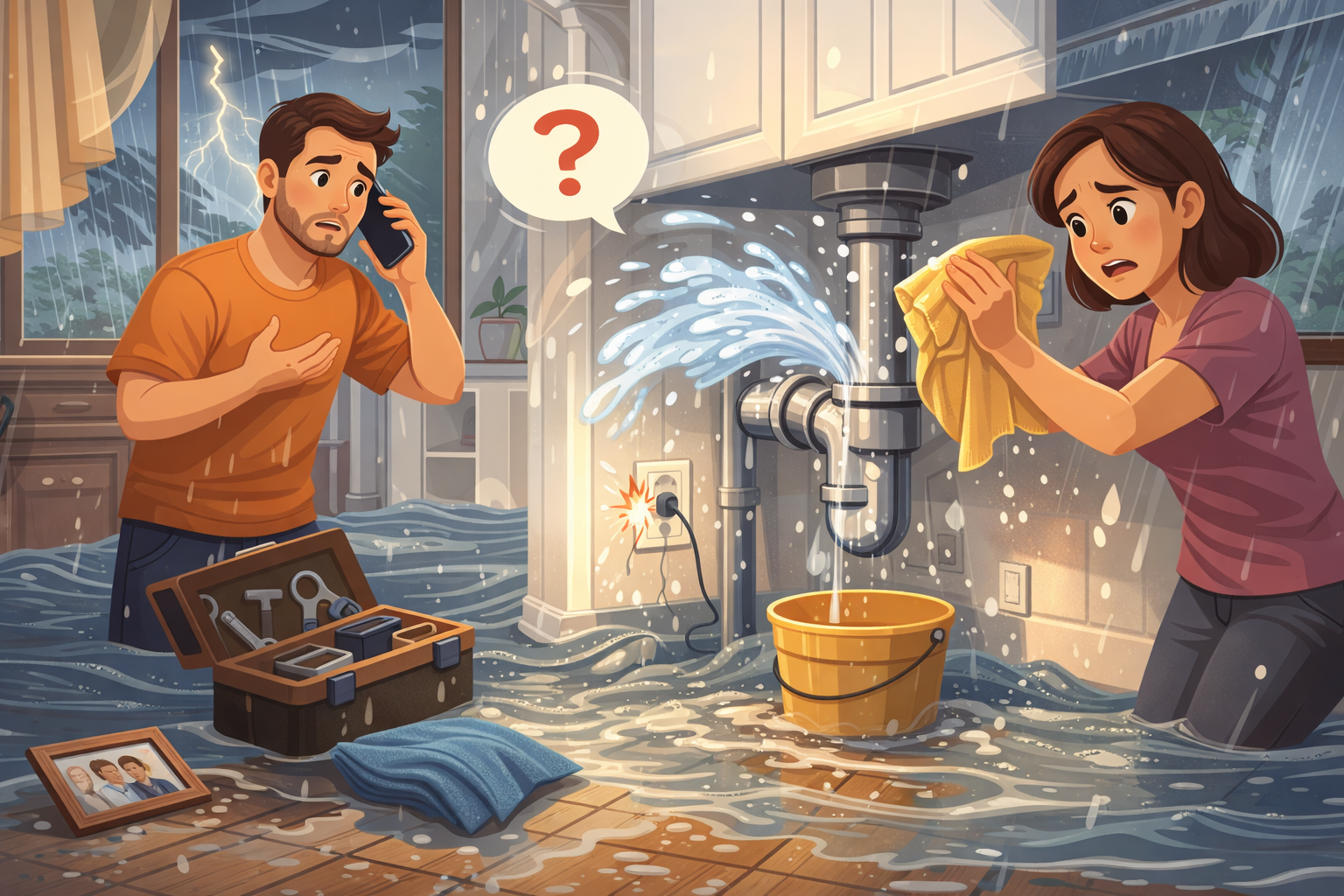
Storm season in Miami and South Florida brings heavy rain, flooding risks, and sudden pressure changes that can seriously impact home plumbing systems. One of the most stressful situations homeowners face during severe weather is a burst pipe. When pipes rupture, water damage can happen fast — sometimes within minutes — leading to structural damage, mold growth, and expensive repairs.
Knowing exactly what to do when pipes burst can save thousands of dollars and protect your home from long-term damage.
This guide explains why pipes burst during storms, what to do immediately, how to minimize damage, and how to prevent future pipe failures.
Why Pipes Burst During Storm Season in South Florida
Storm conditions create several risks for residential plumbing systems.
Pressure Changes Inside Pipes
Heavy rainfall and municipal water system pressure fluctuations can create sudden internal stress on pipes. Older pipes or weakened joints are especially vulnerable.
Soil Shifting and Ground Movement
Flooding and saturated soil can shift underground plumbing lines. This movement can crack pipes or loosen connections.
Tree Root Intrusion
During storm season, tree roots aggressively search for water sources. Roots can penetrate small pipe cracks and expand quickly.
Aging Infrastructure
Many South Florida homes have older plumbing systems that are already weakened by humidity, salt air, and corrosion.
Immediate Steps to Take When a Pipe Bursts
Acting fast is critical. The first 30–60 minutes can determine how much damage occurs.
Step 1: Shut Off Your Main Water Supply
Locate your home’s main water shut-off valve and turn it off immediately. This stops additional water from flowing into the broken pipe.
If you do not know where your shut-off valve is, now is a good time to locate it before an emergency happens.
Step 2: Turn Off Electricity in Affected Areas
If water is near outlets, appliances, or breaker panels, turn off power in that area. Water and electricity together create serious safety risks.
Step 3: Drain Remaining Water from Faucets
After shutting off the main valve:
- Turn on cold water faucets
- Flush toilets
- Drain water lines
This relieves pressure and removes remaining water from pipes.
Step 4: Document the Damage
Take photos and videos of:
- Flooded areas
- Damaged walls or floors
- Broken pipe areas
- Water pooling
This helps with insurance claims and repair documentation.
Step 5: Contact a Professional Plumber Immediately
Burst pipes rarely stay isolated. Even small cracks can worsen quickly.
Schedule A Quick Repair
Call us at (786) 709-0426)
How to Minimize Water Damage Before Help Arrives
While waiting for professional repair, you can reduce damage with these steps.
Remove Standing Water
Use:
- Towels
- Wet vacuums
- Mops
- Buckets
Standing water increases mold risk.
Move Furniture and Valuables
Protect:
- Electronics
- Furniture
- Documents
- Rugs
Water damage spreads quickly through flooring and baseboards.
Improve Airflow
Open windows and use fans to speed drying.
If available, run dehumidifiers to reduce moisture buildup.
Signs Your Pipes May Be Close to Bursting
Storm season often reveals existing plumbing weaknesses.
Warning Signs Include
- Low water pressure
- Rust-colored water
- Pipe banging noises
- Visible pipe corrosion
- Slow leaks around joints
- Mold smell near walls
If you notice these signs before storms arrive, it is wise to arrange preventive inspection.
Long-Term Damage Risks from Burst Pipes
Even after water is removed, hidden damage can remain.
Structural Damage
Water can weaken drywall, flooring, and wood framing.
Mold Growth
Mold can begin forming within 24–48 hours in humid climates.
Electrical System Damage
Water can corrode wiring and create hidden electrical hazards.
Foundation Issues
Long-term leaks can impact foundation stability.
Storm Season Plumbing Prevention Tips
Prevention is always less expensive than emergency repair.
Schedule Pre-Storm Plumbing Inspections
Professional inspections can identify:
- Weak pipe joints
- Corroded sections
- Pressure regulation issues
- Drain blockages
Insulate Exposed Pipes
Even in warm climates, temperature changes during storms can impact pipe integrity.
Install Pressure Regulators
Pressure spikes during storms can stress plumbing systems.
Clear Outdoor Drainage Areas
Ensure water flows away from your home’s foundation.
Replace Aging Pipes
Older metal pipes are more vulnerable to corrosion and storm damage.
When Burst Pipes Become Plumbing Emergencies
Some pipe breaks require immediate emergency service.
Call Immediately If You See
- Rapid flooding
- Water entering electrical areas
- Ceiling water leaks
- Sewer smell
- Multiple pipe failures
Schedule A Quick Repair
Call us at (786) 709-0426)
Insurance and Burst Pipe Coverage
Many homeowner policies cover sudden pipe bursts but not slow leaks.
What Insurance Typically Covers
- Sudden pipe ruptures
- Water damage from storm-related pipe failures
- Emergency water extraction
What Insurance May Not Cover
- Long-term neglected leaks
- Maintenance-related pipe failure
- Mold from untreated water damage
Always verify coverage with your provider.
Why Storm Season Makes Plumbing Repairs More Urgent
During storms, small plumbing problems become large emergencies quickly because:
- Ground saturation increases pressure
- Drain systems overload
- Infrastructure stress increases
- Emergency repair demand rises
Scheduling repairs early helps avoid service delays during peak storm periods.
How Professional Plumbers Repair Burst Pipes
Repair depends on pipe material and damage severity.
Common Repair Methods
- Pipe section replacement
- Pipe relining
- Joint resealing
- Full pipe rerouting (in severe cases)
Most repairs can be completed quickly when caught early.
Final Thoughts
Burst pipes during storm season are stressful but manageable when you act quickly and follow the right steps. Shutting off water, protecting your home, and contacting professionals immediately can prevent catastrophic damage.
Storm season is unpredictable, but preparation and fast action dramatically reduce risk. If your home has older pipes, prior leaks, or corrosion signs, preventive inspections are strongly recommended.
Being proactive with plumbing care ensures your home stays protected through even the toughest South Florida weather.