Your home’s plumbing system is one of the most critical components of daily life, yet it often goes unnoticed until a problem becomes serious. From leaky pipes to low water pressure, small plumbing issues can escalate into costly repairs if ignored. Knowing the early signs that your plumbing needs an upgrade can save you time, money, and stress.
In this guide, we’ll explore the key indicators that your system may be outdated, what causes these problems, and why a professional evaluation can prevent major damage.
Common Indicators of an Aging Plumbing System
Many homeowners are unaware of the warning signs that their plumbing may need attention. By understanding these indicators, you can take action before minor issues become emergencies.
Persistent Leaks and Water Damage
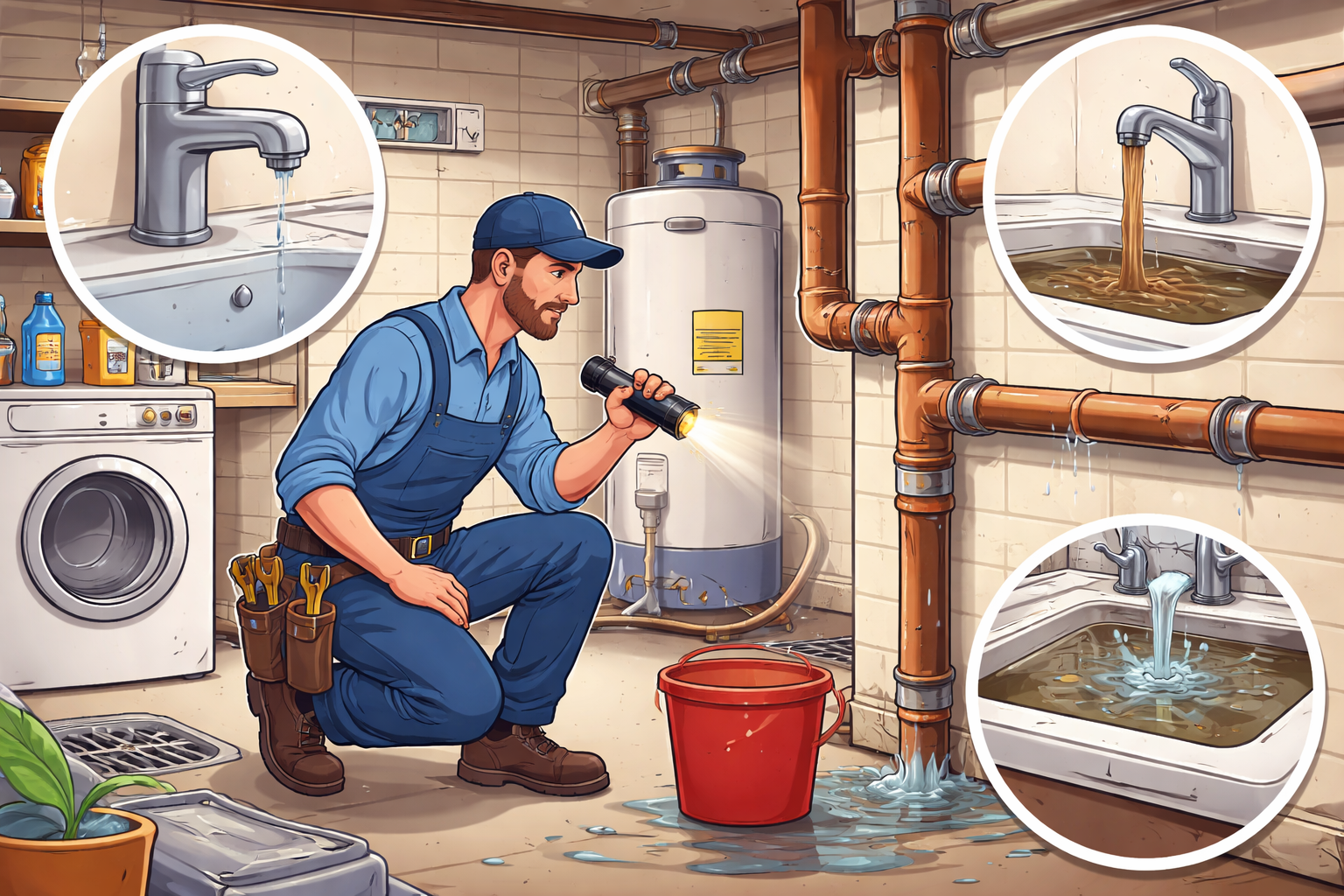
Dripping faucets, slow leaks under sinks, or puddles around your home can all signal that your plumbing system is deteriorating. Over time, even minor leaks can cause mold growth, structural damage, and increased water bills. Regular inspections help detect these early signs and prevent extensive damage.
For professional support, plumbing services can evaluate and repair your system efficiently.
Low Water Pressure
If your showers feel weak or it takes longer than usual to fill your bathtub, your home may be experiencing water pressure issues. Clogged pipes, corroded plumbing, or outdated fixtures often cause these problems. Addressing low water pressure early can improve your home’s comfort and prevent further damage.
Discolored or Foul-Smelling Water
Rust-colored water or an unpleasant odor can indicate pipe corrosion or bacterial growth in your water lines. Aging plumbing systems, particularly those with galvanized steel pipes, are more prone to these issues. Ensuring your water is clean and safe may require a system upgrade or pipe replacement.
Frequent Clogs and Slow Drains
Drains that back up regularly, sinks that take forever to empty, or toilets that clog often can be signs of pipe deterioration or inadequate plumbing design. While DIY fixes may offer temporary relief, professional evaluation ensures that underlying problems are fully resolved.
Outdated Plumbing Materials
Older homes often have plumbing made from materials that no longer meet current safety standards. Lead pipes, polybutylene lines, and galvanized steel pipes are common culprits in homes over 40 years old. Upgrading to modern materials like PEX or copper can improve water quality and reduce the risk of leaks and bursts.
Why Upgrading Your Plumbing System Matters
A modern plumbing system does more than just deliver water—it improves efficiency, safety, and property value. Here’s why upgrading is worthwhile.
Energy and Water Efficiency
Older plumbing fixtures often waste water and energy, driving up utility bills. Newer systems, including low-flow toilets and energy-efficient water heaters, not only save money but also reduce your environmental footprint.
Safety and Health
Corroded pipes and contaminated water lines pose health risks to your family. An upgraded system ensures clean water delivery and reduces exposure to harmful substances like lead or bacteria.
Preventing Costly Emergencies
Emergency plumbing repairs are expensive and stressful. By proactively upgrading your system, you can avoid major leaks, burst pipes, and water damage that may require costly home renovations.
When to Call a Professional
Not every plumbing problem requires a full system replacement, but knowing when to seek expert help is crucial.
Regular Inspections
Scheduling routine inspections can catch minor issues before they escalate. Licensed professionals can identify hidden leaks, worn-out pipes, or faulty fixtures that are not visible to the untrained eye.
Major Renovations or Remodeling
If you’re renovating your kitchen, bathroom, or adding a new room, an upgraded plumbing system may be necessary to meet increased demand. Professional consultation ensures your plumbing is properly sized and installed for long-term reliability.
Frequent Repair Needs
If you find yourself calling a plumber multiple times a year for recurring issues, it may be more cost-effective to invest in a system upgrade. Learn more about common plumbing questions homeowners often ask to better understand maintenance and upgrade needs.
Steps to Upgrade Your Plumbing System
Upgrading your plumbing doesn’t have to be overwhelming. Here’s a practical approach.
Step 1: Assess Your Current System
Start by evaluating the age, materials, and condition of your pipes, fixtures, and water heater. Look for leaks, corrosion, or any signs of wear.
Step 2: Identify Priority Areas
Focus on the parts of your system that present the highest risk, such as older galvanized pipes, frequently leaking faucets, or inefficient water heaters.
Step 3: Hire Experienced Professionals
Partner with a trusted plumbing service for accurate diagnostics, planning, and installation. Professionals can recommend modern materials, energy-efficient fixtures, and solutions tailored to your home’s needs.
Step 4: Maintain Your Upgraded System
Once your plumbing is upgraded, schedule regular maintenance to extend its lifespan. Regular inspections, timely repairs, and proper use of your fixtures help prevent future problems.
Professional plumbing done right, the first time.
Conclusion
Recognizing the signs that your plumbing system needs an upgrade is essential for a safe, efficient, and comfortable home. From leaks and low water pressure to outdated pipes, acting early can prevent costly repairs and protect your investment. Whether you need routine maintenance, a full system overhaul, or expert guidance, professional plumbing services ensure your home’s water system operates smoothly for years to come.